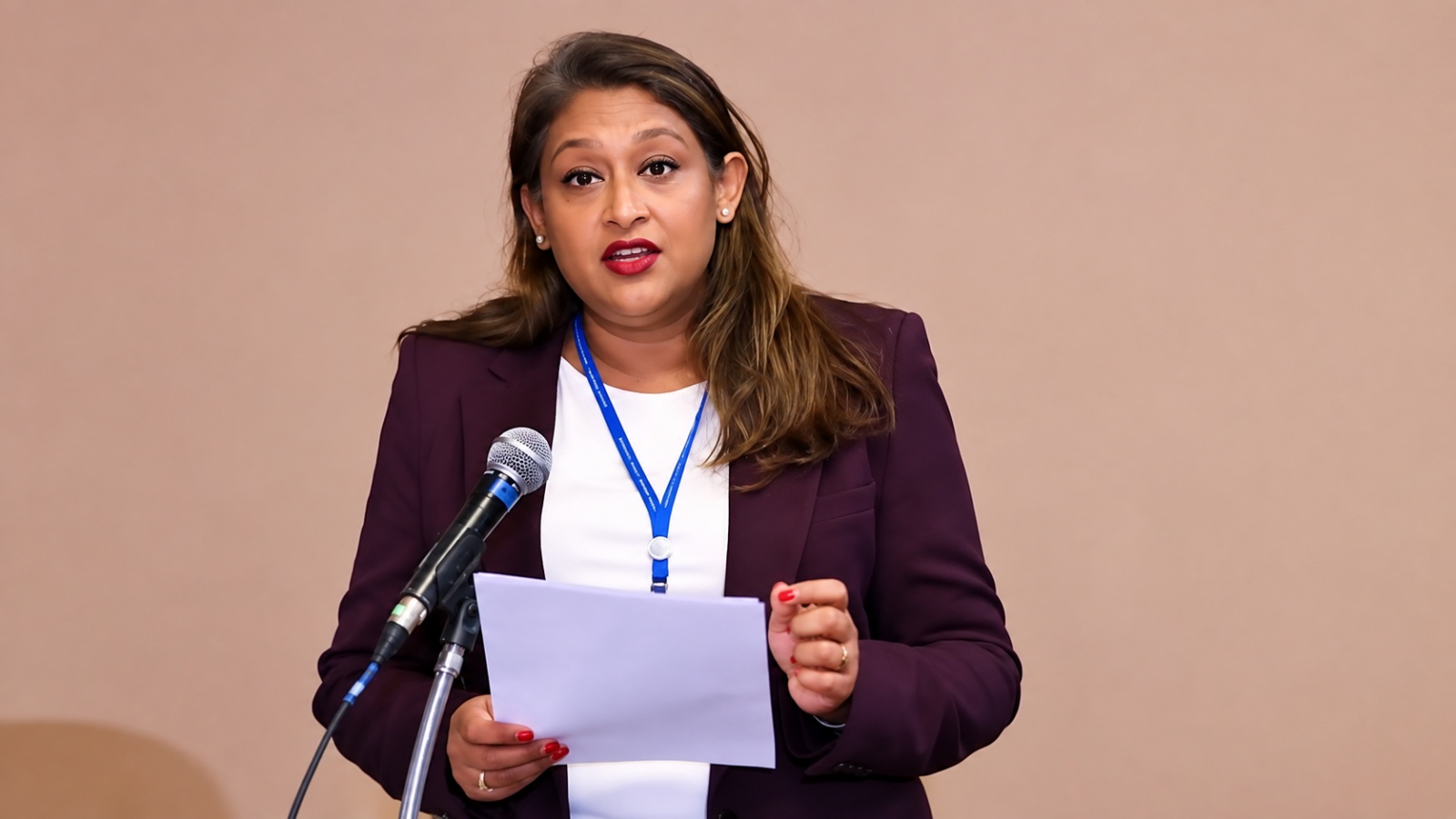
Saima Wazed has stepped down as the World Health Organization Southeast Asia regional director, bringing a bitter and chaotic close to a tenure that was originally scheduled to run through 2029. Her resignation letter, submitted to Director-General Tedros Adhanom Ghebreyesus, cites an untenable financial squeeze after nearly a year of unpaid administrative leave, coupled with a total collapse of trust in the UN health agency’s top leadership. Yet, this departure is merely the terminal velocity of a much larger political crash. As the daughter of ousted Bangladeshi Prime Minister Sheikh Hasina, Wazed’s professional standing imploded beneath the weight of criminal investigations, allegations of credential misrepresentation, and a shifting geopolitical landscape across South Asia.
The machinery of international diplomacy moves slowly until it crushes someone. For months, the UN agency maintained an uneasy silence while Wazed sat sidelined on indefinite, uncompensated leave. Behind closed doors, however, institutional survival took precedence over institutional loyalty. Two sources familiar with the internal operations revealed that the WHO was actively preparing to formally strip her of the office before her resignation letter hit the desk. Nominations for a fresh election were already being lined up for late autumn, leaving Wazed with a stark choice between a humiliating public expulsion or an exit wrapped in the language of personal grievance.
The Anatomy of the Charges
The accusations targeting Wazed span multiple jurisdictions and administrative domains, creating a tangled web that neither legal defense teams nor UN bureaucrats could easily untangle. In March 2025, Bangladesh’s Anti-Corruption Commission—operating under the interim administration that replaced Hasina—filed formal charges alleging fraud, forgery, and abuse of power. These domestic charges soon bled into the international sphere, prompting the WHO to initiate its own internal reviews.
According to legal correspondence exchanged between Wazed's representatives and the UN health body, the allegations focused on three distinct vectors:
- Travel Claims: Investigators scrutinized a reimbursement claim amounting to $901 for a trip to China. Wazed’s camp maintained this was a minor administrative oversight committed by an assistant managing routine expense filings, rather than intentional financial fraud.
- Academic Credentials: Questions were raised regarding the precise nature of her academic record submitted during her candidacy. Wazed countered that her doctoral recognition was honorary, earned through decades of advocacy for autism awareness, and that she had been transparent with the Director-General about the distinction from the outset.
- Land Acquisition: The UN agency and domestic investigators examined property ownership rights in Bangladesh. Wazed insisted that the plot was acquired legally before her appointment to the WHO, under statutory provisions protecting the families of Bangladesh's founding leader, Sheikh Mujibur Rahman.
These friction points would have been manageable under normal circumstances. But Wazed’s lineage transformed every bureaucratic dispute into an international flashpoint.
The Geopolitical Shockwave
When Wazed secured the regional director seat in early 2024, her victory was viewed as a textbook demonstration of dynastic influence. Representing a massive regional block overseeing health policies for over two billion people across eleven nations, the position carries immense diplomatic weight. Her mother was firmly in power in Dhaka, paving a relatively smooth diplomatic path through regional capitals like New Delhi.
Then the government in Dhaka fractured violently. Following the mass uprising that forced Sheikh Hasina into self-imposed exile, the political architecture supporting her family evaporated overnight. The interim government led by Muhammad Yunus immediately began unpicking the previous administration's appointments and institutional footprints.
Wazed found herself isolated. In her communications, she accused the WHO leadership of capitulating to political pressure from Dhaka, alleging that the agency bypassed standard diplomatic protocols by dealing directly with the Anti-Corruption Commission. She claimed that her repeated requests for an independent investigation into due process violations were stonewalled by Tedros Adhanom Ghebreyesus as a retaliatory measure.
From the perspective of Geneva, however, keeping an active regional director under criminal indictment from her home state represented an untenable reputational risk. The UN cannot easily preach global governance and transparency while its senior leadership battles allegations of document forgery and financial misconduct among its regional satraps.
The Financial and Institutional Toll
The human cost of bureaucratic purgatory is rarely discussed in official press releases. For nearly twelve months, Wazed existed in administrative limbo—stripped of her duties, barred from office, and cut off from her salary. In her final statement, she noted that this prolonged financial starvation made her position impossible to maintain, forcing her hand to walk away.
This standoff exposes a structural vulnerability within United Nations agencies. When high-ranking officials face domestic political purges, existing employment frameworks struggle to balance the presumption of innocence against the immediate need for organizational continuity. Placing an official on unpaid leave for a year without reaching a formal disciplinary verdict or a transparent resolution creates a gray zone prone to accusations of bias, cowardice, and backroom maneuvering.
The fallout extends far beyond one individual's career. The Southeast Asia regional office now faces an abrupt leadership vacuum during an era marked by shifting post-pandemic health priorities, antimicrobial resistance challenges, and cross-border disease surveillance needs. Preparing for a fresh election cycle while managing the debris of a collapsed political dynasty requires delicate handling from Geneva.
The abrupt end of Saima Wazed's tenure serves as a stark reminder that international public health and local political power remain inextricably bound. When the foundation of a domestic regime collapses, the shockwaves inevitably shatter the glass towers of international bureaucracy, leaving behind a trail of unvetted allegations, broken trust, and administrative wreckage.