The United States naval quarantine of Iranian ports has fundamentally reshaped Persian Gulf geopolitics, transforming a simmering economic war into an active maritime choke point. At its core, the operation spearheaded by United States Central Command is designed to completely sever commercial shipping arteries linked to the Iranian mainland, starving Tehran of critical energy export revenues. Yet, looking past the surface-level reports of intercepted tankers reveals a much more fragile strategic reality. This is not merely a story of superpower enforcement. It is an escalating theater of dual choke points where global energy supply lines hang by a thread.
The Anatomy of a Dual Blockade
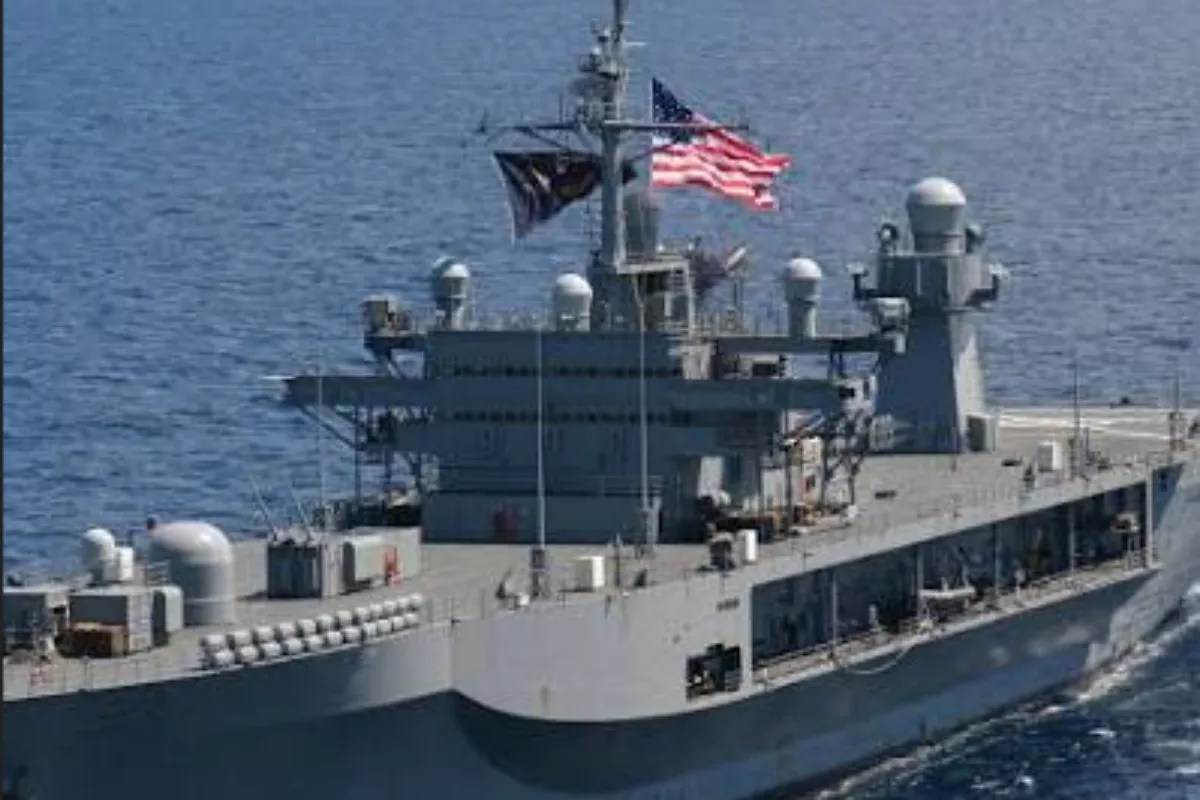
To understand why the current American maritime posture differs from past sanctions regimes, one must examine the geography of the Strait of Hormuz and its adjacent coastal waters. Since military exchanges commenced, the region has experienced an unprecedented standoff. On one side, the Iranian Revolutionary Guard Corps Navy has routinely attempted to restrict commercial traffic through narrow transit corridors. On the other, the United States Navy has enforced a strict cordon around every major Iranian port facility.
The mechanics of this enforcement require immense naval architecture and precision. Surface action groups, supported by long-range maritime patrol aircraft, hail incoming and outgoing cargo vessels, compelling non-compliant ships to alter course or face direct interdiction. This creates a high-pressure zone where a single miscalculation by a commercial master or a regional commander could ignite a wider regional conflagration.
[Iranian Coastal Ports] <---> [US Naval Quarantine Line] <---> [Strait of Hormuz Choke Point]
Economic Warfare and the Cost of Attrition
Washington maintains that squeezing Tehran's maritime commerce severely diminishes its fiscal capacity to fund proxy networks. Defense department estimates indicate billions of dollars in lost oil revenues as laden tankers cluster idly in domestic anchorages, unable to reach lucrative international buyers.
However, maritime intelligence tracking reveals the limits of total naval enforcement. Shippers and operators adept at evading international oversight frequently utilize dark activity, ship-to-ship transfers in open ocean zones, and flag manipulation to keep restricted commodities moving.
- Revenue Deficits: Tehran faces historic shortfalls as primary export terminals remain ringed by coalition warships.
- Logstitial Adaptations: Illicit networks rely on smaller, harder-to-track craft to skirt primary interception corridors.
- Insurance Penalties: Underwriters have spiked risk premiums across the broader Middle Eastern theater, driving up global shipping overhead.
The Fragility of Regional Energy Transit
The broader casualty of this ongoing maritime strategy is predictable stability. Roughly a quarter of the world's seaborne petroleum trade historically relies on unhindered passage through these waters. When naval forces clamp down on ports while regional threats target commercial hulls, global supply chains absorb immediate shocks.
Consider a hypothetical cargo movement: a container vessel carrying industrial components destined for an Iranian importer finds itself intercepted hundreds of miles away from its destination, forced to turn back under the guns of a guided-missile destroyer. Multiply this intervention across dozens of commercial operators, and the cumulative chilling effect on international trade becomes self-evident. Global markets are left to price in an enduring risk premium that shows no sign of abating as long as the naval cordon remains active.
Operational Realities Beyond the Headlines
Military planners face an exhausting rhythm of constant surveillance, escort duties, and rapid boarding protocols. Surface vessels must maintain high operational readiness in punishing climatic conditions while guarding against asymmetrical threats like fast-attack craft and airborne drones. The sheer physical scope of patrolling the entire Iranian coastline stretches naval assets thin, demanding seamless coordination between carrier strike groups and land-based air wings.
Diplomatic off-ramps remain elusive as both sides double down on coercive leverage. Tehran continues to test the resolve of coalition patrols, while Washington insists that full compliance with international maritime norms is non-negotiable. As long as these two irreconcilable positions dictate naval strategy in the Gulf, commercial mariners will remain caught in the crossfire of an unyielding geopolitical storm.