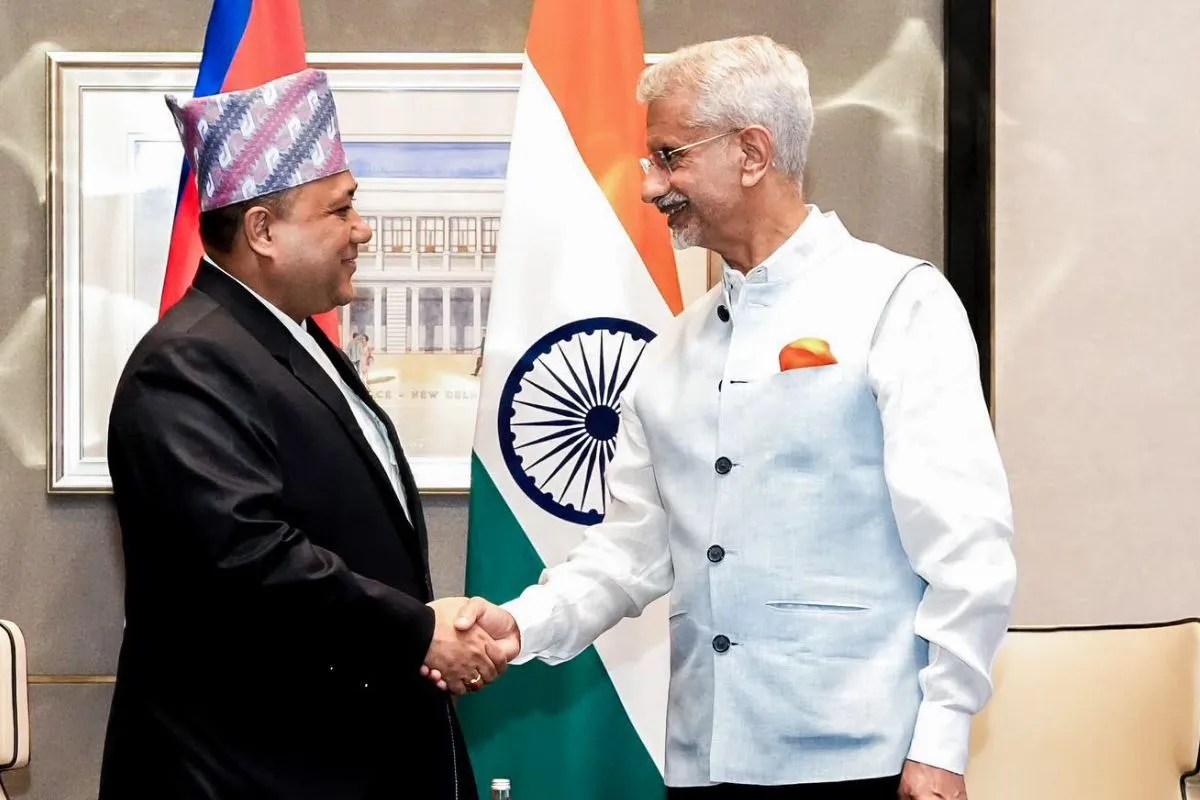
When catastrophic flash floods tore through the Bhotekoshi and Trishuli river basins, leaving a staggering death toll climbing past 1,200 people, the immediate emergency response was swift. Cargo planes arrived in Kathmandu loaded with medical supplies, temporary shelters, and rescue equipment. Yet, beneath the humanitarian tragedy lies a high-stakes diplomatic firestorm. Comments from Foreign Minister Shisir Khanal sparked intense regional speculation that Nepal was officially demanding financial climate compensation from major industrial neighbors like India and China, forcing a hurried administrative retreat and exposing the raw, compounding pressures of global climate realpolitik.
The narrative exploded across regional media outlets after Khanal pointed toward the structural inequities of global heating. Pointing out that Nepal contributes a negligible fraction of global greenhouse gas emissions while bearing the brunt of glacial melting and flash floods, the initial reporting framed his words as a direct bill sent to Beijing, Washington, and New Delhi. Within forty-eight hours, the Ministry of Foreign Affairs walked back the strict compensation framing regarding immediate neighbors. Khanal clarified that his administration had not billed India or any specific neighboring state. Instead, the target is the broader international community and mechanisms like the Loss and Damage Fund.
This linguistic pivot reveals a deeper geopolitical tightrope.
The Fragile Anatomy of Himalayan Vulnerability
To understand why this friction occurred, one must look at the brutal geography of the Third Pole. The Himalayas are warming at rates significantly higher than the global average. Glacial lakes swell behind unstable moraine dams, while erratic monsoon cloudbursts trigger sudden rock and ice collapses. When these natural barriers fail, entire valleys are scoured clean in minutes.
Nepal's economy cannot absorb multi-billion-dollar reconstruction bills every few seasons through domestic taxation or standard borrowing. Relying purely on post-disaster charity leaves vulnerable nations trapped in an endless cycle of debt and rebuilding.
- The Equity Gap: Developing mountainous nations demand that historical emitters shoulder financial responsibility for loss and damage.
- The Sovereign Reality: Shared river systems and integrated regional trade mean that friction with immediate neighbors over liabilities can complicate vital cooperative lifelines.
When a crisis of this magnitude strikes, the distinction between moral blame and diplomatic pragmatism blurs.
Decoding the Backtrack
Why did the compensation narrative unravel so quickly?
Geographic proximity dictates interdependence. India was among the very first responders, dispatching multiple aircraft laden with generators, dewatering pumps, and rescue personnel. For Kathmandu, maintaining functional, cooperative state-to-state relations with New Delhi and Beijing is a matter of day-to-day survival. Issuing formal liability demands against immediate partners who are also supplying emergency food and medicine creates untenable diplomatic friction.
By recalibrating the message, the foreign ministry redirected its demands toward the global architecture of climate justice. The argument is no longer about extracting funds from an assisting neighbor, but about forcing wealthy industrialized polluters worldwide to honor the promises made at successive United Nations climate summits.
The disaster in the high mountains has laid bare the inadequacy of current global safety nets. Small mountain nations are caught between an indifferent industrial world and a fragile domestic ecosystem that is rapidly unraveling. The temporary confusion over who is billing whom matters far less than the terrifying certainty that the next flood is already forming higher up the slopes.


