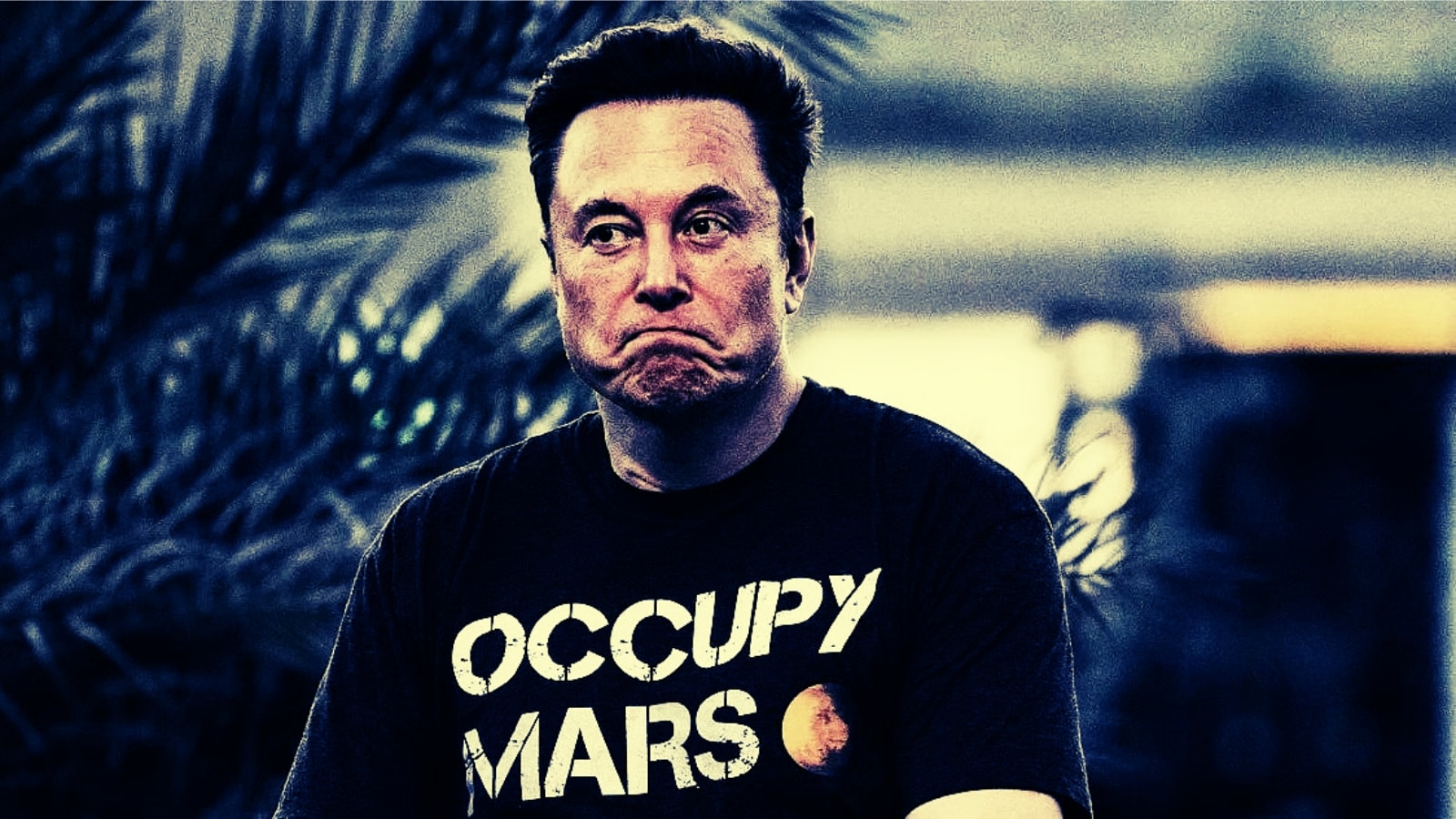
The dust has finally settled on the civil dockets, but the shockwaves of Elon Musk's 2024 presidential election financial blitz remain wide open for dissection. When the world's most visible billionaire established a daily seven-figure financial lottery targeting registered voters in critical swing states, legal scholars immediately recognized a high-stakes collision between unchecked political spending and ancient prohibitions against vote tampering. Weeks ago, the closure of class-action fraud lawsuits brought an abrupt procedural halt to active litigation, sparing Musk from a grueling federal deposition. Yet the underlying mechanics of that stunt reveal an unsettling blueprint for how modern technology, unchecked capital, and loose campaign regulations can stretch democratic norms to their absolute breaking point.
To understand why those lawsuits mattered beyond political theater, look closely at the architecture of the America PAC sweepstakes. Promoted as a random daily windfall of one million dollars for anyone willing to sign a petition backing free speech and constitutional rights, the campaign functioned as an aggressive data-harvesting machine. Millions of citizens across Pennsylvania, Wisconsin, Michigan, and other decisive battlegrounds handed over sensitive personal information under the impression that they were entering a game of chance.
Then came the pivot that tripped alarm bells in legal offices nationwide. Faced with emergency injunction requests and criminal scrutiny from local prosecutors, defense attorneys admitted in a Philadelphia courtroom that the recipients were not actually chosen by random chance at all. Instead, they were carefully pre-selected spokespeople bound by contract to promote the political organization.
That admission transformed a quirky political stunt into a textbook bait-and-switch. For everyday voters, the promise of a lottery draw implied an equal shot at a life-changing sum. For the political operation, it was a mechanism to acquire high-value contact lists while masking paid political endorsements as civic good fortune. The civil lawsuits filed by disgruntled participants argued that this discrepancy crossed the line from aggressive marketing into outright consumer fraud.
Settling out of court allowed both sides to sidestep a definitive judicial ruling on whether pre-selected political spokespeople can be marketed through the framework of a lottery. That legal ambiguity is precisely why this episode deserves closer scrutiny. By extinguishing the civil discovery process, the settlement prevents the public from seeing internal communications that might have exposed the exact calculations behind the daily payouts.
We are left watching a dangerous precedent take root. When massive financial resources are deployed to turn electoral participation into a gamified spectacle, the boundaries separating political expression from commercial manipulation blur entirely. Musk walked away from these specific dockets without an admission of liability, maintaining the defense that the initiative was standard grassroots organizing.
Yet the questions raised by election law experts persist. If a billionaire can dangle life-altering sums under the banner of a lottery while quietly vetting recipients for ideological loyalty, the baseline integrity of public petitions is compromised. The lawsuits are closed, but the mechanisms that spawned them are waiting for the next election cycle.