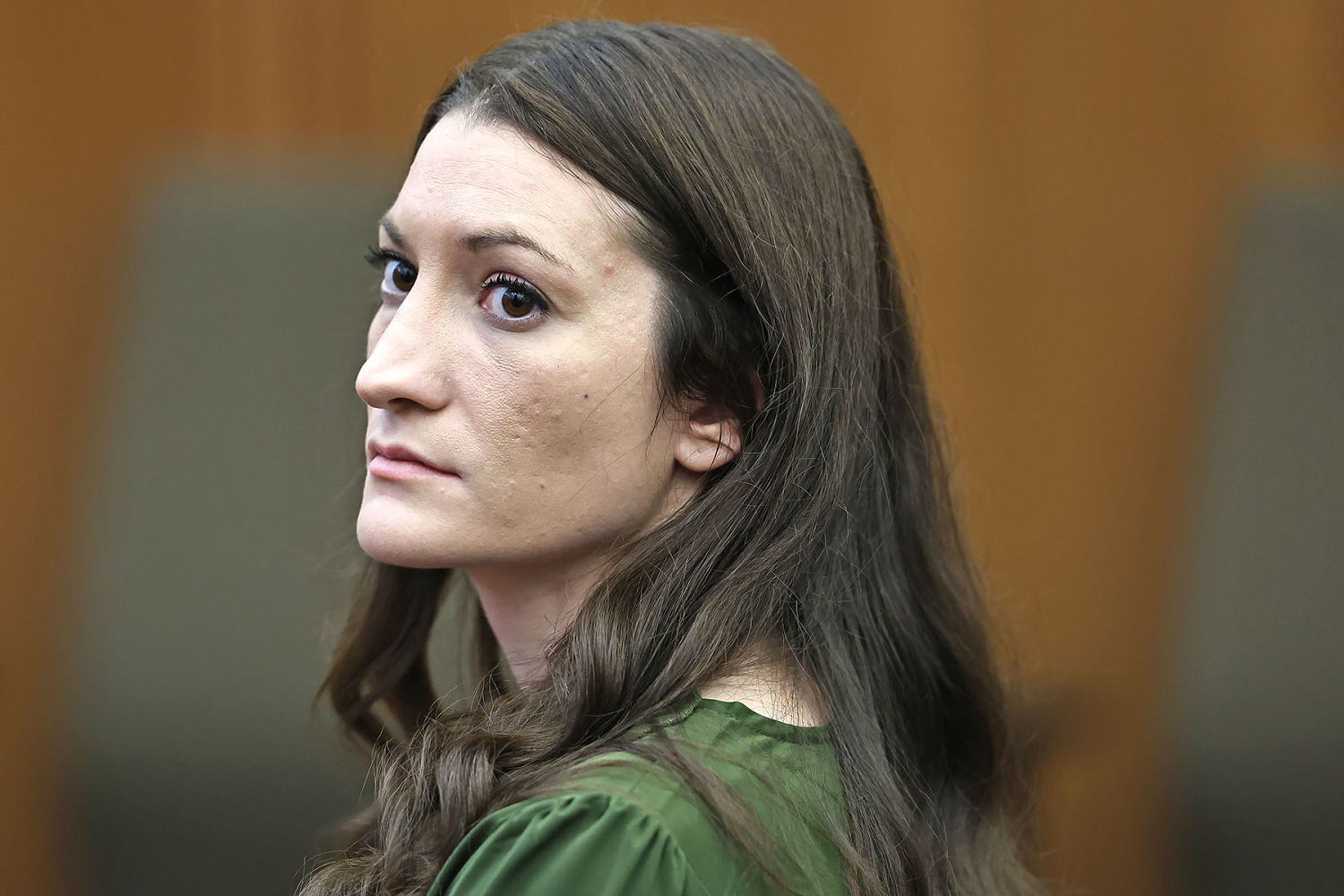
The jury in Plymouth Superior Court returned to deliberate the fate of Lindsay Clancy, a Massachusetts mother charged with the 2023 strangulation deaths of her three young children. As the panel of nine women and three men picks through hundreds of exhibits—including the bloody knife from her subsequent suicide attempt and empty prescription pill bottles—defense attorney Kevin Reddington has openly admitted to the press that his client is nervous and scared. Yet fixating solely on the agonizing courtroom wait misses the structural collapse that put Clancy in the dock in the first place.
For five weeks, jurors listened to testimony from more than 80 witnesses. They heard conflicting accounts from medical professionals who weaponized psychiatric terminology against each other. The prosecution argues that Clancy acted with chilling calculation. They paint a picture of a woman who grew tired of depression, sent her husband out for takeout and pediatric medicine, and deliberately eliminated her children as the "protective factor" keeping her from ending her own life. In the state's view, it was a sequence of deliberate, rational choices executed by a person fully aware of her actions.
The defense counters with a starkly different reality. They describe a catastrophic descent into postpartum psychosis, a rare psychiatric emergency marked by severe delusions, auditory hallucinations, and a total fracture from reality. Reddington argued that Clancy was overmedicated and misdiagnosed by a fragmented mental health apparatus that failed to catch her freefall. Less than three weeks before she strangled 5-year-old Cora, 3-year-old Dawson, and 8-month-old Callan, Clancy had been discharged from a psychiatric hospital.
This case transcends the binary of guilt or innocence. It exposes the profound inadequacy of how modern medicine handles severe reproductive psychiatric crises. Postpartum psychosis is not garden-variety postpartum depression. It is an acute medical emergency akin to a heart attack or stroke of the brain, characterized by rapid cognitive deterioration. When the system treats profound psychosis with a revolving door of trial-and-error pharmacology—prescribing and changing powerful psychiatric drugs within weeks without adequate inpatient monitoring—catastrophe becomes a waiting game.
The jury faces a grueling set of options on the verdict slip. They can choose first-degree murder, second-degree murder, manslaughter, or an acquittal by reason of lack of criminal responsibility. A murder conviction carries life without parole. A finding of not criminally responsible sends Clancy not to freedom, but to a secure state psychiatric hospital.
As the hours of deliberation stretch forward, the anxiety outside the courtroom reflects a deeper societal unease. The medical establishment failed to protect these children, and it failed their mother. Whatever legal label the jury ultimately assigns to that tragic January day, the underlying institutional failure remains unaddressed.