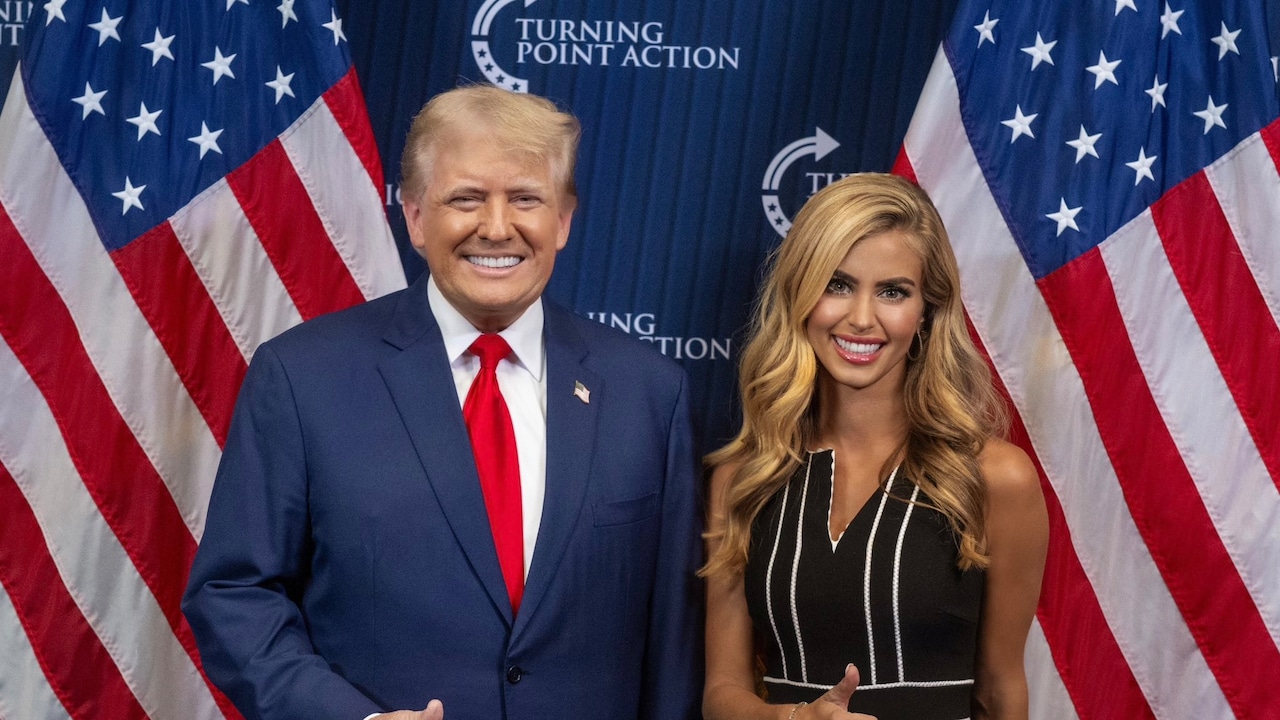
Five days. That was the entire lifespan of Katie Zacharia’s tenure as White House press secretary, making her the shortest-serving occupant of the role in American history. When Sean Spicer, Donald Trump’s first press secretary, weighed in on the fallout by urging the president to focus on skills rather than looks, he touched a nerve that runs far deeper than television casting. The real failure behind the Katie Zacharia collapse was not merely aesthetic or stylistic; it was a collision between cable-ready loyalty, unverified credentials, and an informational meat grinder that chews up anyone who steps to the podium without armor.
Most coverage of the October 2026 debacle treated the story like a sitcom. One fifteen-minute briefing. A slip of the tongue where she called her husband "my president". Questions over whether she had ever passed a bar exam, followed by a quick exit on October 16 and a formal State Bar of California investigation announced in November. It makes for snappy clips and late-night monologues. Yet reducing the episode to a punchline misses how the modern White House press operation actually functions—and why the Katie Zacharia implosion exposed structural rot on both sides of the briefing room.
Why Casting for Television Fails at the Podium
Television rewards poise, posture, and a camera-friendly presence. The James S. Brady Press Briefing Room demands something entirely different.
Standing in front of dozens of aggressive correspondents is not a monologue on a friendly cable panel or a polished social media video. A press secretary has to absorb hostile follow-ups, track multi-agency policy details on the fly, know what the president actually said ten minutes earlier, and avoid creating legal or factual traps for the entire executive branch. Looks can get someone noticed in a green room. They cannot keep someone upright when thirty reporters are trying to corner them on foreign policy, executive actions, or internal White House turmoil.
Spicer’s critique carries weight precisely because he lived inside the pressure cooker at the beginning of Trump’s first term. Even with institutional experience, Trump’s press secretaries have operated under a unique constraint: the president routinely acts as his own chief communicator, undercutting or superseding his spokespeople in real time. When a president speaks directly from the hip on social media or the South Lawn, a press secretary who lacks deep command of policy and process quickly becomes redundant—or worse, exposed.
At the same time, blaming appearance alone oversimplifies the hiring calculus. Trump has consistently prized personal loyalty, ideological alignment, and familiarity over traditional bureaucratic pedigree. Zacharia had worked as a communications adviser for Trump’s media company starting in June 2026 and had a brief stint at the Department of Homeland Security earlier that year. From a campaign and media-company perspective, hiring someone who speaks the movement’s language and praises the boss effortlessly makes sense. Inside the West Wing, however, loyalty without institutional fluency is a brittle foundation.
The Credential Trap Behind the Katie Zacharia Row
The sharpest shockwave of the Katie Zacharia controversy did not come from her stiff delivery at the podium. It came from scrutiny of her legal background.
Zacharia earned a Juris Doctor from Pepperdine University in 2011. In everyday conversation, people sometimes loosely call anyone with a law degree a "lawyer" or "attorney." In public office—and particularly in regulated jurisdictions—that shorthand becomes dangerous fast. Watchdog group Campaign for Accountability filed a complaint with the State Bar of California in October 2026 alleging she had improperly presented herself as a lawyer despite lacking an active license to practice law in California or any other U.S. state, prompting the bar to open an investigation that became public in November. Zacharia and her representatives have pushed back, arguing that legal advisers told her the description was appropriate given her law degree and characterizing the complaint as politically motivated.
Degrees Versus Licensure in High-Stakes Politics
This distinction trips up plenty of political operatives who move between media, advocacy, and government. Holding a law degree proves you completed law school. Passing a state bar exam and maintaining active admission proves you are licensed to practice law under that jurisdiction’s rules.
When an appointee steps into a high-profile federal role, every line of a bio gets audited by opposition researchers, investigative reporters, and ethics watchdogs. Ambiguous phrasing that slides past on a podcast or panel segment suddenly looks like a liability under White House vetting lights.
In Washington, a sloppy credential line rarely stays a minor biography footnote; once a spokesperson stumbles on camera, every prior claim becomes ammunition.
Consider a hypothetical example to see how quickly a minor slip compounds. Suppose a communications aide earns a master’s degree in public health years ago, never earns clinical licensure, and casually refers to herself as a "health clinician" on TV. Few viewers notice during routine commentary. The moment she takes a national government post and faces tough questions on a crisis, reporters check licensing registries, find no record, and turn a five-minute press briefing into a week-long story about honesty and vetting.
That dynamic explains why Zacharia’s brief exchange with reporters about passing a bar exam "when I moved to China" drew such intense scrutiny. Without clear, verifiable details on the spot, an incomplete answer multiplied doubts rather than settling them.
What Went Wrong in the Briefing Room
Watch the tape of Zacharia’s lone formal briefing on October 13, 2026, and what stands out isn't just nerves—it is a mismatch of expectations.
A traditional press briefing balances two competing duties: advancing the administration’s message and giving the press corps usable, accurate information on government policy. Zacharia leaned heavily into praising the president and his agenda while taking only a handful of questions in a session lasting roughly fourteen to fifteen minutes. Supporters saw a loyal messenger defending a busy executive balancing family life and political travel. Critics, including former press officials and political commentators, saw an unprepared debut that invited ridicule rather than projecting command.
| Factor | Television & Social Media Role | White House Press Podium |
|---|---|---|
| Primary Goal | Persuade viewers, amplify talking points, build brand | Address policy questions, manage news cycle, avoid errors |
| Pacing | Controlled segments, predictable hosts, curated clips | Unscripted rapid-fire follow-ups across dozens of outlets |
| Vetting Pressure | Moderate scrutiny; audience often self-selects | Intense scrutiny from beat reporters and watchdogs |
| Margin for Error | High; mistakes fade with the next broadcast | Low; every phrase shapes headlines and legal exposure |
Here is the uncomfortable gray area that press-room critics often gloss over: the White House press corps is not an objective referee sitting above the fray. Reporters arrive with their own incentives—breaking news, securing viral moments, testing boundaries, and holding power to account. A press secretary who is already shaky will get tested harder, not softer. Yet blaming the press corps alone doesn't solve the operational problem. If a spokesperson cannot handle hostile questioning without getting rattled, the job itself will break them.
Trump’s remarks days later—telling reporters he urged Zacharia to reconsider because the media was being rough on her and suggesting she might be better off with her family—underscored how transactional and volatile the post has become. When a five-day stint ends with the president questioning whether the job is worth it for the appointee, nobody wins.
Practical Lessons for Future West Wing Hires
If the next person chosen to stand at that podium is going to last more than a news cycle, the fix requires concrete changes rather than another round of cable-news casting.
- Vet every title and credential before the announcement. Audit law licenses, prior roles, consulting claims, and public statements ahead of time so basic biographical questions never hijack week one.
- Prioritize policy fluency over camera polish. Pick someone who knows how agencies operate, how numbers are sourced, and where the president’s red lines actually sit.
- Rehearse hostile follow-ups, not just opening remarks. A polished two-minute statement means little if the third question knocks the spokesperson off balance.
- Define the boundary between campaign cheerleader and official briefer. Praise can be part of the job, but evading basic factual or procedural questions erodes credibility fast.
Spicer’s call to prioritize skills over looks hits a real weakness in modern political media, where looking the part too often substitutes for being ready to do the work. The next press secretary won't survive on appearance or loyalty alone—they will survive if they can command the facts when the cameras stay on.
Katie Zacharia out as White House press secretary after 5 days provides a concise visual overview of how rapidly her brief tenure unraveled amid her criticized press briefing and scrutiny over her credentials.


