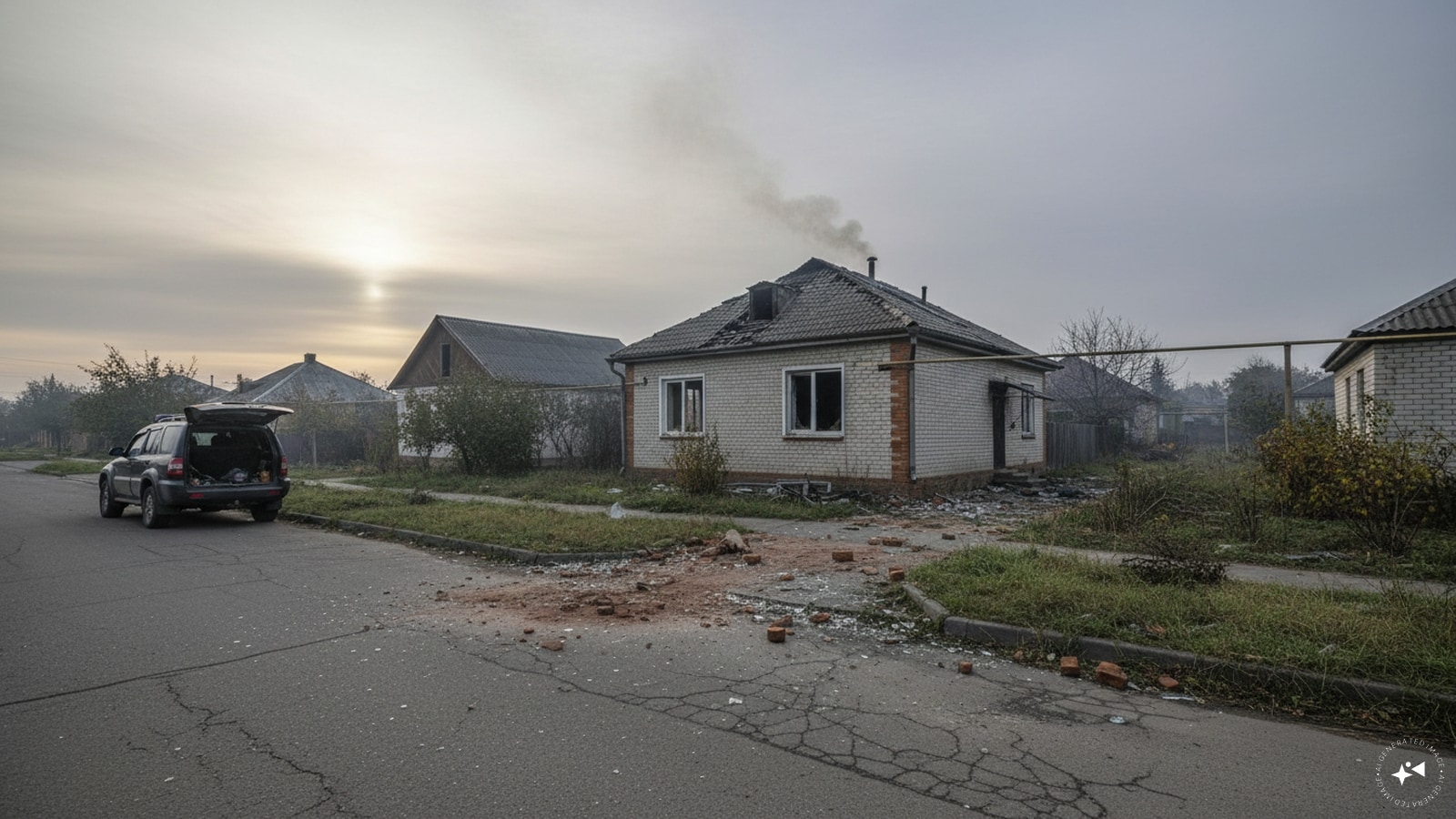
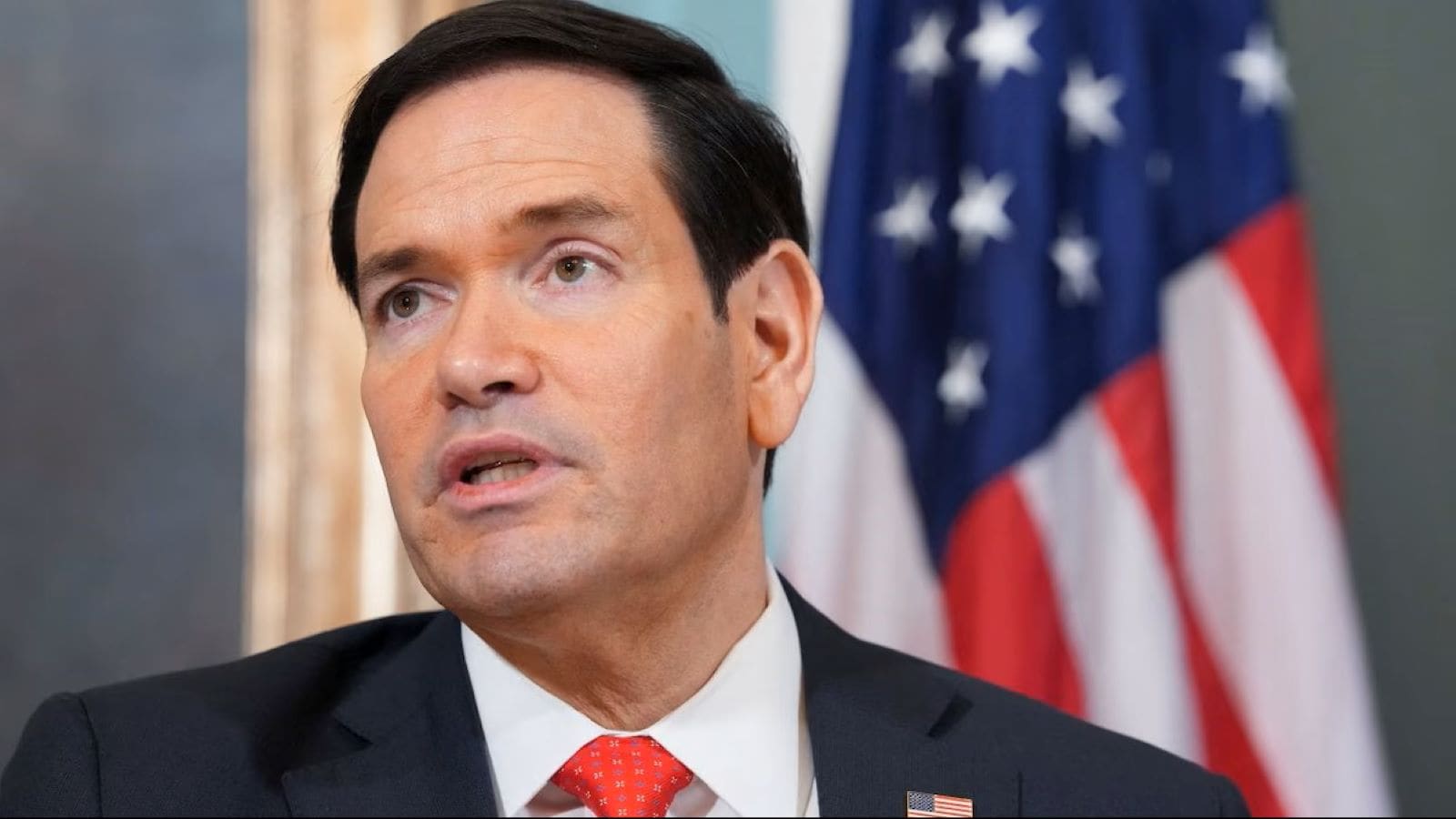
Iranian Foreign Minister Abbas Araghchi warned this month that false assumptions about Iran are driving Washington toward repeated strategic failures in the nearly nine-month conflict that erupted after joint U.S.-Israeli strikes began on February 28, 2026. His warning hits a raw nerve because misreading an adversary's thresholds, domestic resilience, and bargaining limits has turned short-war expectations into a grinding crisis across the Persian Gulf, the Strait of Hormuz, and global energy markets.
When political leaders build military campaigns and diplomatic ultimatums on distorted premises, every escalation carries sharper blowback. In this conflict, both sides have repeatedly acted as if the other would fold under pressure. They haven't.
Why False Assumptions About Iran Keep Driving Escalation
At the core of Araghchi's argument is a complaint familiar to seasoned diplomats: policymakers in Washington and allied capitals tend to treat Tehran's public posture as bluffing, internal fragility, or mere bargaining theater. When U.S. officials or allies assume a rapid collapse, a quick surrender of core demands, or an easy wedge between hardliners and pragmatists, they underestimate how Tehran calculates survival.
War rarely unfolds on a neat spreadsheet. Once missiles fly, tankers burn, and leadership transitions occur amid active combat, political incentives harden. Even officials who know the economic cost of prolonged hostility face intense domestic pressure not to look like they conceded under bombardment.
Assumption errors are rarely harmless mistakes in statecraft. They distort threat assessments, misprice retaliation, and trap leaders in escalatory loops they never planned to sustain.
Consider how two competing narratives clash right now. Critics of Tehran argue that Iran's leadership hides severe economic strain, military degradation, and regional overreach behind defiant rhetoric. Tehran counters that decades of sanctions, covert pressure, and direct strikes have already taught the state how to absorb shocks while imposing asymmetric costs on shipping and regional security. Both claims contain pieces of reality, and ignoring either one produces bad policy.
The Trap of Misreading Domestic Politics and Survival
One of the oldest errors in Middle East policy is assuming that outside pressure automatically fractures a regime in a predictable direction. Sometimes pressure weakens a government. Sometimes it rallies nationalist sentiment around the flag, silences internal critics, or empowers security institutions at the expense of diplomats.
Observers watching Tehran over the past year have seen conflicting signals rather than a single straight line. There have been leadership shifts, succession pressures, economic distress, and sharp debates over nuclear doctrine and war management. Yet assuming imminent collapse has burned decision-makers before. When planners bet on rapid political unraveling instead of negotiating around real constraints, they often end up fighting a longer war than intended.
The reverse error is just as dangerous. Taking every official statement from Tehran at face value—whether claims of complete battlefield dominance or sweeping preconditions for talks—can also mislead. Governments routinely inflate leverage at home to project strength and preserve bargaining room abroad.
A hypothetical example illustrates how this dynamic plays out in crisis diplomacy. Imagine a mediator brings a draft truce to two capitals where both leaders need a victory story. Side A demands public concessions before any ceasefire so it can claim triumph to hardliners; Side B treats public concessions as proof of weakness and adds new conditions. Neither side wants global shipping halted indefinitely, yet both keep raising the price of de-escalation until a minor maritime incident or unverified intelligence rumor resets talks to zero.
Chokepoints, Sanctions, and the Illusion of Easy Leverage
No single miscalculation has rippled further than assumptions about economic chokepoints and sanctions pressure. For years, Washington relied heavily on financial isolation, asset freezes, and diplomatic pressure to force behavioral change without a full-scale war. Once direct military hostilities began in late February 2026 and maritime tensions escalated in the Strait of Hormuz, economic leverage stopped operating in a vacuum.
Shipping disruptions in a vital energy corridor don't just squeeze one country. They push up fuel prices, stoke inflation, strain Gulf neighbors, and complicate domestic politics far beyond the Middle East. Even when tanker incidents are disputed or only partially corroborated, the mere risk of mines, drones, or projectiles raises insurance costs, slows transit, and keeps markets on edge.
| Leverage Tool | Intended Effect | Real-World Friction |
|---|---|---|
| Sanctions & Asset Freezes | Restrict state revenue and compel concessions | Entrenched evasion networks and long legal or legislative timelines for relief |
| Maritime Pressure in Hormuz | Extract bargaining leverage and deter strikes | High risk of regional retaliation, export losses, and broader international backlash |
| Preconditions & Ultimatums | Force an opponent to blink first | Public rigidity locks in positions and stalls mediation efforts |
At the same time, Tehran faces hard ceilings of its own. Using maritime disruption or nuclear ambiguity as leverage carries steep risks: prolonged instability hurts regional trade, invites sharper military pushback, and deepens economic pain at home. Claiming sweeping authority over an international waterway or demanding rapid sanctions relief that requires complex legislative and international action ignores practical hurdles on the ground.
Nuclear Verification and Great-Power Calculations
Nuclear oversight has become another flashpoint where assumptions collide with hard bargaining. At the International Atomic Energy Agency Board of Governors meeting in Vienna this week, Russia, China, and Iran argued that full safeguards inspections can resume only after hostilities end and threats of renewed military strikes are removed, while pointing to scheduled inspections carried out at Bushehr during 2026.
From a nonproliferation standpoint, inspectors need predictable access and clear verification rules to monitor nuclear material and facilities. From Tehran's standpoint—backed rhetorically and diplomatically by Moscow and Beijing—conditioning broader inspection access on security guarantees is a way to trade cooperation for protection against further strikes.
That alignment with Russia and China also carries nuance that outsiders sometimes oversimplify. Moscow and Beijing have pushed back against Western military pressure and supported diplomatic frameworks such as the June Islamabad understanding. Yet major powers follow their own national interests, trade priorities, and risk tolerances; shared opposition to U.S. pressure does not mean identical goals on every regional flashpoint.
What Serious Mediators Must Test First
Regional mediators—including Oman and Qatar—have kept working behind the scenes to narrow gaps and prevent another spiral, even as public rhetoric remains harsh and unverified threat claims add fuel to the fire. Progress in that environment requires stripping away wishful thinking on all sides.
Anyone trying to read where this crisis goes next should watch four concrete markers rather than relying on slogans:
- Verifiable ceasefire mechanics: Whether indirect talks move past competing narratives about past drafts into clear, enforceable steps on strikes and maritime safety.
- Practical sequencing on sanctions and assets: How negotiators separate immediate de-escalation steps from complex legal issues like frozen funds and statutory sanctions that cannot be resolved overnight.
- Clear verification terms: Whether security assurances and inspection protocols can be sequenced so nuclear monitoring is restored without leaving either side feeling exposed.
- Restraint around shipping lanes: Whether forces operating near the Strait of Hormuz avoid accidental escalations that turn temporary pauses back into open clashes.
False assumptions rarely announce themselves at the start of a crisis; they show up months later in higher casualty counts, stalled negotiations, and markets paying for what leaders got wrong. Until decision-makers test their premises against cold reality rather than convenience, every misread signal will keep raising the cost for everyone else.