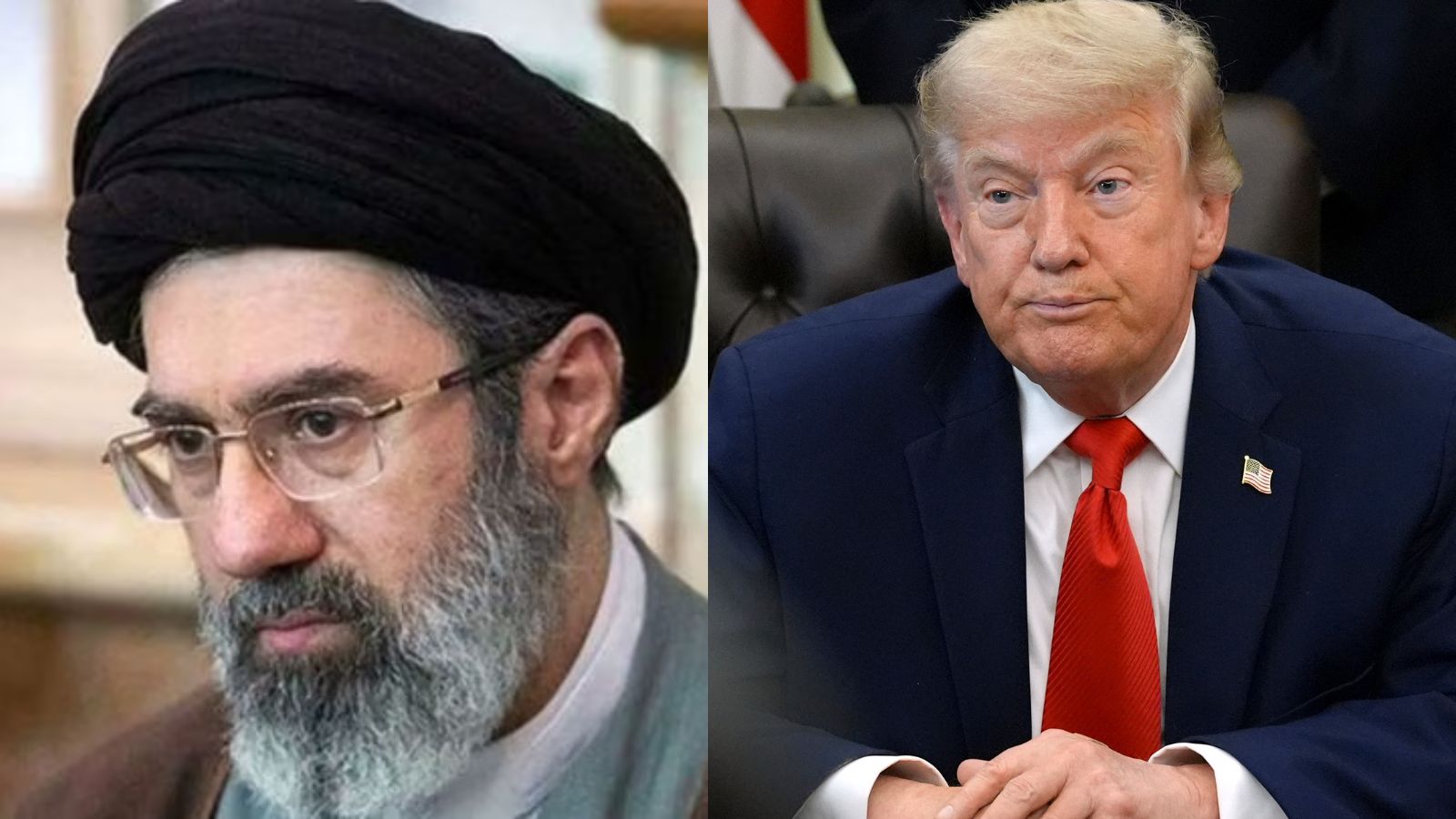
The White House calls it a great settlement, but Tehran calls it fiction. Hours after US President Donald Trump stood in the Oval Office to announce that a three-month-old war with Iran had been effectively brought to a close, the diplomatic reality on the ground told a vastly different story. The sudden cancellation of a third consecutive night of American airstrikes has bought a temporary reprieve for global energy markets, but the underlying architecture of this conflict remains completely unresolved.
What Washington is projecting as an imminent weekend signing ceremony in Europe is, stripped of the political theater, a highly fragile, conceptual framework that Iran has already refused to validate.
The primary friction point is straightforward. The US administration claims it has secured a binding memorandum of understanding that permanently bars Iran from the nuclear club, forces the dismantling of its enrichment infrastructure, and halts support for regional proxies. In exchange, the blocked economic artery of the global energy trade, the Strait of Hormuz, would reopen immediately.
Tehran, through Foreign Ministry spokesperson Esmaeil Baghaei, hit back almost instantly. Iranian officials confirm that while technical text has been drafted, nothing has been signed, no final decisions have been reached, and Iran's core sovereignty requirements are non-negotiable.
To understand why this breakthrough is being treated with immense skepticism by intelligence analysts and regional allies alike, one has to look past the podium. This isn't the first time an imminent peace has been declared. In fact, regional media trackers have noted dozens of instances over the last two months where a final accord was marketed as being days away.
The current cycle of escalation explains why a definitive signature remains elusive. Just forty-eight hours ago, American forces launched strikes against nearly twenty Iranian military sites following the downing of a US Apache helicopter near the Strait of Hormuz. The Islamic Revolutionary Guard Corps retaliated by firing a dozen ballistic missiles at Jordan's Al-Azraq airbase.
To expect a comprehensive, permanent geopolitical realignment to emerge from the immediate smoke of those explosions is to misunderstand how the Iranian state makes decisions.
The Mirage of Total Capitulation
The American strategy relies heavily on economic and military exhaustion. The administration’s public position is that Iran is ready to sign because its military infrastructure has taken an unprecedented beating. It is true that the threat of a targeted US operation against Kharg Island—which handles ninety percent of Iran's crude exports—presents an existential economic hazard to Tehran. By explicitly putting the seizure of Kharg Island on the table and then withdrawing it as a negotiating carrot, Washington believed it had found the ultimate leverage point.
But historical precedent suggests that backing the leadership in Tehran into a corner rarely produces the clean, unconditional surrender that Western leaders prefer to present to their domestic audiences.
The core of the proposed deal involves a massive concession from Iran. A complete lockout from uranium enrichment for fifteen to twenty years, alongside the physical dismantling of its nuclear facilities. For a regime that has spent decades tying its domestic legitimacy to its technological and nuclear autonomy, an outright dismantling without immediate, sweeping, and irreversible sanctions relief is an impossible sell.
The Iranian state structure is not a monolith. While President Trump indicated his understanding that Supreme Leader Mojtaba Khamenei had personally approved the conceptual framework, the internal mechanics of Iranian power require consensus among the security apparatus, Parliament, and the clerical elite. Parliament Speaker Mohammad Bagher Ghalibaf has already warned against impulsive American metrics. When the US administration alters its negotiating positions rapidly—a specific complaint raised by the Iranian foreign ministry this week—it signals to the conservative factions in Tehran that any memorandum signed today could be torn up tomorrow.
The regional players reading between the lines
While Washington celebrates a conceptual breakthrough, the rest of the Middle East is quietly calculating the costs of a flawed peace. The White House listed an extensive coalition of regional backers, including Saudi Arabia, the United Arab Emirates, Qatar, and Israel, as being aligned with the framework. The public statements from these capitals, however, reveal deep anxieties about what a hasty exit looks like.
Israeli Prime Minister Benjamin Netanyahu issued a carefully worded statement praising the American commitment to eliminating Iran’s nuclear ambitions and cutting off regional proxies. Yet, Israeli intelligence officials are privately deeply concerned that a conceptual memorandum designed primarily to reopen the Strait of Hormuz will leave the proxy network intact once the immediate pressure is lifted.
The Strait of Hormuz Dilemma
- The Reopening Promise: Washington claims shipping lanes will open immediately upon a signature, restoring a pathway that handles twenty percent of global energy shipments.
- The Enforcement Reality: Iranian state media reported that its naval forces continue to block uncoordinated transits, proving that holding the physical choke point remains Tehran's strongest cards.
- The Economic Stakes: While Brent crude prices dipped on the news of cancelled strikes, the market volatility reflects a deeper understanding that a deal built on a conceptual framework can collapse with a single rogue drone strike.
The 60-Day Clock and the Trap of the Temporary
If a memorandum of understanding is signed next week in Europe—potentially with Vice President JD Vance representing the United States—it will not mark the end of the war. It will merely mark the beginning of a highly volatile sixty-day negotiating window. This is the structural reality that the initial headlines ignored.
A letter of intent buys sixty days of diplomatic breathing room. During this period, the international community expects Iran to begin demining the shipping lanes in exchange for a staggered, highly sequenced release of frozen assets, beginning with an initial twelve billion dollars.
This phased approach is where previous diplomatic efforts have routinely fallen apart. Tehran expects significant financial relief upfront before it alters its physical defense infrastructure. Washington demands the physical destruction of centrifuges before the financial taps are turned on. Bridging that chasm requires precise, granular diplomacy, not sweeping declarations of victory.
The danger of the current narrative is that it confuses a tactical pause with a strategic resolution. The underlying friction points that triggered this three-month war—the status of regional alignment, the limits of defensive missile programs, and maritime sovereignty—cannot be resolved by a conceptual text that one side is already distancing itself from.
By de-escalating the planned strikes, the US administration has successfully lowered the immediate temperature. But by overstating the finality of the settlement, it risks creating a dangerous expectations gap. If the upcoming European talks stall over the definition of Iran’s red lines, the return to active conflict will be swift, and the next round of strikes will unlikely be called off at the absolute last minute.