The collapse of face-to-face negotiations between Washington and Tehran in April 2026 did more than just spike global oil prices; it triggered a silent, seismic shift in how Beijing manages its interests in the Middle East. For years, China played the role of a cautious bystander, content to let the United States shoulder the burden of regional security while it quietly vacuumed up discounted crude. Those days are over. With the diplomatic track in Washington now a smoking ruin, China is moving to insulate its energy security and project its own brand of stability, transforming from a passive observer into the primary architect of a post-American order in the Gulf.
Beijing is not merely "reacting" to the stalemate. It is aggressively filling a vacuum that the U.S. "maximum pressure" policy helped create. By positioning itself as a rational mediator alongside partners like Pakistan, China is offering Tehran a financial and political lifeline that makes U.S. sanctions look increasingly like a relic of a bygone era.
The Strait of Hormuz and the $400 Billion Gambit
The logic driving Zhongnanhai is simple: 40% of China's oil imports pass through the Strait of Hormuz. When talks stall and the threat of military escalation rises, China’s primary concern is not nuclear proliferation, but the literal flow of atoms. The recent failure of the Washington talks immediately triggered a series of quiet, high-level directives from Beijing.
While the U.S. relies on the threat of the carrier strike group, China relies on the promise of the ledger. The 25-year Comprehensive Strategic Partnership Agreement, often dismissed by Western analysts as a toothless memorandum, is finally seeing the "iron" put into the "plan." Reports from mid-2026 indicate that Chinese state enterprises are accelerating infrastructure projects in Bandar Abbas and the Chabahar region, purposefully creating "facts on the ground" that would make any future Western military action against Iran a direct threat to Chinese sovereign assets.
This isn't just about trade. It is about a fundamental restructuring of the regional security architecture. Beijing’s recent Five-Point Initiative, which emphasizes "regional ownership" of security, is a polite way of telling the U.S. to pack its bags. By backing Pakistani mediation efforts, China creates a diplomatic buffer that allows it to maintain the moral high ground while the U.S. and Iran remain locked in a cycle of threats.
The Shadow Fleet and Sanction Erosion
Sanctions only work if there is no exit. China has built a massive, nearly invisible exit.
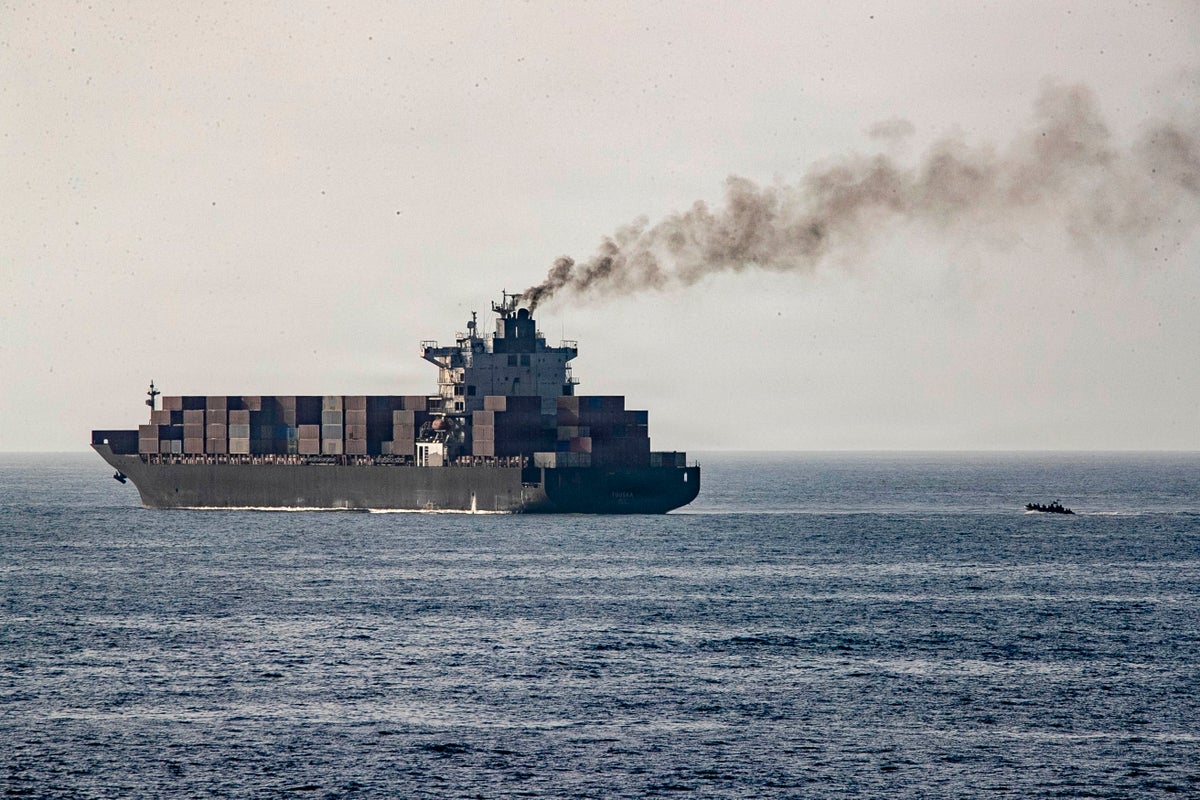
In 2025, unreported Iranian crude exports to China were estimated at over $31 billion. This "shadow fleet" of tankers—often aging vessels with obscured ownership and disabled transponders—serves as the lifeblood of the Iranian economy. By continuing these purchases, Beijing has effectively neutralized the primary leverage Washington had at the negotiating table.
- The Financial Loop: Chinese banks and front companies in Hong Kong provide the clearing mechanisms that allow Tehran to bypass the SWIFT system.
- Dual-Use Transfers: Beyond oil, the flow of technology has shifted. Intelligence reports suggest that following the breakdown of talks, China has been less restrictive about "dual-use" components—navigation systems and high-end industrial parts—reaching Iranian defense contractors.
To the Chinese leadership, these are not "illegal" activities. They are sovereign trade decisions. They view the U.S. use of the dollar as a weapon not as a legitimate tool of diplomacy, but as an act of financial "law of the jungle." By ignoring these sanctions, China isn't just helping Iran; it is proving that the U.S. financial hegemony is optional.
Mediation as a Competitive Product
China’s approach to the current crisis is a masterclass in opportunistic diplomacy. While Washington issues ultimatums, Chinese Foreign Minister Wang Yi has logged dozens of calls with Gulf neighbors—Saudi Arabia, the UAE, and Bahrain—presenting China as the only party capable of speaking to everyone.
This "new diplomacy" is a product China is selling to the Global South. The pitch is enticing: "We don't care about your internal politics, your human rights record, or your nuclear ambitions, as long as the oil keeps flowing and the infrastructure gets built." In the wake of the failed Washington talks, this message is resonating. Even traditional U.S. allies in the Gulf are hedges, increasingly looking toward Beijing for a security guarantee that doesn't come with a lecture on democratic values.
The strategy is not without risks. If Iran interprets Chinese support as a blank check for regional aggression, it could lead to the very closure of the Strait of Hormuz that Beijing fears most. However, the Chinese gamble is that their economic weight is now so significant that Tehran cannot afford to ignore their calls for "restraint."
The Strategic Symbiosis
We are witnessing the birth of a strategic symbiosis that the U.S. foreign policy establishment failed to anticipate. Iran provides the energy and the geographic position to challenge the U.S. in the Middle East; China provides the capital and the diplomatic cover to ensure Iran doesn't collapse under Western pressure.
This relationship is not a friendship of choice but a marriage of necessity. Iran needs a buyer that won't blink at sanctions. China needs a partner that can keep the U.S. bogged down in a perpetual Middle Eastern quagmire, preventing Washington from fully pivoting its military resources to the Indo-Pacific.
The stalled talks in Washington aren't just a missed opportunity for peace. They are the catalyst for a new, Chinese-backed reality where the U.S. is no longer the indispensable power, but an outside agitator whose influence is being systematically dismantled, one oil tanker at a time.