When the United States State Department quietly dispatches invitations for high-level summits on the sidelines of the United Nations General Assembly, veteran observers know the real business is happening far away from the podium. The diplomatic scramble surrounding Washington's nascent postwar strategy for Iran represents more than a routine exercise in multilateral diplomacy. It is a frantic scramble to contain the regional shockwaves of a protracted conflict that has upended economic stability across the Persian Gulf.
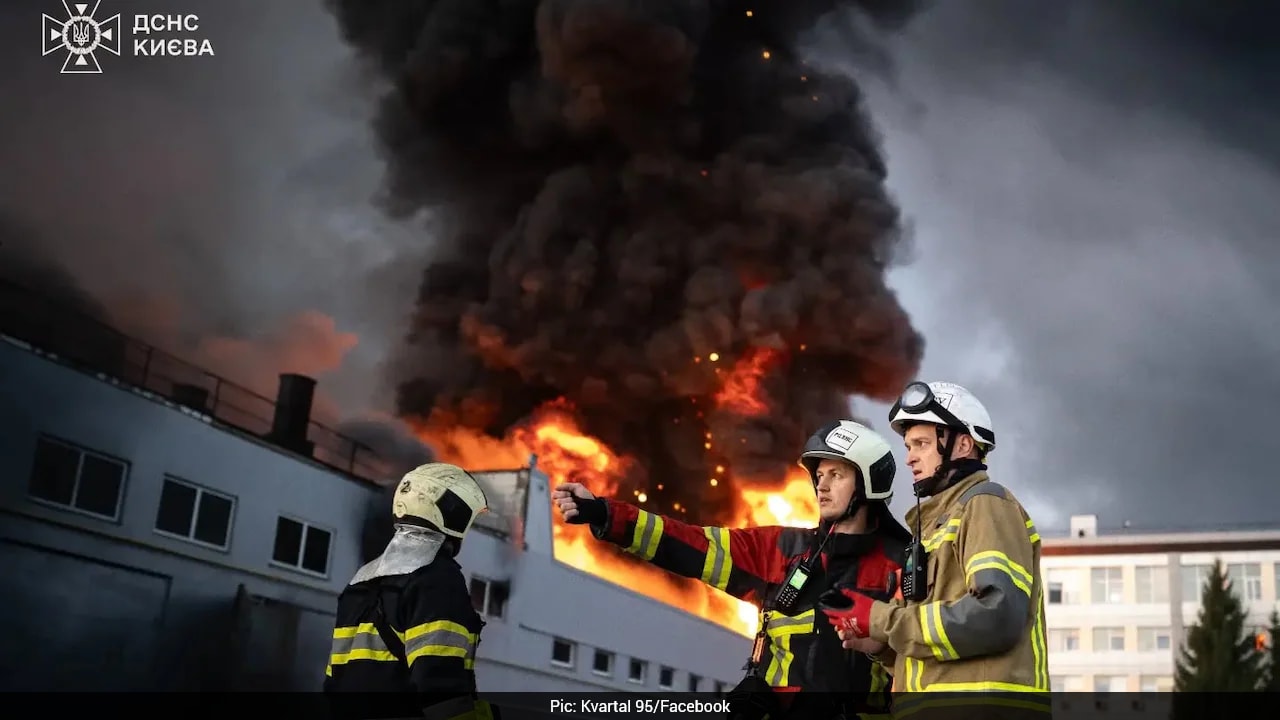
For months, the administration has attempted to balance competing imperatives. On one hand, Washington wants to project absolute strength and permanence in its containment of Tehran. On the other hand, the stark realities on the ground—marked by disrupted maritime commerce, targeted infrastructure hits, and severe economic contractions across Gulf Cooperation Council member states—have forced a fundamental reassessment of American posture.
The primary driver behind these closed-door deliberations is the urgent need for architectural alignment. Gulf capitals, including Riyadh and Abu Dhabi, find themselves directly in the crosshairs of asymmetric retaliation. When vital energy installations or transit corridors face intermittent disruptions, abstract geopolitical theories about regime containment take a back seat to the immediate imperative of national survival and economic preservation.
Behind the polite diplomatic communiques lies a sharp divergence in priorities. Washington often views regional security through the narrow lens of maximum pressure and long-term strategic isolation. Conversely, neighboring monarchies and regional states must live next door to Tehran permanently. This geographic reality explains why various regional actors continue to hedge their bets, maintaining parallel diplomatic channels even as Western officials attempt to forge a unified front.
Consider the economic toll. The International Monetary Fund and various regional analysts have pointed to severe contractions in several Gulf economies over the course of the hostilities, driven primarily by shipping disruptions and the sheer cost of defensive postures. Insurance premiums for tankers traversing the Strait of Hormuz have skyrocketed, turning a critical geopolitical chokepoint into an economic hazard zone. When supply chains shudder, state budgets bleed. This financial attrition makes local leaders far less enthusiastic about open-ended military strategies that lack a clear, functional endpoint.
The proposed postwar blueprint discussed during these summits typically centers on three pillars: enhanced integrated air defense architectures, expanded regional normalization frameworks, and tighter financial controls designed to choke off proxy networks. Yet, designing a blueprint on paper is entirely different from enforcing it in a theater characterized by deep mistrust. Past efforts to construct monolithic security pacts in the Middle East frequently stumbled over bilateral disputes and differing perceptions of threat priorities.
Furthermore, domestic political timetables in the United States cast a long shadow over these negotiations. Major foreign policy initiatives are rarely insulated from electoral cycles, and foreign counterparts are well aware that commitments made today must survive shifting political winds tomorrow. This creates an atmosphere of conditional cooperation, where allies nod along with Washington's grand visions while quietly hedging their diplomatic bets with secondary and tertiary powers.
Ultimately, the diplomatic theater in New York serves as a pressure valve. It allows all parties to measure the distance between their stated public ambitions and the grim operational realities of the map. As long as the fundamental security dilemma in the Persian Gulf remains unresolved, these high-level summits will continue to cycle between ambitious blueprints and the messy, grinding work of crisis management.
The path forward depends entirely on whether Washington and its regional partners can bridge the gap between abstract containment doctrines and the immediate, messy requirements of local de-escalation. Until that compromise materializes, the region remains suspended in a tense holding pattern, waiting for a definitive break that neither military strikes nor diplomatic communiques have yet been able to deliver.