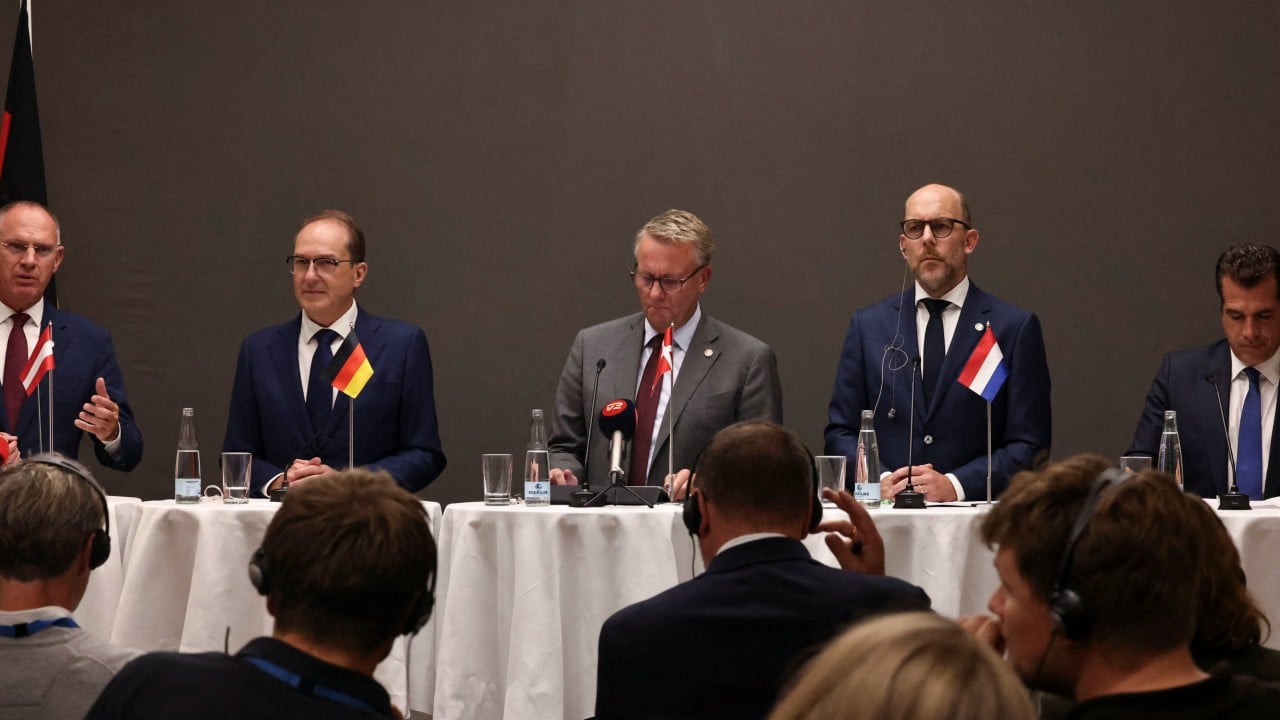
Five European Union governments are actively forging agreements to outsource the housing and processing of rejected asylum seekers to third-party nations outside the bloc, targeting operational readiness by early 2027. Meeting in Copenhagen, interior ministers and migration officials from Germany, Austria, Greece, Denmark, and the Netherlands—collectively styling themselves as the Group of Five—formulated a shared framework to establish extraterritorial return hubs. This policy shift follows the European Parliament’s legislative overhaul passed in June, which cleared the path for member states to transfer undocumented individuals whose claims have failed to countries with which they have no personal ties.
For years, the concept of shipping non-deportable individuals to foreign jurisdictions was dismissed within Brussels corridors as legally untenable and politically radioactive. Governments routinely faced insurmountable legal roadblocks, domestic pushback, and fierce condemnation from international organizations whenever offshore processing models were floated. Yet mounting public fatigue over irregular migration, coupled with abysmally low continental deportation rates where only a fraction of those ordered to leave actually depart, forced a radical change in legislative posture. The June parliamentary vote transformed what was once an outcast idea into official European policy.
Operationalizing these centers by 2027 requires clearing formidable diplomatic and logistical hurdles. The primary challenge involves identifying and securing willing host governments outside Europe. While officials in Copenhagen kept specific partner nations tightly under wraps, diplomatic circles point toward nations like Rwanda and Uganda as prime candidates. Rwanda has already engaged in preliminary discussions, framing potential involvement as part of a broader humanitarian effort to provide safe transit and support mechanisms. However, previous British attempts to execute a similar deportation model to East Africa collapsed under heavy litigation and astronomical costs, demonstrating the fragile nature of bilateral cash-for-migrant pacts.
Financial and political incentives remain the unspoken currency of these negotiations. Developing nations willing to shoulder the administrative and social weight of Europe's rejected populations expect substantial economic aid, favorable trade terms, or security partnerships in exchange. This transactional diplomacy turns human management into a tradable commodity, raising sharp questions about long-term sustainability. If a host government undergoes a regime change or faces domestic unrest, the entire architectural framework of Europe's externalized border management risks immediate collapse.
Human rights organizations and legal watchdogs have mobilized fiercely against the initiative. The Council of Europe and independent monitors argue that setting up offshore facilities creates legal vacuums where accountability evaporates and basic protections cannot be guaranteed. Critics emphasize that outsourcing state obligations does not legally erase a government's responsibility under international human rights treaties. When individuals are moved thousands of miles away from European courts, access to legal counsel and transparent appeal processes becomes structurally compromised.
Proponents within the Group of Five reject the characterization of these facilities as detention camps, insisting instead that they represent structured environments offering new opportunities in partner countries for individuals who refuse or cannot return to their countries of origin. Danish Immigration Minister Morten Bodskov argued that the strategy aims to dismantle the business model of human smuggling rings by showing that irregular entry into Europe leads neither to integration nor permanent undocumented residence.
Not all EU capitals share this hardline enthusiasm. France has consistently expressed skepticism, viewing such arrangements as legally precarious and fundamentally misaligned with core European values. This internal fracture underscores a deeper ideological split within the union. While a coalition of states pushes aggressively toward externalization, others fear that dismantling asylum safeguards sets a dangerous precedent that weakens the moral authority of the bloc on the global stage.
As the Group of Five prepares for their next strategic summit in Munich, the 2027 timeline looms large. Technical delegations will spend the intervening months touring prospective host nations to evaluate local infrastructure and legal conditions, attempting to satisfy skeptical domestic judiciaries. Whether these offshore blueprints can survive the collision between political ambition and hard legal reality remains an open question, and the institutional future of European migration management hangs in the balance