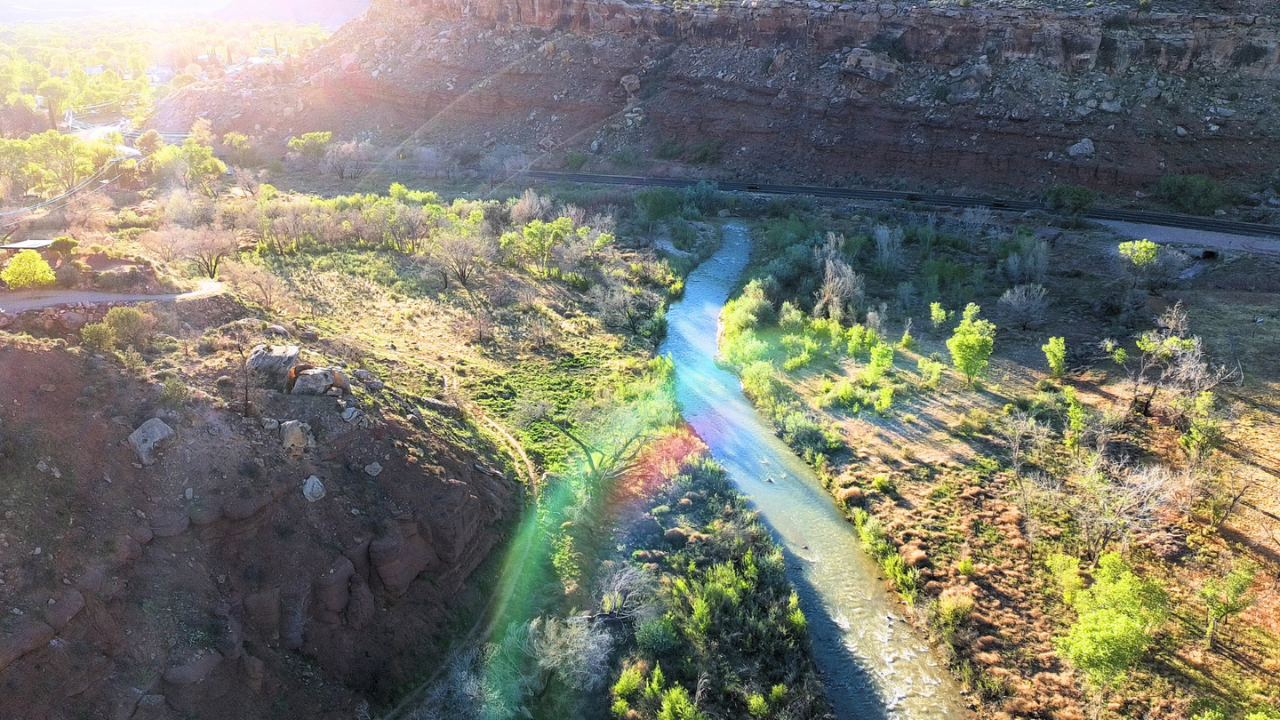
Land ownership near America's most iconic national parks is a high-stakes game. When a sudden loss hits a family, inheriting property isn't just an emotional hurdle. It's an immediate logistical emergency. Two siblings recently found themselves holding 20.66 acres right beside Zion National Park after their brother passed away. That acreage sounds like a dream. In reality, it represents a maze of property taxes, conservation questions, zoning restrictions, and heartbreaking decisions.
Most people think inheriting land means you've won the lottery. They picture building a sprawling desert retreat or cashing out for millions. Zion National Park sits in Washington County, Utah. Real estate values there have skyrocketed over the last decade. But owning raw land right next to federal boundaries comes with severe strings attached. You can't just slap up a vacation rental or bulldoze a road through protected terrain.
Let's look at what happens when regular people inherit rural acreage near massive tourist destinations.
The Reality of Raw Land Near Zion
You inherit twenty acres. Great. Do you have water rights? Can you legally access the property by vehicle, or is it landlocked? These are the questions most heirs forget to ask until the county assessor sends a massive tax bill.
Zion draws millions of visitors every single year. The surrounding towns like Springdale, Rockville, and Hurricane are jammed with tourists, hotels, and short-term rental speculators. Land adjacent to the park boundary carries immense speculative value. Developers call constantly. Real estate agents slide business cards under doors.
Yet, owning property here also means dealing with extreme desert environments. You have zero infrastructure. Power lines might be miles away. Septic permits require rigorous perc tests that rocky southern Utah soil frequently fails.
When you lose a sibling, grief makes these administrative nightmares feel impossible. You aren't thinking about zoning codes. You're grieving. Estate lawyers swoop in. Probate courts take their cut. Before you know it, you are drowning in paperwork about a piece of red rock desert you might not even know how to visit safely.
Financial Pressures and Property Taxes
Inheritance taxes and property assessments don't care about your emotional state. Utah property taxes might seem lower than states like New York or New Jersey, but raw land valuations near national parks have spiked aggressively.
If the land has been in the family for a long time, the baseline assessment might be low. Transferring ownership through inheritance triggers reassessments in many jurisdictions. Suddenly, heirs face annual tax bills they never planned for.
You have three basic choices with inherited land.
- Keep it and figure out how to pay the ongoing costs.
- Sell it to a private buyer, developer, or conservation group.
- Build on it and try to turn a profit.
Selling sounds easy. But when siblings disagree, things get ugly fast. One sibling wants to keep the land as a memorial to their late brother. The other sibling has student loans, a mortgage, and needs liquid cash right now. Family friction destroys wealth faster than bad investments.
If you decide to sell, you have to price it right. Real estate near Zion isn't normal suburban housing. Appraisers struggle to find comparable sales because parcels of this size right on the boundary rarely trade hands. You need local expertise. You cannot rely on national online valuation tools. They miss the nuances of water access, topography, and county zoning overlays entirely.
The Conservation Dilemma
What about conservation easements? Many people look at land next to a national park and feel a moral obligation to protect it. They don't want to see luxury McMansions carved into the sandstone cliffs where bighorn sheep roam.
Placing a conservation easement on twenty acres restricts future development forever. You give up the right to build commercial structures or subdivide the parcel. In exchange, you get significant tax deductions and the peace of mind that the land remains wild.
Conservation groups like the Zion Forever Project or local land trusts often work with families in these exact situations. But it's a permanent decision. Once you lock the land down, its market value drops. You have to decide if preserving a view corridor matters more than maximizing your inheritance payout.
Your brother wouldn't necessarily care about easements, or maybe he talked about loving the raw desert landscape every time you visited. You have to guess his intentions if he left no clear will or detailed estate plan. That guessing game tears families apart.
Practical Steps for Handling Inherited Acreage
If you find yourself holding a deed to remote or high-value acreage near a major park, take a breath. Do not sign anything immediately.
First, get a physical survey done. People often assume they know where the property lines run. In the rugged terrain around Zion, fences are often misplaced by hundreds of yards. Make sure you actually own what you think you own.
Second, check the water rights carefully. In the West, land without water is just dirt. Utah law regarding water rights is notoriously complex. Owning acreage next to a river or wash does not automatically mean you can pump water from it.
Third, consult a local real estate attorney who specializes in Washington County zoning laws. County commissioners in southern Utah change rules frequently regarding rural density and tourist accommodations.
Talk to your family openly about money. Put feelings on the table before bitterness sets in. If one sibling wants out, figure out a buyout structure that works without forcing a fire sale of the entire property.
Inheriting land should be a gift, even when it comes through the tragedy of loss. Treat it like a business from day one, protect your equity, and honor your family's history without letting emotional manipulation from outside buyers dictate your choices.