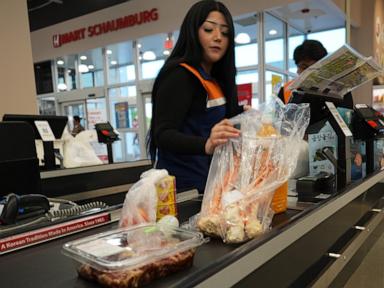
The financial press loves a good war. It simplifies the messy, complex reality of global economics into a neat, digestible narrative: bombs drop in the Middle East, so your morning latte and flight to Miami cost 20% more.
It is a comforting lie. It gives consumers a visible villain to point at—whether that is a foreign state, a cartel, or a supply chain bottleneck.
But the mainstream consensus that higher prices for gas, groceries, and travel will outlast regional conflicts is fundamentally looking at the wrong ledger. Geopolitics is a sideshow. The real driver of your shrinking purchasing power is a toxic cocktail of domestic monetary expansion, corporate margin protection, and, most importantly, the average consumer’s stubborn refusal to stop spending.
I have spent two decades analyzing corporate balance sheets and market cycles. I have watched boards of directors celebrate behind closed doors as they realized they could use geopolitical headlines as a smokescreen to hike prices far beyond their actual cost increases. They call it "pricing power." You call it inflation. And as long as you keep paying it, those prices are never coming down.
The Geopolitical Smoke Screen
Let's dismantle the premise that conflict drives structural, long-term inflation.
When regional tensions escalate, the commodity markets react instantly. Algorithms trigger buy orders, crude oil spikes, and futures contracts twitch. This is speculative volatility, not structural inflation.
True inflation is a persistent, systemic devaluation of currency. It happens when the supply of money outpaces the supply of goods and services. A drone strike thousands of miles away does not print money. The central bank prints money.
When pundits claim that conflict-induced supply shocks will permanently alter the price of groceries and flights, they confuse a temporary logistics hiccup with a permanent monetary shift. Shipping routes can be rerouted. Supply chains adapt with astonishing speed because billions of dollars are on the line to find efficiencies.
The real reason your groceries are expensive is that the monetary baseline shifted permanently between 2020 and 2024. The M2 money supply in the United States expanded by roughly 35% during that window. You cannot inject trillions of dollars into a closed economic system without permanently altering the nominal price of everything. The war is just a convenient excuse for companies to finally pass those systemic costs down to you without facing a public relations backlash.
The Margin Expansion Lie
Corporate executives have discovered a brilliant psychological trick: if the news is bad enough, consumers accept higher prices without a fight.
Look at the airline industry. Every time oil ticks up, airlines scream about jet fuel costs. They raise ticket prices, add fuel surcharges, and cut routes. But look at what happens when oil prices drop back down. Do ticket prices plunge? No. The surcharges get folded into the base fare, and the new price floor becomes permanent.
This is not cost-push inflation. This is profit-margin expansion masquerading as macroeconomic tragedy.
According to data from the Federal Reserve Bank of Kansas City, corporate profits contributed to over half of the inflation growth in the immediate post-pandemic recovery period. Companies were not just covering their rising input costs; they were actively expanding their margins because they knew consumers were primed to expect higher prices.
Imagine a scenario where a grocery chain experiences a 5% increase in wholesale egg prices due to logistics disruptions. Instead of absorbing the hit or passing on exactly 5%, the chain raises retail prices by 12%. They blame the global supply chain. The consumer sighs, grumbles about the state of the world, and swipes their credit card. The retailer just manufactured a record-breaking quarter under the guise of an economic crisis.
The Consumer as the Problem
Here is the bitter pill that no mainstream economic columnist wants to feed you: prices stay high because you keep paying them.
Economists talk about price elasticity of demand—the measure of how sensitive consumers are to price changes. If a product is elastic, a price hike causes demand to crater. If it is inelastic, people keep buying it regardless of the cost.
Right now, the global consumer is acting entirely inelastic, driven by a psychological phenomenon I call "resentment spending." After years of restrictions and existential dread, consumers have developed a nihilistic attitude toward their personal finances. They see housing as unaffordable and the future as uncertain, so they choose to burn their disposable income on high-end groceries, regular flights, and premium gasoline today rather than saving for a tomorrow they do not believe in.
Airlines are reporting record passenger volumes despite skyrocketing ticket prices. Restaurants are packed despite $25 burgers. If the consumer is willing to deplete their savings and run up record high credit card balances to maintain their lifestyle, businesses have zero economic incentive to lower prices.
Why would a CEO cut prices out of the goodness of their heart? Capitalism does not operate on empathy. Prices will stop rising only when the consumer hits a wall and stops buying. Until you stay home, pack a lunch, and cancel your vacation, you are actively financing the very inflation you complain about.
Dismantling the Consensus Flaws
Let's address the flawed logic floating around the standard economic commentary right now.
- Flawed Premise: "Energy independence protects us from international price shocks."
- The Reality: Oil is a fungible global commodity. Even if a country produces more oil than it consumes domestically, local producers sell that oil on the global market to the highest bidder. If a conflict drives up the global price of Brent crude, domestic producers will charge domestic refiners that same higher rate. You cannot insulate a capitalist economy from global commodity pricing without strict, state-mandated export bans—something no free-market government will ever implement.
- Flawed Premise: "Government price controls can fix grocery inflation."
- The Reality: This is economic suicide. Capping the price of goods below their market clearing rate always results in shortages, black markets, and a collapse in quality. If a grocery store cannot make a profit on milk, it will simply stop stocking milk. The solution to high prices is high prices. High prices naturally incentivize competitors to enter the market, increase supply, and eventually drive costs back down through raw competition.
The Downside of Disruption
There is a catch to this contrarian view. If the driver of inflation is consumer resilience and corporate opportunism rather than geopolitical destiny, the cure is incredibly painful.
To break the back of this structural inflation, we need a genuine demand destruction event. That is a polite economic euphemism for a severe recession.
Interest rates must remain high enough for long enough to intentionally break the labor market. Unemployment needs to rise, corporate revenues need to tank, and consumer credit lines must dry up completely. Only when the average household genuinely cannot afford to buy the groceries or book the flight will corporations lose their pricing power.
It is an ugly truth to admit: the alternative to sustained high prices is widespread economic hardship. You can either have expensive groceries or you can have a recession that threatens your job security. There is no magical third option where prices magically revert to 2019 levels while unemployment stays at historic lows.
Stop Asking the Wrong Questions
Stop looking at map coordinates in the Middle East or Eastern Europe to predict your cost of living. Stop asking when the geopolitical tensions will ease so your lifestyle can get cheaper.
The question you should be asking is: when will the consumer market finally break?
Watch credit card delinquency rates. Watch the rise in auto loan defaults. Watch the luxury goods sector for signs of distress. When the bottom third of the economic pyramid stops spending entirely, and the middle class is forced to opt for generic brands and staycations, that is when the corporate pricing paradigm will shatter.
Until that breaking point arrives, prepare to keep paying the premium. The corporate world has realized your tolerance for financial pain is incredibly high, and they will continue to squeeze every single dollar out of your pocket as long as you let them. Stop blaming the war. Look in the mirror.


