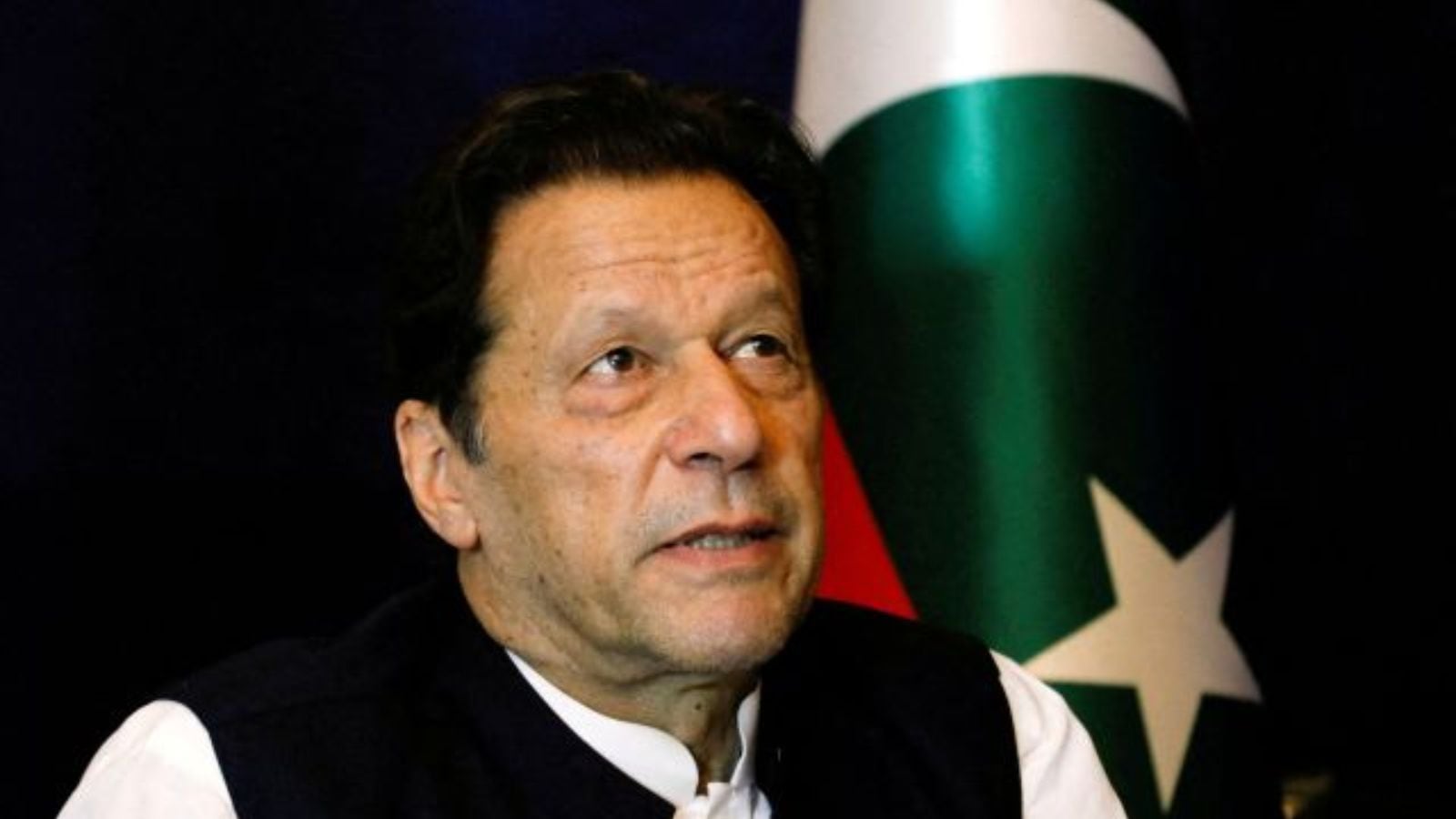
Three years behind bars will test any man. For former Pakistani Prime Minister Imran Khan, imprisonment has turned into a high-stakes battle over basic medical transparency and political survival.
Right now, his sons, Kasim and Sulaiman, are sounding the alarm from London. They claim they have zero reliable updates on their father's physical condition. Family members, legal counsel, and independent physicians have allegedly faced months of restricted access. While supporters take to the streets in major cities to mark the somber anniversary of his initial arrest, the core question remains. What is actually happening inside Adiala Jail?
The Information Blackout
Information control is a powerful political tool. When high-profile figures are locked away, rumor mills naturally fill the vacuum.
Kasim and Sulaiman recently went public with their frustrations, pointing out a rigid wall of silence. They haven't seen their father in person for months, and administrative hurdles keep stalling their travel plans. According to the brothers, official channels offer little comfort. They argue that refusing to release transparent, unredacted health reports leaves them completely in the dark.
"We're more in the dark recently than we've ever been," Kasim stated in a recent media interview, highlighting fears that his father's condition could be worsening out of sight.
The Pakistani government views things differently. State officials maintain that incarceration rules are being strictly followed rather than weaponized. The Ministry of Information insists that Khan receives regular legal access, family contact, and necessary medical evaluations. Authorities describe his living quarters as an exclusive compound with proper amenities, pushing back hard against allegations of punitive isolation or intentional medical neglect.
Medical Concerns and Political Flashpoints
Health scares have routinely punctured the calm during Khan's ongoing detention. Earlier issues involving serious eye strain and significant vision loss sparked massive public outcry, drawing attention from international bodies like Amnesty International.
While medical boards previously reported that specialized treatments reduced swelling and stabilized his vision, trust is scarce. Pakistan Tehreek-e-Insaf (PTI) loyalists don't buy the official reassurances. They argue that denying access to independent, trusted personal physicians violates fundamental human rights.
Street protests mirror this deep-seated distrust. Rallies in places like Karachi and Lahore often result in clashes and arrests, illustrating a volatile political climate where every medical bulletin becomes a partisan weapon.
The Broader Standoff
Imran Khan's legal battles began rolling aggressively downhill following his ouster in a 2022 no-confidence vote. Multiple convictions tied to state gifts and other charges followed, which Khan and his party reject as transparent political engineering.
Talk of a political deal surfaces periodically, but his family dismisses the likelihood of a quick compromise. Sulaiman has noted that his father wouldn't accept terms that leave fellow political prisoners abandoned behind bars.
As international human rights advocates continue pushing for transparent medical care and unrestricted family visits, the impasse deepens. Until independent doctors get unhindered access to verify his well-being, the tension on Pakistan's streets will only escalate.