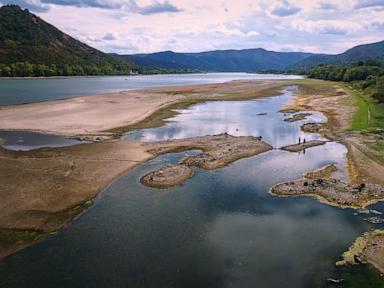
You can look at cracked mud flats and shrinking lakes and blame the weather. That is the easy way out. But the real crisis unfolding across Hungary's agricultural heartland has been centuries in the making.
For generations, engineers and landowners treated water as an enemy. They straightened winding rivers, cut off floodplains, and drained vast wetland ecosystems to turn bogs into profitable farmland. Now, that engineered efficiency is back to collect a devastating debt. When severe heat domes and prolonged dry spells hit Central Europe, the land has no memory of moisture. It acts like a chute instead of a sponge, sending every drop of rare rainfall rushing away while the remaining topsoil bakes into dust.
The Legacy of the Great Drainage Era
If you travel across the Great Hungarian Plain today, you are looking at a landscape built for a completely different climate reality. Back in the 19th century, land reclamation was the ultimate goal. Canals were dug and riverbeds channeled for a singular purpose: get rid of standing water as fast as humanly possible.
It worked too well. Wetlands that once functioned as natural water reserves were wiped off the map. For decades, farmers enjoyed dry fields and predictable planting seasons.
The system was optimized for drainage, not retention. When precipitation patterns shifted and multi-year deficits piled up—leaving parts of the country facing severe moisture gaps—the infrastructure failed to protect anyone. You cannot pump water from a system you spent two hundred years dismantling.
When Reservoirs Run Dry and Crops Collapse
The toll is no longer theoretical. Look at shallow water bodies like Lake Velence, where water levels have plummeted to historic lows, leaving behind grey, stinking mud and stranded docks. Look at the scorching summers where drinking water consumption spikes by double-digit percentages, forcing municipal restrictions and emergency conservation appeals.
Agriculture takes the heaviest hit. Livestock farmers watch fodder production wither away under relentless heat. Groundwater tables across the Great Plain have dropped meters below historical averages.
When rain finally falls in intense, violent storms, baked soils cannot absorb it fast enough. The water sheet-flows across hardened fields, carrying away vital nutrients and eroding the landscape even further.
Fixing a Broken Plumbing System
Shifting an entire national mindset from drainage to retention is messy work. The Hungarian government has rolled out emergency interventions—sinking heavy barges near critical energy infrastructure like the Paks nuclear plant to redirect dwindling river flows, and launching massive funds for water infrastructure reconstruction.
Yet concrete canals and emergency barriers are band-aids. True resilience requires putting water back where it belongs. Conservationists argue for reviving historical floodplains, building local reservoirs, and re-wetting drained organic soils.
If you want to survive a drier future, you have to stop treating every drop of water as floodwater waiting to be expelled. You have to capture it, slow it down, and let the earth drink.