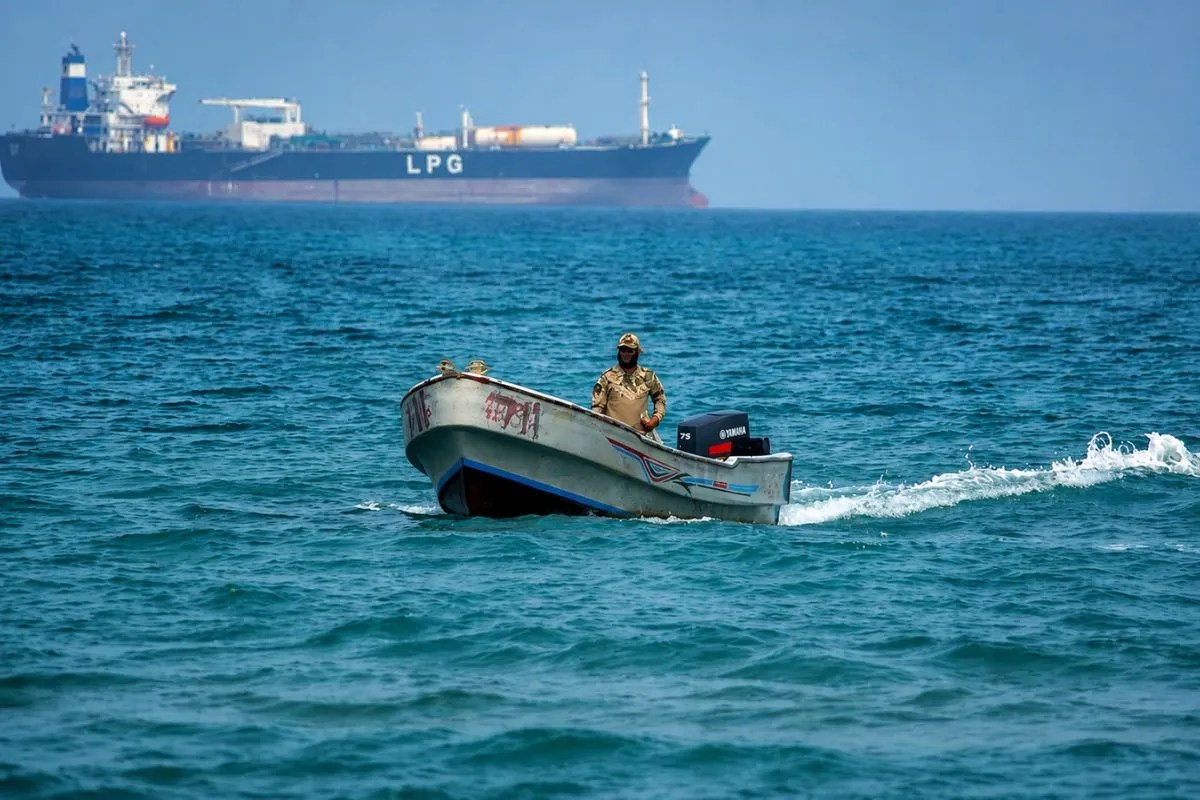
When an Indian-bound Saudi crude oil tanker abruptly pulled an abrupt U-turn in the Red Sea and pivoted back toward the Suez Canal, it marked far more than a routine navigational detour. It signaled a full-scale operational disruption along one of the planet's primary trade arteries. Houthi maritime blockades near the Bab-el-Mandeb Strait have transformed a high-volume transit zone into a high-risk combat corridor. Container ships and energy carriers now face a stark choice: brave drone swarms and anti-ship ballistic missiles, or swallow weeks of added delay by routing entirely around the African continent.
The immediate reality for global energy and logistics supply chains is severe financial and operational strain. Ships carrying crucial crude, refined fuels, and raw industrial components bound for Asian and European ports are changing course mid-voyage. Re-routing around the Cape of Good Hope adds roughly 3,500 to 4,000 nautical miles to a typical journey between Europe and Asia, extending ocean transit times by 10 to 14 days. That delay translates directly into soaring fuel consumption, mounting crew expenses, and inflated hull insurance premiums. You might also find this similar story interesting: The Mapmakers of Skopje and New Delhi.
The Mechanics of a Chokepoint Lockout
Geography dictates vulnerability. The Bab-el-Mandeb Strait measures just under twenty miles across at its narrowest boundary, creating a physical bottleneck that forces commercial vessels into predictable, tightly confined lanes.
A target does not need to be hit to be neutralized. The simple threat of asymmetrical attack alters the math for maritime underwriters. As reported in latest articles by Al Jazeera, the effects are notable.
When a vessel enters a designated high-risk zone, its War Risk insurance rates skyrocket from fractions of a percent of hull value to prohibitive premiums. In many cases, major maritime insurers refuse coverage entirely unless a ship alters its trajectory. When a Saudi tanker heading toward an Indian refinery suddenly turns back toward the Suez, it is often reacting to a combination of immediate threat telemetry, naval warnings, and corporate risk mandates.
Cascading Delays Across Asian and European Ports
Supply chains operate on precise synchronization. A two-week shipping delay rarely remains isolated to a single vessel; it creates severe ripples throughout down-river logistics hubs.
- Port Congestion: Ships arriving off-schedule cluster together at major receiving terminals, causing severe berth shortages and long offloading backlogs.
- Container Misallocation: Empty shipping containers sit stranded on ships taking extended routes, depriving exporting nations of the equipment needed to ship goods out.
- Inventory Gaps: Manufacturers relying on just-in-time delivery models are forced to idle production lines while waiting on critical parts delayed at sea.
Consider a hypothetical manufacturing plant in Western India expecting a shipment of specialized chemical catalysts or heavy industrial machinery components from a supplier in Northern Europe. Under normal conditions, the transit via Suez takes approximately eighteen days. If the vessel reverses course in the Red Sea and takes the longer circuit around Southern Africa, the transit stretches past thirty-two days. The factory must either draw down safety stock, pay astronomical rates for emergency air freight, or halt assembly lines completely.
The Economic Realities of Maritime Re-Routing
Circumnavigating Africa is an expensive alternative, yet for an increasing number of fleet managers, it remains the only viable risk-mitigation strategy.
Fuel costs form the largest portion of voyage overhead. A large container ship cruising at normal speeds can burn tens of thousands of gallons of heavy fuel oil daily. Adding two weeks to a round trip balloons operational expenses by hundreds of thousands of dollars per transit.
Normal Route (Via Suez)       : ~18-20 Days | Standard Insurance Rates | Direct Transit
Alternative Route (Via Africa): ~30-34 Days | High Fuel Consumption   | +4,000 Nautical Miles
These surcharges do not disappear into corporate spreadsheets. Carriers pass the cost down through emergency operational surcharges, peak season adjustments, and elevated freight rates. Consumers ultimately absorb those increases at the retail level through persistent inflation on imported goods, electronics, and petroleum products.
The Limits of Naval Escorts
Naval task forces can monitor corridors, intercept incoming projectiles, and respond to distress calls. They cannot, however, shield every commercial vessel passing through a narrow waterway simultaneously.
Commercial shipping volume simply overwhelms available military assets. An air-defense destroyer firing multi-million-dollar interceptor missiles to shoot down low-cost attack drones represents an unsustainable defensive ratio over a long period. Shipping companies recognize this math. Unless naval forces can guarantee total protection along the entire length of the southern Red Sea, commercial operators will continue prioritizing safety over direct routing.
Long-Term Structural Shifts in Global Trade
Temporary detours are beginning to solidify into permanent structural changes. Global logistics firms are recalibrating their multi-year strategies, acknowledging that maritime security in traditional corridors can no longer be assumed.
Freight forwarders are shifting toward multi-modal transportation networks. Land bridges, expanded rail freight across Eurasia, and localized manufacturing hubs are drawing renewed investment as companies seek to insulate themselves from maritime chokepoints.
Energy markets face a parallel realignment. Refineries in South Asia and East Asia are shifting purchasing patterns to source crude oil from producers that do not require Red Sea transit, altering decades-old trade flows. When shipping lanes fracture, supply lines shrink, driving up baseline operational costs across every industry reliant on ocean transport.
The U-turn of a single oil carrier off the coast of Yemen is not an isolated event. It is a stark indicator that the era of low-cost, low-risk ocean transit through the world's most vital maritime passages has drawn to a sudden, decisive close.