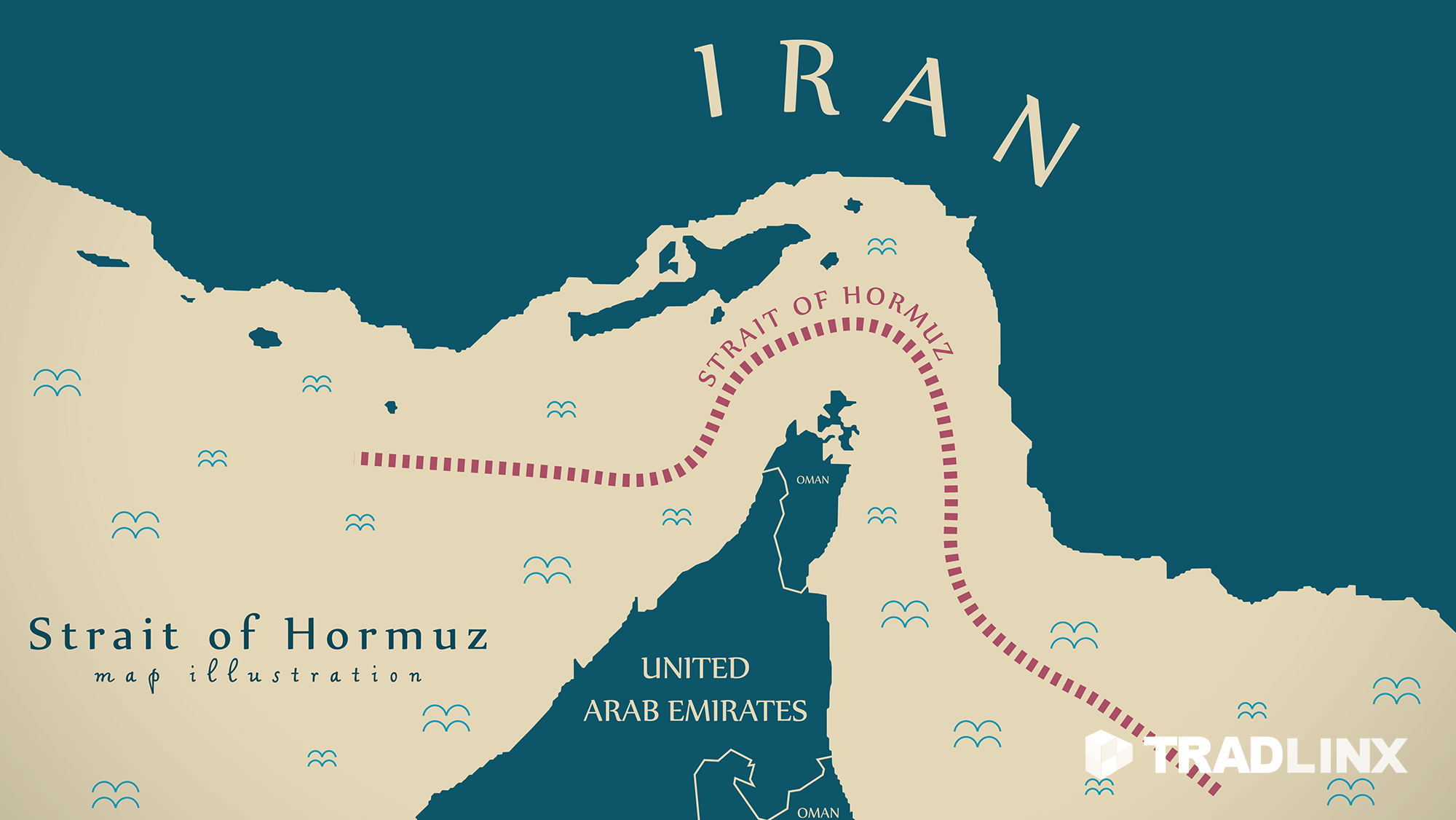
The financial press loves a narrative. It loves the idea of a clear, singular event moving markets. Right now, the headlines are screaming that Iran successfully collected toll fees from vessels in the Strait of Hormuz, funneled them into the Central Bank, and somehow established a new baseline for geopolitical leverage.
It is a fairy tale for traders who need a reason to dump oil futures.
If you believe that a handful of transactions constitutes a functioning, systemic toll mechanism, you are ignoring how global maritime logistics actually function. You are buying a headline designed to trigger algorithmic buying or selling, not analyzing a fiscal shift.
The Fiction of Enforcement
Let’s be precise. A "toll" requires legal standing, physical enforcement, and international recognition. Iran has none of these in international waters. What we are seeing is not a toll; it is a protection racket rebranded for the FX markets.
I have watched companies waste massive amounts of capital hedging against supposed "chokepoint taxes" that never materialize in a meaningful capacity. The reason is simple: maritime insurance.
Every vessel passing through the Strait is covered by P&I (Protection and Indemnity) Clubs. These are mutual insurance associations. If a ship operator starts paying unauthorized "fees" to a state actor to pass through international waters, they immediately void their insurance coverage. No shipowner—and certainly no captain—is going to risk a $150 million tanker and its cargo to pay an unverified fee that their insurance provider will treat as an act of piracy.
The Mechanics of the Transaction
The media reports these transfers to the Central Bank as if they are normal wire transfers. They aren’t.
Imagine a scenario where a tanker operator is forced to provide "documentation" or "fees." This is not a tax; it is a gray-market bribe. If these funds reach the Central Bank, it is via a convoluted web of front companies and intermediaries. This is not a sign of economic strength; it is a sign of financial desperation.
When you see reports of "successful transfers," ask yourself who is reporting it. It is not the shipping industry. It is not the maritime exchanges. It is state-run media. The goal is not to collect revenue; it is to project strength to a domestic audience and sow confusion in energy markets.
Why You Are Asking the Wrong Question
The market is obsessed with the question: "Will the toll affect oil prices?"
This is the wrong question. The real question is: "Why does the market need this narrative to justify volatility?"
Oil is a global commodity priced on supply, demand, and speculative sentiment. Even if Iran were to physically seize every fifth ship, the market would adjust in days. We have seen this before. In the 1980s, the tanker war was far more aggressive than anything happening today, and global supply chains adapted within months.
Shipping routes are dynamic. They are not fixed lines. If the cost of passing through Hormuz increases—either through actual fees or increased insurance premiums—the market forces ships to take longer routes. The cost of fuel, the availability of vessels, and the time-to-market all adjust. The price of oil is driven by the cost of the most expensive barrel being produced, not by a temporary tax on one transit point.
The Trade You Are Missing
Stop tracking the "success" of the toll. It is irrelevant noise. Start tracking the behavior of the insurance syndicates in London and the availability of Very Large Crude Carriers (VLCCs) in the Arabian Gulf.
If the cost of shipping was truly rising due to these tolls, you would see a spike in freight rates. You aren't. If you look at the Baltic Dirty Tanker Index, it remains driven by seasonal demand and refinery maintenance cycles, not geopolitical extortion.
I’ve seen traders blow their entire quarterly allocation chasing a "Middle East tension spike" that lasted less than four hours. They act on news flashes because they are too lazy to check the actual freight forwarders.
The reality is that global powers—specifically the ones who actually move the oil—have no interest in normalizing a "toll" in the Strait of Hormuz. It sets a precedent that would undermine every other chokepoint on the planet, from the Malacca Strait to the Suez Canal. The world economy relies on the fiction that the high seas are free. If that fiction breaks, you won’t be worrying about oil prices; you’ll be worrying about the cost of everything else.
The Hard Truth About Power
Iran’s maneuver is a classic asymmetric strategy. By creating a headline, they generate uncertainty. Uncertainty creates a risk premium in the price of crude. That risk premium translates into actual revenue for their oil exports.
They don't need to actually collect the tolls to win. They just need you to believe they can.
The Central Bank report is not a balance sheet update; it is an information operation. By buying into the narrative, the market is literally funding the very instability it claims to be worried about.
Stop checking the news wires for "confirmed transfers." Start looking at the tanker tracking data. When the ships stop moving, then you have a crisis. Until then, you are just looking at a mirror held up to reflect your own anxieties.
Don't trade the headlines. Trade the flow. When the flow remains constant despite the noise, ignore the noise. The noise is expensive.
The market has a way of correcting those who confuse propaganda with logistics. It usually happens when the shorts are squeezed and the longs have already taken their profit. If you are waiting for a clear signal from the Central Bank, you are already the exit liquidity for someone who understands that the Strait of Hormuz is closed only when it is actually empty.
Stop pretending this is about finance. It is about psychology. And currently, you are being played.