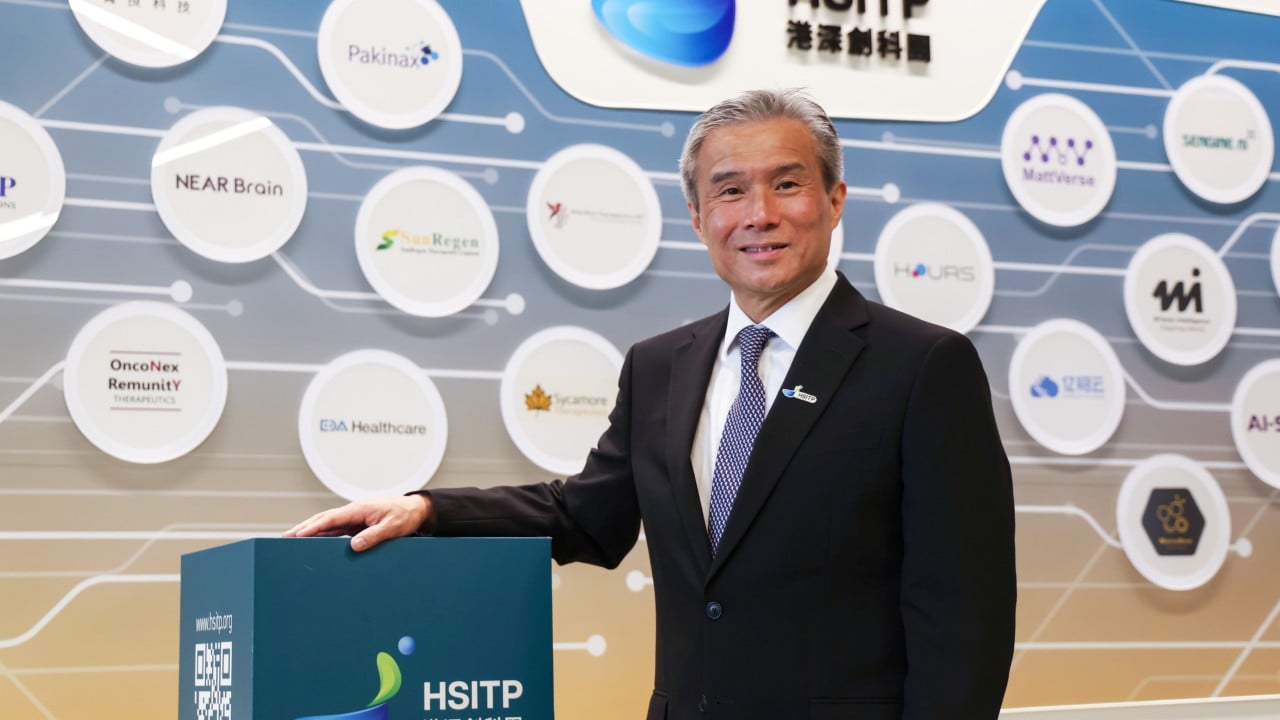
Getting funding is usually the easy part of building a tech company. Keeping the business alive past the eighteen-month mark is where founders actually struggle. Hong Kong’s major tech ecosystems have noticed this brutal reality, shifting focus away from pure cash injections toward intensive, hands-on guidance.
A cohort of one hundred startups entering Hong Kong's primary tech hubs highlights a broader shift in how regional innovation centers operate. Instead of acting as passive landlords offering cheap desk space, these hubs are pairing early-stage teams with seasoned industry veterans. If you look at why most young companies fail, it rarely comes down to a lack of raw coding talent. It comes down to bad product-market fit, regulatory blindness, and founders burning through capital before securing real distribution channels. Discover more on a similar topic: this related article.
The Real Value of Matching Code with Experience
Most first-time founders believe their product speaks for itself. It doesn't. When you drop a young team into an aggressive market like the Greater Bay Area, technical brilliance gets eaten alive by compliance hurdles and customer acquisition costs.
Mentorship changes that dynamic only if the mentors have actual scars. The recent push inside Hong Kong's flagship hubs brings in executives who have navigated cross-border logistics, FDA approvals for medical tech, or complex enterprise sales cycles. When a veteran tells you to rewrite your pricing model or drop a feature you spent six months building, it hurts. But that exact intervention usually saves the company. More journalism by Wired explores comparable views on this issue.
Data from existing incubation pipelines at places like Cyberport and the Hong Kong Science and Technology Parks Corporation show clear patterns. Startups that go through structured advisory tracks avoid the classic trap of building solutions nobody wants to buy. They pivot faster because someone in the room has already made those exact expensive mistakes.
Navigating the Cross-Border Reality
Hong Kong occupies a unique position as a gateway into mainland China and the broader Asian market. Yet, operating across these borders creates massive operational friction. Data regulations, compliance frameworks, and local partnership structures differ wildly from Western markets.
The current wave of incubation programs focuses heavily on cross-border data pilots and regulatory navigation. Having a mentor who understands how to interface with regional tech parks and secure cross-border data access turns a multi-year bureaucratic nightmare into a manageable checklist. Founders who try to figure this out alone usually burn half their seed round just hiring lawyers.
What Founders Must Do to Maximize Mentorship
If you manage to secure a spot in a top-tier tech hub, don't treat the advisory sessions like casual chats. Most founders waste their mentors' time by asking vague questions about vision instead of specific tactical problems.
Come to every meeting with exact numbers, open customer churn metrics, and clear bottlenecks. If your conversion rate dropped three percent last week, put that on the table. The best advisors despise small talk; they want to break down a hard problem and fix it.
Building a serious technology company requires more than office space and server credits. It requires people who can tell you the hard truth before the market does. Hong Kong's heavy investment in structured guidance proves that the region wants durable businesses, not just another batch of pitch decks.