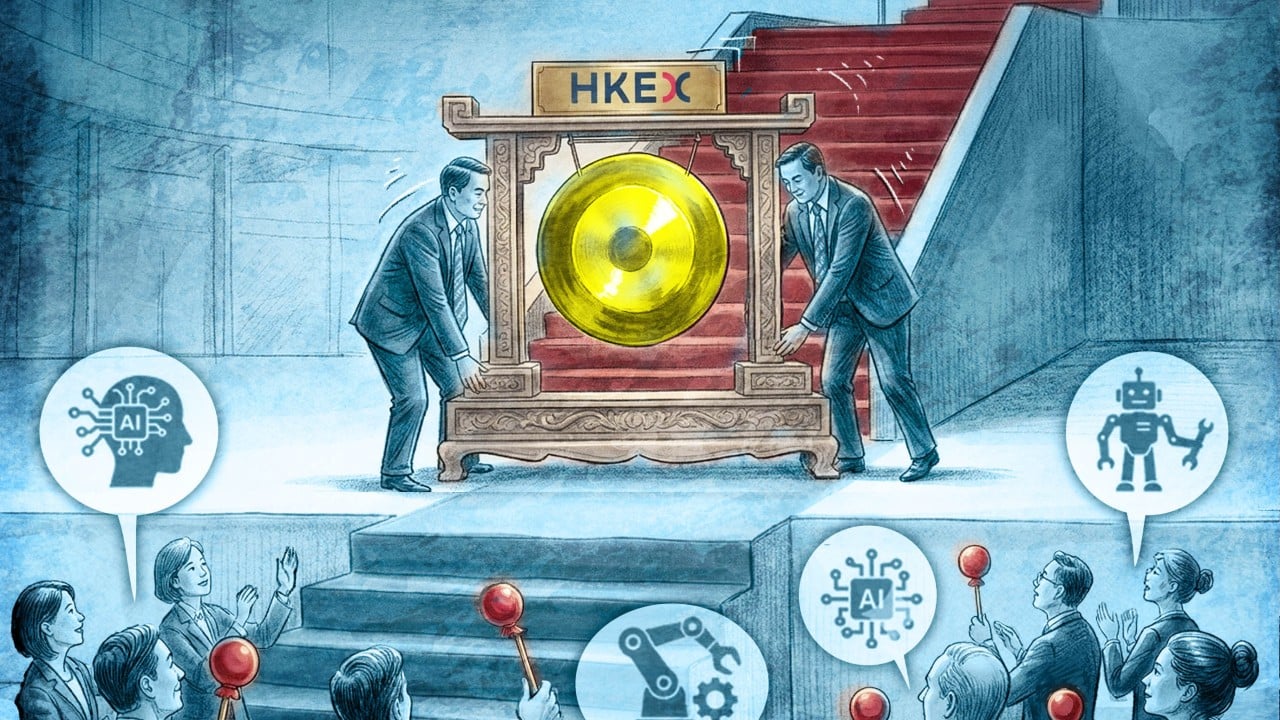
Hong Kong's stock exchange is desperately trying to find its mojo again. If you've been watching the Hang Seng lately, you know the vibe is tense. The city just rolled out what everyone calls "Listing Reform 2.0," specifically Chapter 18C, aiming to snag the next generation of tech giants. They're chasing "specialist technology companies"—the kind of firms that spend billions on R&D but haven't made a dime in profit yet. Think quantum computing, artificial intelligence, and green energy. But here's the cold truth: simply changing the rulebook doesn't mean the big players will show up.
The Hong Kong Exchanges and Clearing (HKEX) lowered the revenue bar because they had to. They saw the New York Stock Exchange and Nasdaq eating their lunch for a decade. They watched as mainland firms started looking at Singapore or even staying home in Shanghai. Reform 2.0 is a survival play. It's an admission that the old way of requiring years of fat profits doesn't work for the businesses defining the 2020s. But is it enough to outshine global rivals? Not yet. Learn more on a similar topic: this related article.
The 18C Gamble and the Revenue Problem
The heart of this new era is Chapter 18C. It targets five main sectors: next-generation IT, advanced hardware, advanced materials, new energy, and food and agriculture technologies. The goal is simple. HKEX wants to be the home for deep-tech companies that are too early-stage for traditional boards but too big for venture capital to carry alone.
There's a massive divide here. If you're a "Commercial Company"—meaning you actually have revenue—the threshold is 250 million HKD (about 32 million USD) for the prior year. If you're "Pre-Commercial," you don't need revenue at all, but you do need a market cap of at least 10 billion HKD. That’s a huge number. It’s a hurdle that only the elite "unicorns" can clear. Further reporting by The Motley Fool explores related perspectives on the subject.
This creates a weird paradox. Hong Kong wants to be more inclusive, yet it's setting a bar that's arguably higher than what you'd find on the Nasdaq Capital Market. In New York, you can list with a much smaller valuation if your growth story is right. Hong Kong is basically saying, "We want tech, but only if you're already a titan." That's not how you attract the scrappy innovators who become the next Nvidia. It's how you attract the leftovers of giant state-backed enterprises or massive conglomerates.
Why Nasdaq Isn't Losing Sleep
You can't talk about Hong Kong without looking at New York. Nasdaq is the gold standard for a reason. It's not just about the rules; it's about the ecosystem. When a tech firm lists in the US, they get access to a pool of analysts who actually understand complex technology. They get institutional investors who are comfortable with "burn rates" and decade-long timelines.
Hong Kong's investor base is different. It's historically dominated by retail investors and "old money" institutions that love banks, property developers, and insurance companies. These guys want dividends. They want stable earnings. If you show them a solid-state battery startup that won't see a profit until 2031, they'll likely run for the hills. Reform 2.0 changes the law, but it doesn't change the culture of the money sitting in the city.
I've seen this play out before. When Hong Kong allowed dual-class shares (the weighted voting rights that founders love), it did bring in Alibaba and Meituan. That was a win. But those were established giants. Trying to do the same with pre-revenue tech is a different beast entirely. Without a massive shift in how Asian funds value growth over earnings, 18C might just end up as a quiet corner of the exchange.
The Geopolitical Elephant in the Room
We have to be honest about the politics. You can't separate the HKEX from the broader relationship between China and the West. For a long time, Hong Kong was the "bridge." It was where Western capital met Chinese growth. That bridge is looking a bit shaky these days.
Many global funds are pulling back from China-exposed assets due to regulatory uncertainty and geopolitical friction. If you're a high-growth tech firm, you want a listing that gives you the highest possible valuation and the most liquidity. Right now, US markets offer that. Even with the audit disputes and the threat of delisting for Chinese firms in New York, the liquidity in the US is still miles ahead.
The HKEX is pitching itself as the "safe" alternative for Chinese firms. It's a "homecoming" destination. But being the "backup plan" isn't the same as outshining global rivals. To truly win, Hong Kong needs to attract non-Chinese firms. It needs a French biotech company or a Brazilian fintech firm to choose HKEX over Nasdaq. Under the current Reform 2.0, that seems like a pipe dream. The rules are heavily skewed toward the types of industries Beijing is prioritizing in its five-year plans.
Valuation Gaps and the Liquidity Trap
Let’s look at the numbers. Total IPO fundraising in Hong Kong has been on a rollercoaster, mostly heading down since the 2021 peak. When liquidity dries up, valuations tank. A company might be worth 10 billion HKD on paper, but if only three people are trading the stock, that valuation is meaningless.
Specialist tech firms need constant infusions of capital. They often do "follow-on" offerings after the IPO. If the secondary market in Hong Kong is dead, these companies can't raise more money to fund their R&D. That’s the "liquidity trap." You get listed, but you’re stuck.
In contrast, the US markets have deep pockets and high turnover. Even the London Stock Exchange is trying to revamp its rules to compete. Everyone is fighting for the same small pool of high-quality tech firms. Hong Kong’s 18C is a good start, but it feels like bringing a knife to a laser-tag fight. It's too focused on the entry requirements and not focused enough on what happens to the company after the opening bell rings.
What Needs to Change for 2.0 to Work
If Hong Kong actually wants to outshine rivals, it needs to stop acting like a gatekeeper and start acting like a partner. The current 18C rules require "Sophisticated Independent Investors" to be on board before the IPO. This is a smart move for safety, as it ensures some "smart money" has vetted the tech. But the requirements for these investors are incredibly rigid.
The exchange needs to relax the definitions of who can be a cornerstone investor. It needs to make it easier for global venture capital to exit through Hong Kong. Most importantly, it needs to bridge the gap between the mainland's "Southbound Link" and international investors. If mainland Chinese investors could easily buy 18C tech stocks, liquidity would skyrocket. That’s the "unfair advantage" Hong Kong has. But right now, the pipes are still too narrow.
Realities of the New Tech Era
Don't expect a flood of listings tomorrow. The first few companies to use 18C, like QuantumPhantom, are test cases. Everyone is watching to see how they're priced. If they debut and their share price falls 40% in a week, Chapter 18C is effectively dead on arrival.
You should also keep an eye on the "Advance Material" sector. This is where Hong Kong might actually have a shot. While the US is obsessed with software and SaaS, Asia leads in hardware and manufacturing tech. If HKEX can corner the market on the companies making the physical stuff—the sensors, the new alloys, the hydrogen components—they might find a niche that New York ignores.
Actionable Steps for Firms Considering a Listing
If you're at a specialist tech firm looking at these reforms, don't just read the headlines. You need to do the math on your valuation.
- Check your R&D spend. You need to have spent at least 15% of your total operating expenses on R&D for the three years prior to listing. If you've been lean, you're out.
- Audit your "Sophisticated Investors." You need two to five of these big players who own a significant chunk of your pre-IPO shares. Start those relationships years in advance.
- Evaluate your "Commercial" status. If you have revenue but it’s under that 250 million HKD mark, you’re in a no-man's land. You might be better off waiting or looking at the GEM (Growth Enterprise Market), though that's historically been a graveyard for liquidity.
- Look at your supply chain. If your customers and suppliers are primarily in the Greater Bay Area, Hong Kong makes sense. The "local" knowledge will help your valuation. If you're a global SaaS play, go to New York.
Hong Kong Listing Reform 2.0 is a necessary evolution, but it’s not a miracle cure. It makes the city a viable contender again, but outshining the competition requires more than just a lower revenue bar. It requires a total shift in how the city views risk. Until that happens, the Nasdaq is still the king of the hill. If you want to list in HK, do it for the strategic access to China, not because you think it's an easier ride than the US. It isn't.