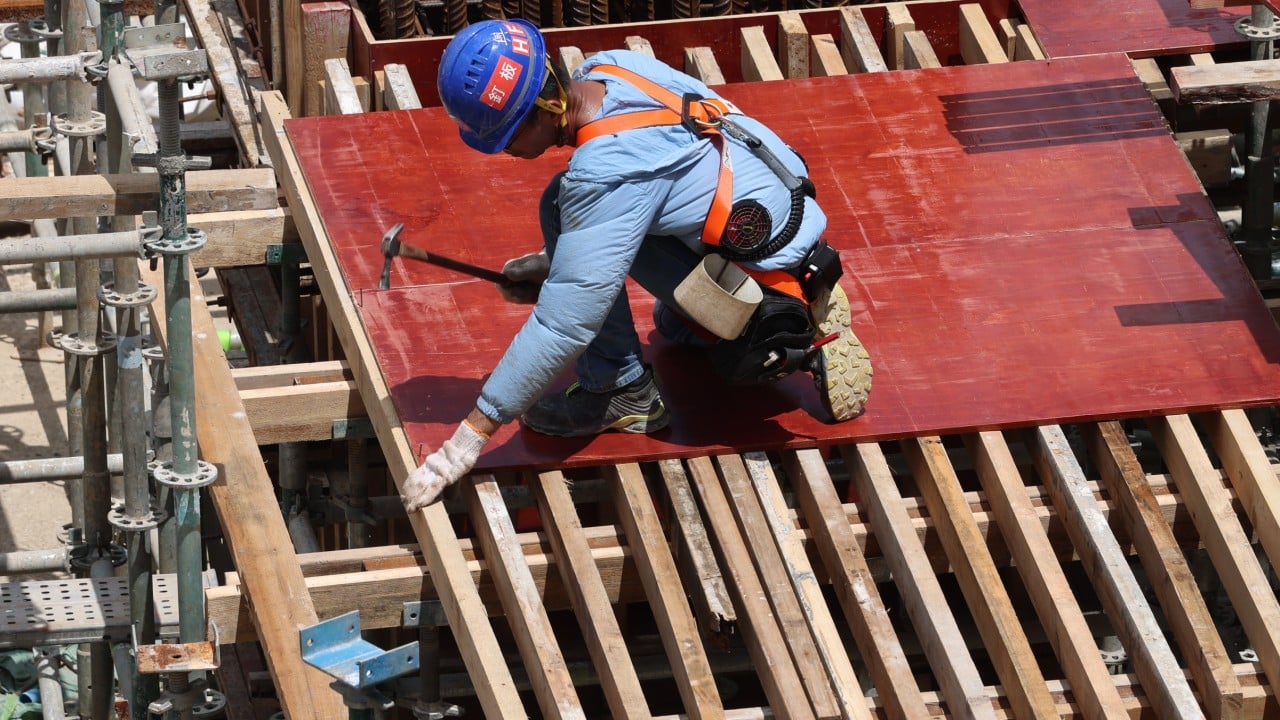
Hong Kong's summer isn't just hot. It's a suffocating blanket of humidity that turns a simple walk to the MTR into a sweat-soaked ordeal. For those working construction, cleaning streets, or hauling rebar on high-rises, this heat isn't an inconvenience. It’s a killer. The government’s recent move to expand heat stress monitoring isn't just another bureaucratic update. It's a long-overdue response to the reality that our old ways of measuring danger were broken.
The Labor Department is finally widening the net. By adding more weather stations and refined sensor data to the Heat Stress at Work warning system, the city is trying to bridge the gap between a general weather report and the brutal micro-climates of a concrete construction site. We’ve all seen the news reports of workers collapsing. Now, the data might actually keep up with the danger. Meanwhile, you can read related events here: The Geopolitical Friction of Moral Authority and National Interest.
Why the old heat warnings failed workers on the ground
Until recently, the system felt a bit too broad. If you're working in the middle of a sun-baked field in the New Territories, the conditions are worlds away from someone working under the shade of a bridge in Tsim Sha Tsui. The Hong Kong Observatory (HKO) and the Labor Department realized that "one size fits all" doesn't work when lives are on the line.
The core of the issue lies in the Wet Bulb Globe Temperature (WBGT) index. It's a fancy term for a metric that looks at more than just the mercury in a thermometer. It factors in humidity, wind speed, and solar radiation. That's vital because in Hong Kong, the humidity is what prevents your sweat from evaporating. When your sweat doesn't evaporate, your body can't cool down. You cook from the inside out. To understand the complete picture, check out the detailed analysis by NPR.
By expanding the number of monitoring points, the government is acknowledging that heat is local. We need hyper-local data to tell a foreman when it's time to force a break. Relying on a single reading from a station miles away was always a gamble.
Moving beyond the simple thermometer
Heat stress monitoring in 2026 isn't just about sticking a pole in the ground. The expansion involves integrating more automated weather stations into the specialized Heat Stress at Work Warning system. This matters because the "Heat Stress" warning—Amber, Red, or Black—triggers specific legal and recommended obligations for employers.
When an Amber warning hits, it doesn't mean "keep an eye out." It means certain high-intensity tasks need to stop or incorporate mandatory rest periods. The problem was always the lag. By the time the warning was broadcast, workers had often been baking in 34-degree heat for an hour already. More sensors mean faster updates. It means the system reacts to a sudden spike in solar intensity or a drop in wind speed in real-time.
I've talked to site safety officers who used to rely on their gut feeling. They'd see a guy staggering and call a break. That’s too late. The expanded monitoring aims to make the decision data-driven. It takes the "tough it out" culture out of the equation. If the sensor says the WBGT is too high, the work stops. Period.
The legal teeth behind the data expansion
Let’s be real. Construction companies don't stop work because they're feeling nice. They stop because they're afraid of the Labor Department or a massive insurance payout. The expanded monitoring provides a more accurate "source of truth" that’s harder for employers to dispute.
Under the current guidelines, employers are required to conduct risk assessments. If the monitoring shows a Black warning, almost all outdoor work should cease unless there are extreme mitigation measures like industrial-grade misting fans and air-conditioned rest breaks.
The expansion makes it harder for shady contractors to claim they "didn't know" it was that hot. If there's a sensor three blocks away showing extreme conditions, the "I thought it was fine" excuse disappears. We're seeing a shift from "guidelines" toward something that feels much more like a mandate.
What the sensors don't tell us
Even with the best tech, there are gaps. Sensors don't account for the gear. If you're wearing full PPE, a reflective vest, and a hard hat, your personal heat index is probably 5 to 10 degrees higher than what the station records.
The Labor Department's guidelines do try to account for this with "adjustment factors." They suggest adding "degrees" to the recorded temperature based on the type of clothing. But honestly, it’s still an estimate. The expanded monitoring is a massive step forward, but it’s the floor, not the ceiling.
Workers still need to be their own best advocates. If you feel dizzy, the sensor doesn't matter. Your body is giving you a Black warning before the HKO does.
Practical steps for managing the heat right now
If you're managing a crew or working outside, don't wait for the official Amber warning to pop up on your phone. The system is better now, but you should be proactive.
- Check the "Hong Kong Observatory" app every hour. Look specifically for the WBGT readings, not just the temperature.
- Set up "Cooling Stations" that are actually cool. A tent in the sun is just a sauna. You need fans and, ideally, some form of active cooling like ice packs or misting.
- Hydrate with electrolytes. Water isn't enough when you're losing liters of sweat. You need salt.
- Rotate the "Heavy" shifts. The most grueling work—like manual digging or heavy lifting—should happen in twenty-minute bursts followed by a shaded rest.
The expansion of Hong Kong's heat stress monitoring is a win for the people who actually build this city. It’s about time the tech caught up to the environment. The government’s move to increase the density of these sensors means fewer "blind spots" where a worker could suffer in silence while the official stats say everything is fine. Keep your eyes on the warnings, but keep your eyes on your coworkers even closer. No job is worth a heatstroke. Stay smart and stay hydrated.