The Great Pearl River Deflection
Hong Kong’s retail establishment is panicking over the wrong metric.
When regional headlines trumpet rising cross-border credit card swipes in Shenzhen, local landlords and legacy retailers wring their hands over currency fluctuations. They blame the strong Hong Kong dollar. They blame cheap Mainland labor. They frame the mass weekend exodus to Shenzhen as a temporary economic anomaly—a fleeting weekend thrill that will subside once exchange rates balance out.
They are lying to themselves.
The surge in Hong Kong residents spending their Saturdays buying grocer items at Sam's Club in Shenzhen or dining in Luohu isn't a currency play. It's a consumer revolt.
For three decades, Hong Kong’s retail sector operated as a protected oligopoly. Developers extracted extortionate rents, merchants squeezed margins out of cramped square footage, and customers endured indifferent service because they lacked a viable alternative. Now, high-speed rail lines and streamlined border checks have flattened the moat.
When a Hong Konger boards the train to Shenzhen, they aren't looking to save 15% on a hotpot dinner. They are escaping a broken value proposition.
The Math Behind the Migration
Let's dismantle the consensus view that this spending shift is driven purely by macroeconomics.
The conventional narrative claims that the pegged Hong Kong dollar makes local prices artificially high while the onshore Yuan makes mainland goods dirt cheap. If that were the sole driver, consumers would stick to buying commodities online via Taobao or Pinduoduo. Shipping takes 24 hours. The prices are identical.
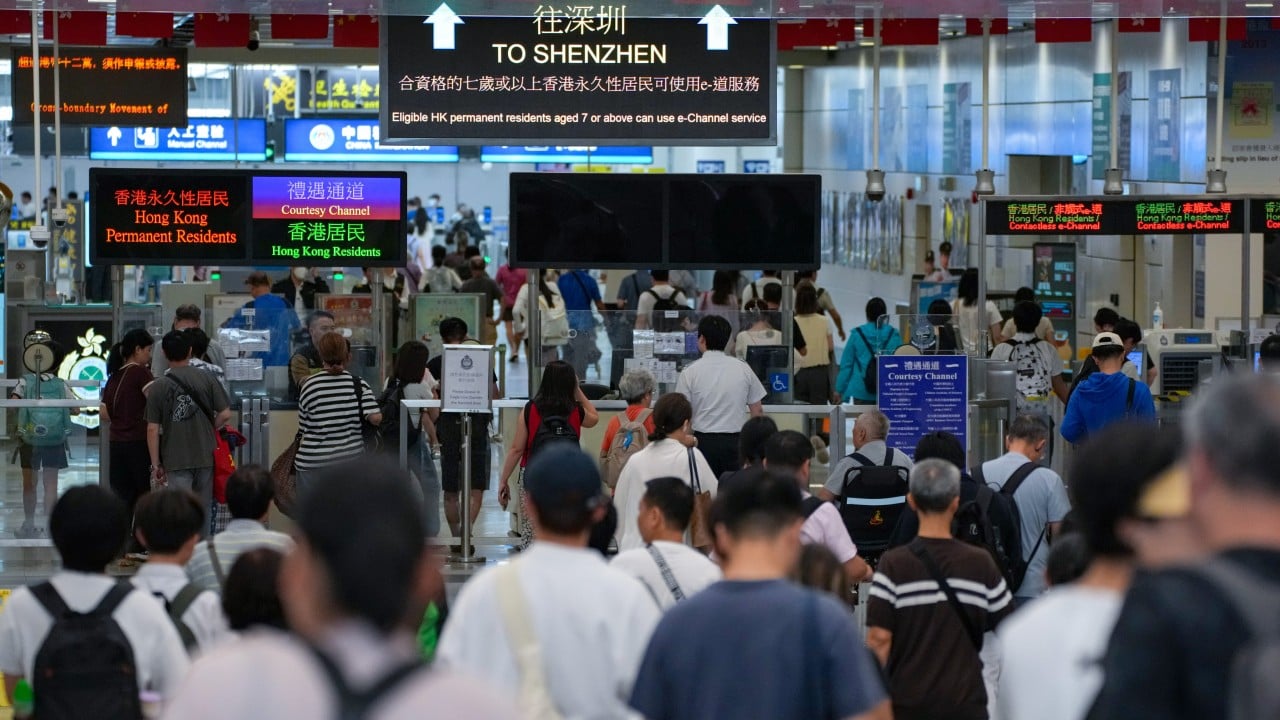
Yet hundreds of thousands of people manually clear customs every single weekend. Why?
The Real Value Friction
| Metric | Central / Causeway Bay Retail | Shenzhen Futian / Luohu Retail |
|---|---|---|
| Average Dining Space | Elbow-to-elbow, 45-minute table turn strict limits | Spacious booths, no artificial time limits |
| Service Model | Transactional, rushed, high cover charge | Hospitality-focused, tech-enabled customization |
| Perceived Value | Marked up 300% to cover landlord rent | Value-engineered for volume and scale |
| Customer Sentiment | Exploited for physical presence | Valued for lifetime engagement |
I've watched commercial real estate executives in Central rationalize empty storefronts by claiming "foot traffic will return when the border buzz fades." I’ve sat in boardrooms where retail directors treat Shenzhen's modern malls as cheap knockoffs rather than superior operational models.
This head-in-the-sand approach is destroying equity. Shenzhen didn't just win on price; it won on experience design and logistical scale while Hong Kong rested on its duty-free laurels.
People Also Ask: Isn't Quality Worse Across the Border?
That question belongs in 2012.
The belief that Hong Kong retains an ironclad monopoly on food safety, high-end design, and customer trust is an outdated coping mechanism. China’s domestic supply chains matured rapidly over the last decade. The modern Shenzhen shopping complex is not a dusty bazaar; it is a hyper-optimized retail laboratory.
When consumers cross the border today, they find:
- Supply Chain Directness: Fresh produce and meats sourced from the exact same regional agricultural hubs, but served at a fraction of the middleman markup.
- Operational Execution: High-volume dining operations utilizing advanced automation, clean-room kitchens, and transparent prep areas.
- Space as an Amenity: Generous floor plans where families can sit without feeling like they are occupying a airline middle seat.
The quality argument was the final shield of the Hong Kong incumbent. With that shield shattered, the value gap stands completely exposed.
The Rent Extraction Trap
Hong Kong’s retail crisis isn't an import problem. It’s a real estate cartel problem.
For years, commercial landlords priced retail rent based on peak mainland tourist spending. When Chinese mainland shoppers flocked to Canton Road to purchase luxury handbags, developers raised square-foot leases to astronomical heights. Local businesses had two choices: cut quality or shrink footprints.
They did both.
Restaurants shrank table sizes, slashed portion sizes, and implemented aggressive turnover rules. Retailers packed shelves to the ceiling, eliminating walking space. The ultimate casualty was the domestic Hong Kong consumer, who paid world-class prices for a third-tier physical experience.
Landlord Demands Peak Rent ➔ Retailer Squeezes Space & Service ➔ Value Drops ➔ Consumer Flees Cross-Border
Shenzhen operates under a completely different real estate dynamic. Land is allocated with scale in mind. Developers build multi-use entertainment ecosystems rather than hyper-dense vertical shopping boxes. Because rent per square meter is manageable, mainland merchants can invest in customer service training, spatial comfort, and aggressive pricing.
Hong Kong retailers aren't losing to better entrepreneurs; they are losing to their own landlords.
The Hard Truth for Incumbent Brands
If you run a consumer business or hold commercial assets in Hong Kong, traditional playbooks will fail you. Discounting by 10% won't stem the bleeding. Hosting flash sales won't change spatial reality.
Admitting the downside of this reality is painful: Hong Kong retail can never beat Shenzhen on pure price or physical space. The land geography and labor cost structure make parity mathematically impossible.
To survive, local businesses must execute a complete operational pivot.
1. Stop Selling Products; Start Selling Immediate Convenience
If a consumer can plan a purchase 24 hours in advance, they will buy it online or across the border. Local retail only wins on immediate, high-friction, impulse-driven demand. If your business depends on scheduled weekly grocery hauls, you have already lost.
2. Force Landlords to the Table via Revenue-Share Leases
Fixed-rate, sky-high rents are a relic of a monopoly era. Retail tenants must refuse multi-year fixed leases and demand performance-linked structures. Force the property owners to absorb the macro risk they created.
3. Abandon the "Luxury Tourist" Delusion
Mainland tourists aren't coming to Hong Kong to buy goods they can now buy tax-free in Hainan or at lower prices in their home cities. The era of passive luxury arbitrage is dead. Focus on local retention by building actual service culture rather than relying on walk-in foot traffic.
The Arbitrage Era Is Over
The steady stream of commuters boarding the MTR toward Futian every Saturday morning isn't a statistical glitch. It is the invisible hand of the market correcting decades of real estate overreach.
Hong Kong built a commercial environment that treated its own population as a captive audience. The border infrastructure destroyed the cage. Now, local businesses face a simple choice: dismantle their legacy cost structures and re-engineer the consumer experience, or continue watching their revenue ride the rail north every single weekend.
The money isn't disappearing. It's just leaving the island.