The Pacific Ocean is currently boiling. Weather agencies across the globe are sounding alarms over a rapidly forming climate pattern that could shatter historical benchmarks. The UK Met Office and the National Oceanic and Atmospheric Administration point to an undeniable reality: a monster El Nino event is taking shape. It is tracking to become the strongest in living memory. When you stack this massive natural heat pump on top of a planet already warming from human emissions, the math points straight toward 2027 becoming the hottest year humanity has ever recorded.
Stop thinking of El Nino as a routine weather blip. It is a massive rearrangement of global heat and ocean currents.
The Mechanics of a Super El Nino
El Nino occurs when trade winds over the equatorial Pacific weaken or reverse course. Warm water that usually pools near Asia surges eastward toward the Americas. Right now, sea surface temperatures in key monitoring regions are already climbing more than 2°C above normal. Beneath the surface, water temperatures at a depth of 100 meters sit roughly 8°C above normal. That subsurface heat acts like an underground reservoir of liquid fire, feeding the surface anomalies as they approach their peak.
Adam Scaife, head of long-range forecasting at the UK Met Office, put it bluntly to the BBC: people should understand this is an unprecedented event, noting he has never seen an El Nino signal this intense in predictive models. NOAA's Climate Prediction Center echoes that assessment, giving a greater than 90 percent chance for a very strong event through the fall and winter.
Why 2027 Bears the Brunt
If you wonder why the peak heat lands in 2027 rather than right now, look at the lag effect. El Nino events typically peak during the Northern Hemisphere's winter months. However, the massive transfer of heat from the Pacific Ocean into the atmosphere takes time to circulate globally. The thermal hangover usually hits hardest during the calendar year following the winter peak.
Global temperatures have already climbed roughly 1.4°C above pre-industrial levels. Factor in the extra atmospheric energy dumped by a historic El Nino, and climate scientists like Nick Dunstone at the Met Office state that 2027 is very likely to overtake 2024 as the hottest year on record.
Global Disruptions Already Underway
You don't have to wait until next year to see the fingerprints of this phenomenon. The ripple effects are tearing through regional climate systems right now:
- India's southwest monsoon is recording below-average rainfall totals as dry anomalies take hold.
- Atlantic hurricane activity has faced heavy suppression, yielding a surprisingly low number of named storms early in the season due to hostile wind shear patterns.
- Southern California and parts of the southern United States face mounting warnings for torrential winter rains, coastal erosion, and mudslides.
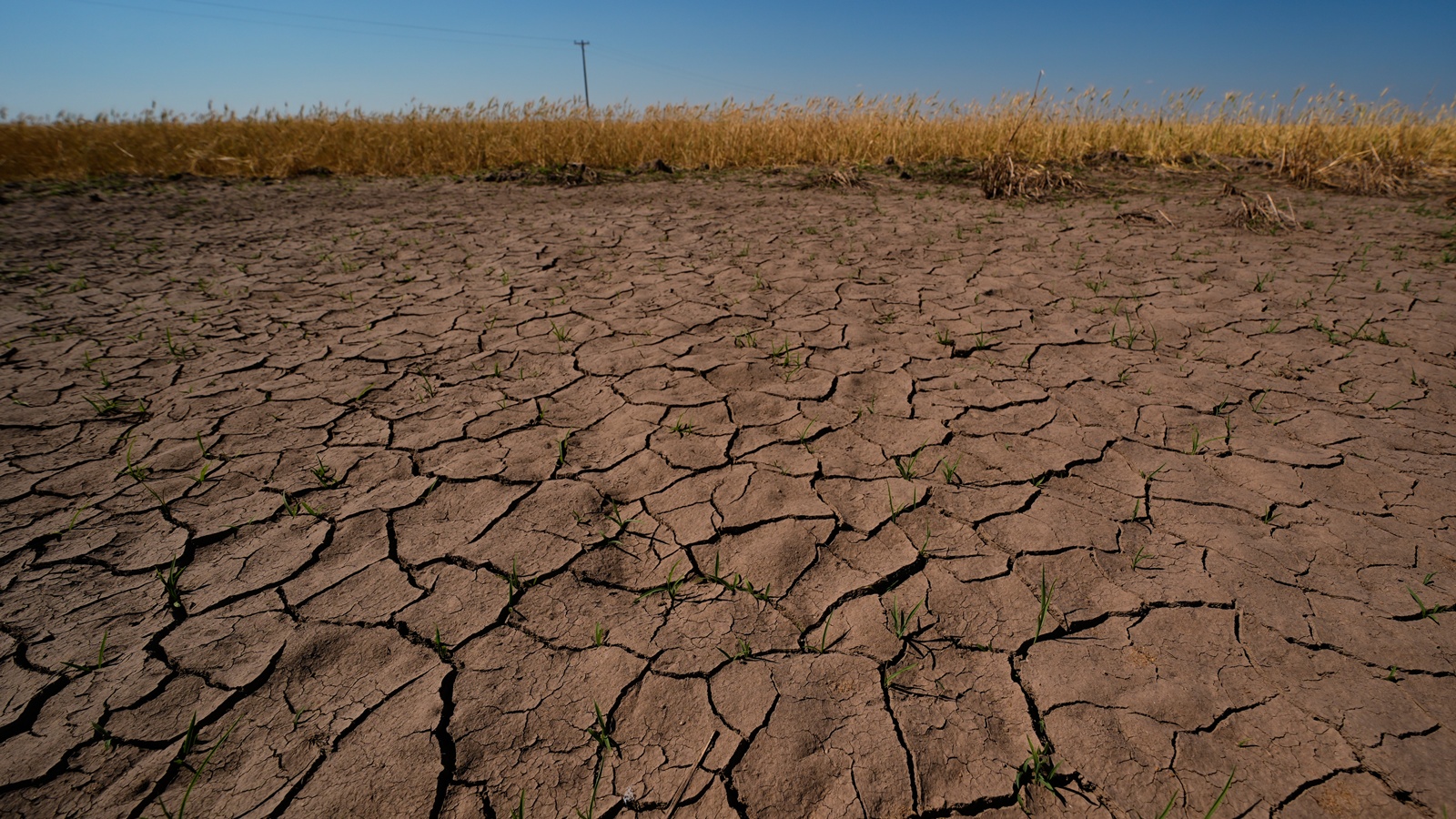
- Parts of South America and Australia brace for acute drought risks and agricultural strain.
Food supply chains are already reacting. Historical precedent shows that severe El Nino cycles hammer staple crops like coffee, rice, and cocoa. The United Nations Food and Agriculture Organization warns that vulnerable populations across developing nations face heightened food insecurity as these weather shocks cascade through global markets.
What You Need to Do Now
Ignore the noise and focus on practical readiness. If you live in regions prone to heavy winter storms and flooding, such as parts of the western United States, check your property drainage and secure emergency kits before late autumn rains arrive. If you manage supply chains or investments tied to agriculture, expect commodity price volatility as harvest yields adjust to regional droughts. Governments and municipal planners have a small window to reinforce infrastructure against extreme weather extremes before the peak arrives. Pay attention to local meteorological updates rather than generalized forecasts, and prepare for a volatile few years ahead.