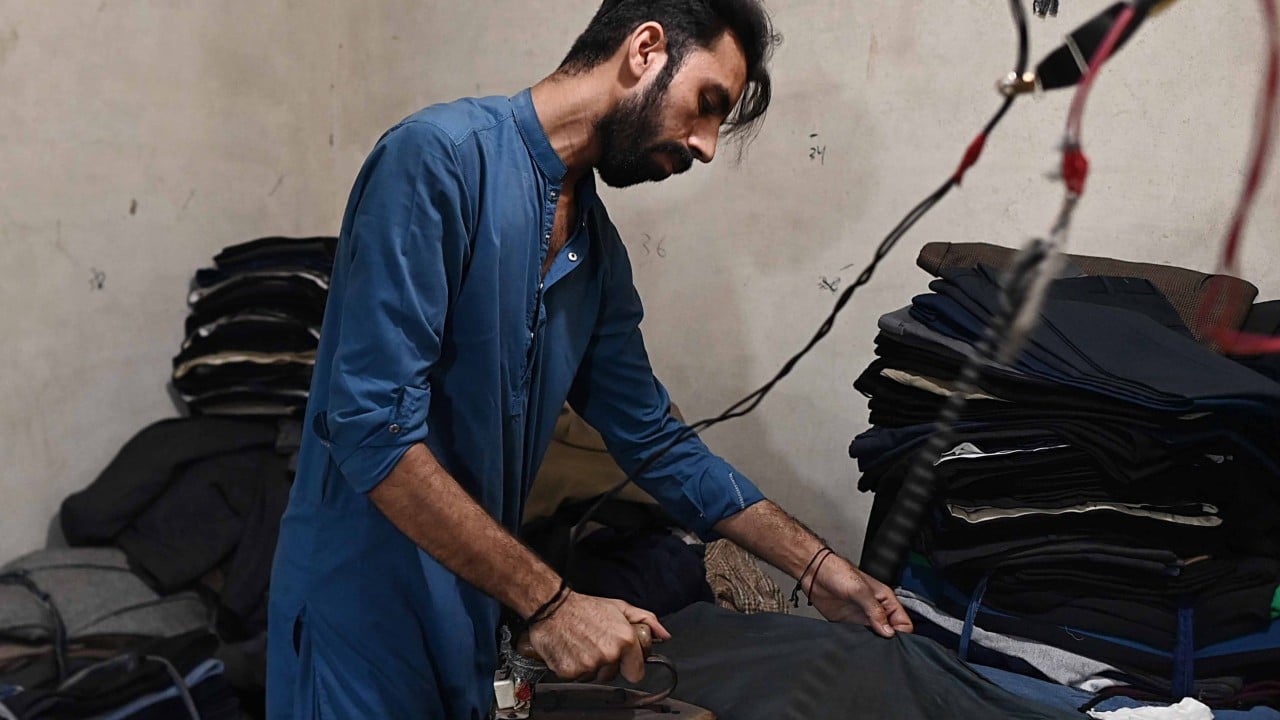
The air inside the concrete warehouse does not move. It hangs heavy, thick with the scent of synthetic dyes, cotton dust, and the sharp, metallic tang of industrial sewing machines running at full capacity for ten hours straight.
Outside, the sun beats down on the outskirts of Lahore, pushing temperatures past forty degrees Celsius. Inside, there is no air conditioning. There are only rows of gray metal tables, piles of colorful fabric destined for shopping malls thousands of miles away, and the rhythmic, deafening clatter of needles piercing denim and jersey.
Most shoppers never see this room. When you pull a soft cotton tee or a trendy pair of jeans off a retail rack, you see a clean price tag, a size label, and a promise of effortless style. You do not see the fluorescent bulbs flickering above a row of tired eyes. You do not hear the hum of a generator straining against the grid's constant blackouts.
Yet, every single garment carries a quiet, invisible history. It is a story written in sweat, rigid deadlines, and the quiet resilience of workers who stitch together the modern wardrobe while living on the economic edge.
To understand how a shirt travels from a rural farm to a global storefront, you have to look past the glossy marketing campaigns of international fast-fashion giants. You have to look at the machinery of global supply chains.
The Weight of a Stitch
Dawn arrives early in industrial districts. By seven in the morning, thousands of workers pour through the iron gates of textile manufacturing plants. Many have traveled an hour or more on crowded buses or motorbikes, navigating dusty roads before the morning heat peaks.
Inside the factory floor, the atmosphere is intensely operational. Supervisors walk the aisles with clipboards, tracking hourly output. Every minute matters. If a shipment of fifty thousand cotton shirts misses its cargo flight to Europe or North America, financial penalties cascade down the line. Those penalties are rarely absorbed by the multinational brands sitting at the top of the pyramid. Instead, the pressure trickles down to the factory floor, squeezing timelines and lengthening shifts.
Consider the math of modern apparel manufacturing. A shirt that sells for thirty dollars in a Western boutique might cost a fraction of that to produce. The margin pays for shipping, marketing, retail space, corporate profits, and design. The portion allocated to labor is meticulously calculated to keep retail prices low enough to satisfy bargain-hunting consumers.
This economic model relies on high volume and low overhead. For the workers, that means long hours under immense pressure.
"You stop thinking about the fatigue after the first three hours," says one veteran machine operator who asked to remain anonymous to protect her job. She has spent twelve years guiding fabric under buzzing needles. "Your hands just move. Fold, align, stitch, trim. Fold, align, stitch, trim. By evening, your back feels like it is made of stone."
The Heat Beneath the Seams
Safety regulations exist on paper, but enforcement varies wildly across the thousands of independent sub-contractors that supply global brands. In some facilities, modern ventilation systems keep the air circulating. In others, rusted ceiling fans push hot air around without cooling it down.
During the peak summer months, heat exhaustion is a constant hazard. Workers drink lukewarm water from plastic jugs kept near the exits, grabbing quick sips between batches. Accidents happen when focus slips. A momentary lapse in concentration near a high-speed needle can result in painful injuries. While major brands tout rigorous auditing programs and ethical sourcing codes, the reality on the ground often reveals a gap between corporate pledges and daily factory floors.
Auditors sometimes announce their visits weeks in advance. When the inspectors arrive, safety gear is worn, fire exits are cleared, and work hours are strictly logged. Once the auditors leave, production targets snap back to their relentless baseline.
It is easy to blame the consumer for wanting cheap clothes, but the reality is more complex. Modern retail has trained shoppers to expect constant novelty. New collections drop every week. Trends cycle in days rather than seasons. To fuel this velocity, supply chains must operate at breakneck speeds, shifting the burden onto the countries where labor is cheapest and environmental regulations are most easily bypassed.
The Environmental Footprint Left Behind
The human cost is only half the ledger. Textile production is resource-intensive. Cotton requires massive amounts of water in regions where water is already scarce. Once harvested, the raw fibers are spun, bleached, and dyed.
The wastewater from industrial dyeing facilities often contains heavy metals, synthetic fixatives, and toxic chemicals. In many industrial hubs, basic water treatment plants are either outdated or non-existent. Untreated effluent flows directly into local rivers and agricultural canals, discoloring the water and contaminating the soil used by nearby farmers to grow crops.
A farmer living downstream from a textile cluster notices the change first. The water turns a strange shade of blue or purple. Fish disappear from the streams. Cattle that drink from the canals grow sick. The global demand for affordable fashion ripples outward, touching ecosystems and communities that have no connection to the shopping malls of New York, London, or Tokyo.
Yet, change is stirring. A growing number of consumers are starting to ask uncomfortable questions about where their clothes come from. Transparency is no longer just a nice-to-have marketing angle; it is becoming a battleground for consumer loyalty.
A Shift in Perspective
Change rarely happens overnight, but pressure is mounting from multiple directions. International labor advocates continue to shine a light on factory conditions, forcing brands to map their supply chains further down than ever before. Technology is also playing a role, with blockchain-based tracking systems offering verifiable proof of where cotton was grown and who stitched the seams.
Some forward-thinking brands are experimenting with circular fashion models, using recycled fibers, paying living wages, and investing in energy-efficient machinery that cuts down both emissions and operating costs. But these initiatives remain a fraction of the global market. The vast majority of apparel is still produced under the old model of maximum speed and minimum cost.
The next time you hold a piece of clothing in your hands, take a moment to look beyond the brand name on the label. Think about the hands that guided the fabric, the heat of the warehouse, and the invisible web of logistics that brought it across oceans to your doorstep.
The clothes we wear are more than fabric and thread. They are physical manifestations of a global economic system. Understanding that system is the first step toward demanding something better.
The machinery in Lahore will start up again tomorrow morning before dawn. The needles will hum. The fabric will move. And the choices made by shoppers thousands of miles away will continue to shape the lives of people they will never meet.