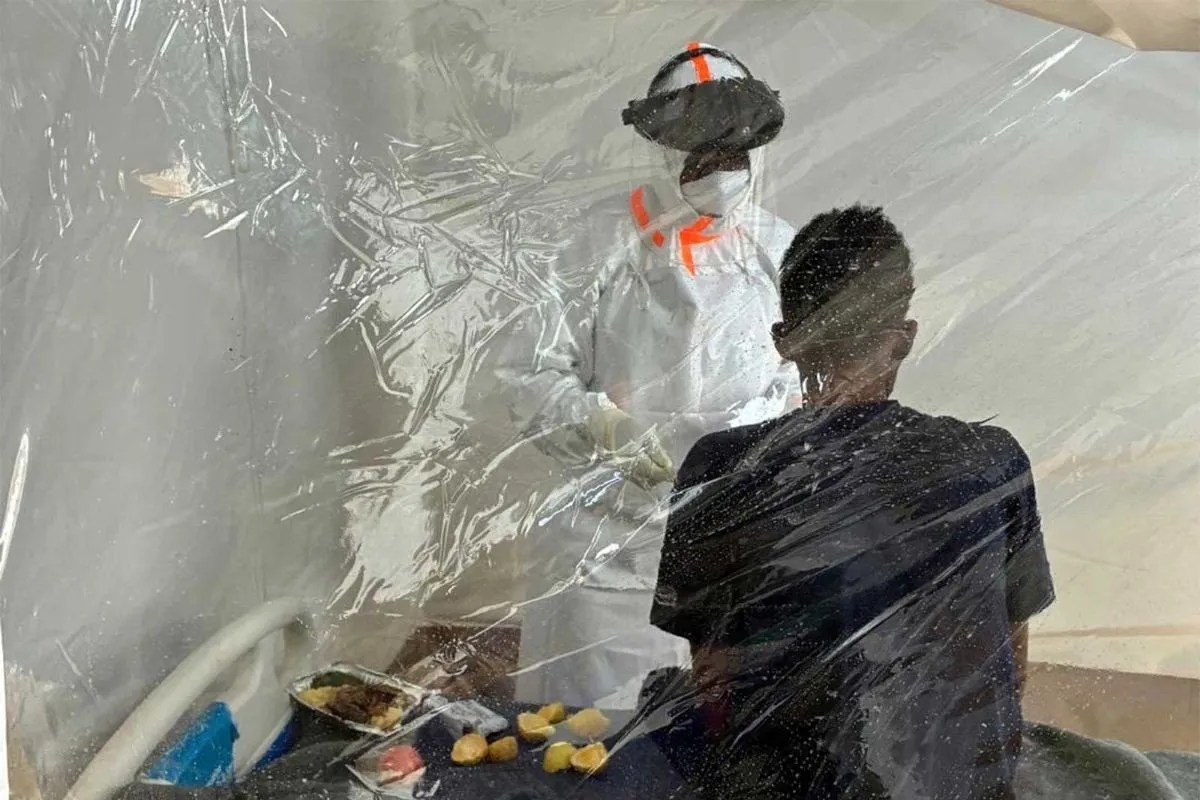
The wait is over for a massive chunk of the Canadian medical community. On May 4, 2026, Health Canada officially greenlit Kisunla (donanemab), making it the second drug in the country's history authorized to actually slow down the progression of Alzheimer’s disease rather than just masking the symptoms.
If you've been following the news, you know this follows the October 2025 approval of Leqembi. But Kisunla isn't just a "me-too" drug. It brings a completely different logic to how we treat dementia. For the first time, we're looking at a "treat-to-target" model where patients might actually get to stop taking the drug once it does its job.
What Kisunla actually does to the brain
Alzheimer’s is famous for amyloid plaques—sticky protein clumps that gunk up the space between neurons. Think of these plaques like trash blocking a hallway; eventually, nobody can get through, and the whole system shuts down.
Kisunla is a monoclonal antibody that goes in like a specialized cleaning crew. It finds those specific amyloid-beta plaques and triggers the immune system to haul them away. In the TRAILBLAZER-ALZ 2 clinical trials, this "cleaning" was so effective that some patients cleared their plaque levels to near-normal within six months.
The real kicker? Unlike most chronic medications you take forever, Kisunla allows for a "stop date." Nearly half of the trial participants were able to finish their course of treatment within 12 months because the plaques were gone. That’s a massive win for both the patient’s lifestyle and the healthcare system’s wallet.
The numbers you need to know
Let’s get into the weeds of the data because "slowing down" can sound vague. The trials showed that Kisunla slowed clinical decline by about 35% in people with early symptomatic Alzheimer’s.
To put that in perspective, we’re talking about a delay of roughly 4.5 to 7.5 months in the progression of symptoms over an 18-month period. That doesn't sound like much until you're the one trying to remember your grandkids' names or keep your driver's license for one more summer.
- Risk reduction: Patients had a 39% lower risk of progressing to the next stage of the disease.
- Maintenance of independence: The drug specifically helped people keep doing daily tasks like managing finances, using appliances, and engaging in hobbies.
- Plaque clearance: After 18 months, amyloid plaque was reduced by an average of 84%.
Who can actually get this treatment
Don't rush to the pharmacy just yet. This isn't a pill, and it's not for everyone with memory loss. Health Canada has been very specific about the criteria.
You generally need a diagnosis of Mild Cognitive Impairment (MCI) or mild dementia due to Alzheimer’s. If the disease has already progressed to the moderate or severe stage, the drug won't help. The damage to the brain is already too extensive for plaque removal to make a functional difference.
There’s also a genetic component. The drug is indicated for people who are ApoE ε4 heterozygotes or non-carriers. If you’re a "homozygote" (meaning you have two copies of the ApoE ε4 gene), you’re at a much higher risk for side effects, and the drug isn't currently recommended for you in Canada. You’ll need a PET scan or a lumbar puncture to prove the amyloid is actually there before a doctor will even consider the script.
The safety conversation nobody likes to have
I’m not going to sugarcoat it—this drug carries risks. The most common issue is ARIA (Amyloid-Related Imaging Abnormalities). This is basically brain swelling or small bleeds that show up on an MRI.
About 24% of people on Kisunla experienced brain swelling (ARIA-E). Most of the time, people didn't even feel it, and it went away on its own. However, roughly 6% had symptoms like headaches, confusion, or dizziness. In very rare cases, ARIA can be life-threatening. This is why you can't just get the infusion and go home; you'll be getting regular MRIs to make sure your brain isn't reacting poorly to the "cleaning" process.
The battle for coverage and cost
Now for the elephant in the room: how do we pay for it? In the US, the list price for Kisunla is around $32,000 USD per year. In Canada, we’re looking at similar ballparks, likely north of $40,000 CAD before any provincial negotiations.
Even though Health Canada says the drug is safe and effective, that doesn't mean it's free. We saw this with Leqembi—the Canadian Drug Expert Committee (CDEC) initially pushed back on universal reimbursement because of the high price tag.
You’ll likely see a fragmented landscape for a while. Some private insurance plans will cover it. Some provinces might offer it through special access programs. But for the average Canadian, getting this covered is going to be the next big hurdle.
Kisunla vs Leqembi
You might be wondering which one is better. Honestly, we don't have a head-to-head trial yet, so any doctor who tells you one is "definitely" better is guessing. But there are logistical differences:
- Frequency: Leqembi is usually every two weeks. Kisunla is once a month.
- Infusion time: Kisunla infusions are faster—about 30 minutes versus an hour for Leqembi.
- Duration: You stay on Leqembi indefinitely. With Kisunla, you stop once the PET scan shows your brain is clear of plaque.
That last point is the big one. The idea of "finishing" Alzheimer's treatment is a psychological and financial shift we haven't seen before.
What you should do now
If you or a loved one are noticing early signs of memory loss, don't wait for the news cycle to settle. Time is literally brain cells here.
Start by asking your GP for a referral to a neurologist or a memory clinic. You specifically need to ask for amyloid testing. Without a confirmed amyloid-positive scan or spinal fluid test, you won't be eligible for Kisunla or Leqembi.
Check your private insurance policy. Look for "biologics" or "monoclonal antibodies" coverage. If you're in a province like Ontario or BC, keep a close eye on the provincial formulary updates over the next three to six months. This is a fast-moving situation, and the "hopeful milestone" only matters if you can actually get the drug into your bloodstream.