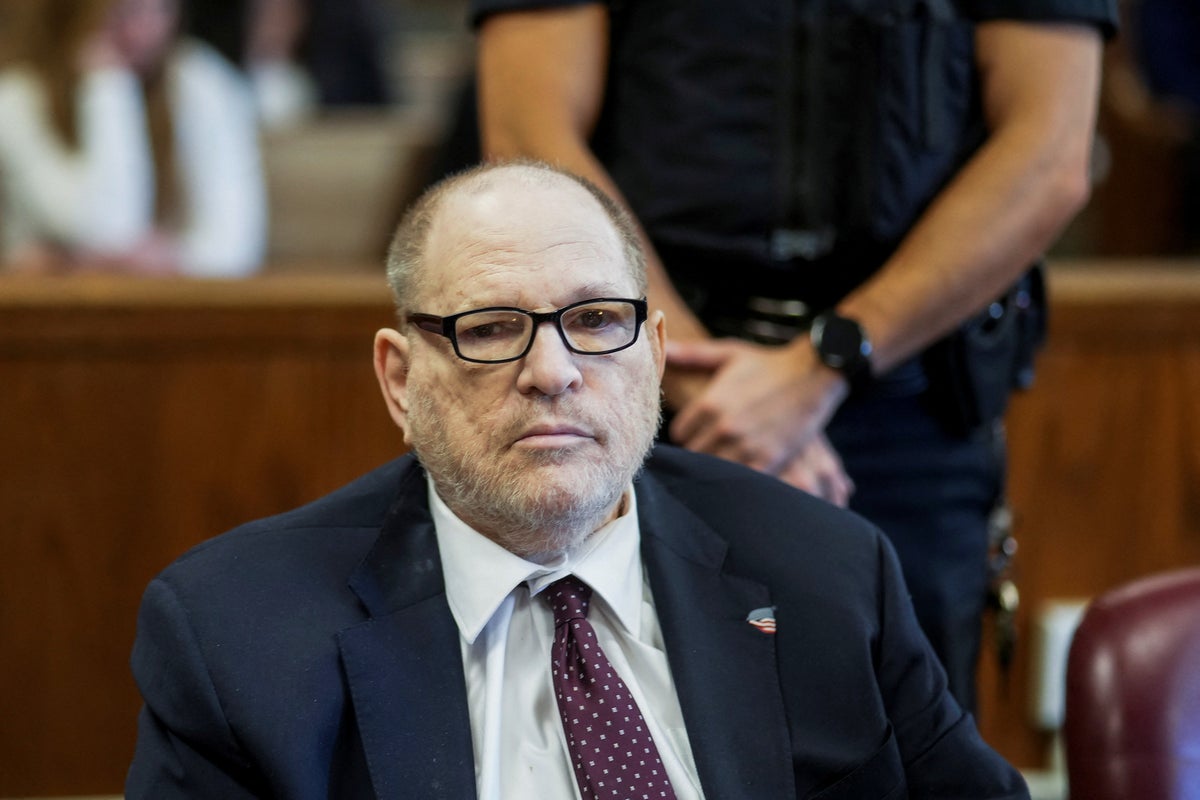
You’d think the Harvey Weinstein saga would have ended years ago. We’ve seen the headlines, the handcuffs, and the dramatic falls from grace. Yet here we are in May 2026, and the legal machinery is still grinding away in a Manhattan courtroom. This week, Harvey Weinstein’s lawyers pushed for an acquittal as his latest rape retrial reached a boiling point. It’s the third time a jury has been asked to weigh in on a single 2013 hotel room encounter, and the stakes couldn’t be higher for the legacy of the #MeToo movement.
The prosecution paints a picture of a predator who used his massive industry influence to trap women. The defense says it's all about "regret," not rape. It’s a familiar script, but the nuances in this 2026 trial suggest that the legal battleground has shifted significantly.
The Defense Strategy to Kill the Case
Marc Agnifilo, Weinstein’s lead attorney, didn't pull any punches during closing arguments on Tuesday. He looked the jury in the eye and called the accuser's story a "false narrative." That’s a bold move, but it’s the core of their push for acquittal. The defense team argues that the relationship between Weinstein and the accuser, Jessica Mann, was one of mutual benefit and emotional closeness, not fear and coercion.
They’re leaning heavily on digital footprints—emails and messages from years ago that show a friendly, even affectionate connection. Agnifilo’s argument is basically this: you don’t send "I love you" emails to someone who raped you. He’s trying to convince the jury that Mann is "recasting" a consensual, albeit messy, relationship to fit the modern #MeToo era.
Why This Trial Feels Different
If you've followed this case since 2017, you'll notice this trial is much leaner. Gone are the days of a "parade" of witnesses testifying about uncharged crimes to show a pattern of behavior. The 2024 reversal of Weinstein’s original New York conviction happened because an appeals court ruled that those extra witnesses—known as Molineux witnesses—prejudiced the jury.
Now, the prosecution has to play it straight. They’re focusing almost exclusively on the specific counts regarding the 2013 incident. This makes the case a "he-said, she-said" battle in its purest, most difficult form.
- The Power Dynamic: Assistant District Attorney Candace White told jurors the case is about "power, control, and manipulation." She argues that Weinstein didn't need a weapon because his status was the weapon.
- The Defense Pivot: The new legal team is also defending Luigi Mangione—the guy accused in the 2024 UnitedHealthcare CEO shooting. They’re experts at handling high-pressure, high-profile cases and they’re not being shy about attacking the credibility of the accusers.
- The Health Factor: Weinstein appeared in court gaunt, often in a wheelchair. His lawyers use this physical frailty to humanize him, perhaps hoping for a sliver of jury sympathy that didn't exist in 2020.
The Jury Deadlock Ghost
Don't forget that last year’s attempt at this retrial ended in a mistrial because the jury couldn't agree. One juror reportedly refused to even deliberate, causing a feud in the jury room. That’s why the defense is so aggressive right now. They know that if they can just get one or two people to doubt the story, Weinstein walks on this specific charge.
Honestly, the prosecution has a mountain to climb. Without the supporting testimony of other victims to bolster Mann's account, they have to rely on her memory and the jury's ability to understand the complex psychology of trauma.
What Happens if He Is Acquitted
Let's be clear: an acquittal here doesn't mean Harvey Weinstein goes home for dinner. He’s still serving a 16-year sentence in California for a separate rape conviction. He’s also facing other charges in New York. However, a "not guilty" verdict in this specific retrial would be a massive symbolic blow. It would signal that the legal system is pulling back from the broad, pattern-based prosecutions that defined the early days of #MeToo.
The 2026 Legal Landscape
The world has changed since 2017. In 2026, we have new laws like AB 250 in California that open "revival windows" for civil suits, and New York has tightened its own rules. But in a criminal court, the burden remains "beyond a reasonable doubt."
Weinstein’s team is betting that the passage of time has muddied those doubts. They’re banking on the jury being tired of the decade-long saga.
If you’re following this case, keep a close eye on the jury’s requests for evidence. If they ask to see those old emails again, it usually means the defense’s narrative about a "caring relationship" is sticking. If they focus on the testimony regarding the hotel room door being held shut, the prosecution might still have a path to conviction.
The jury is expected to begin deliberations within the next 48 hours. Regardless of the outcome, the fact that we’re still talking about this in 2026 shows that the "casting couch" era might be over, but its legal wreckage is still being cleared.