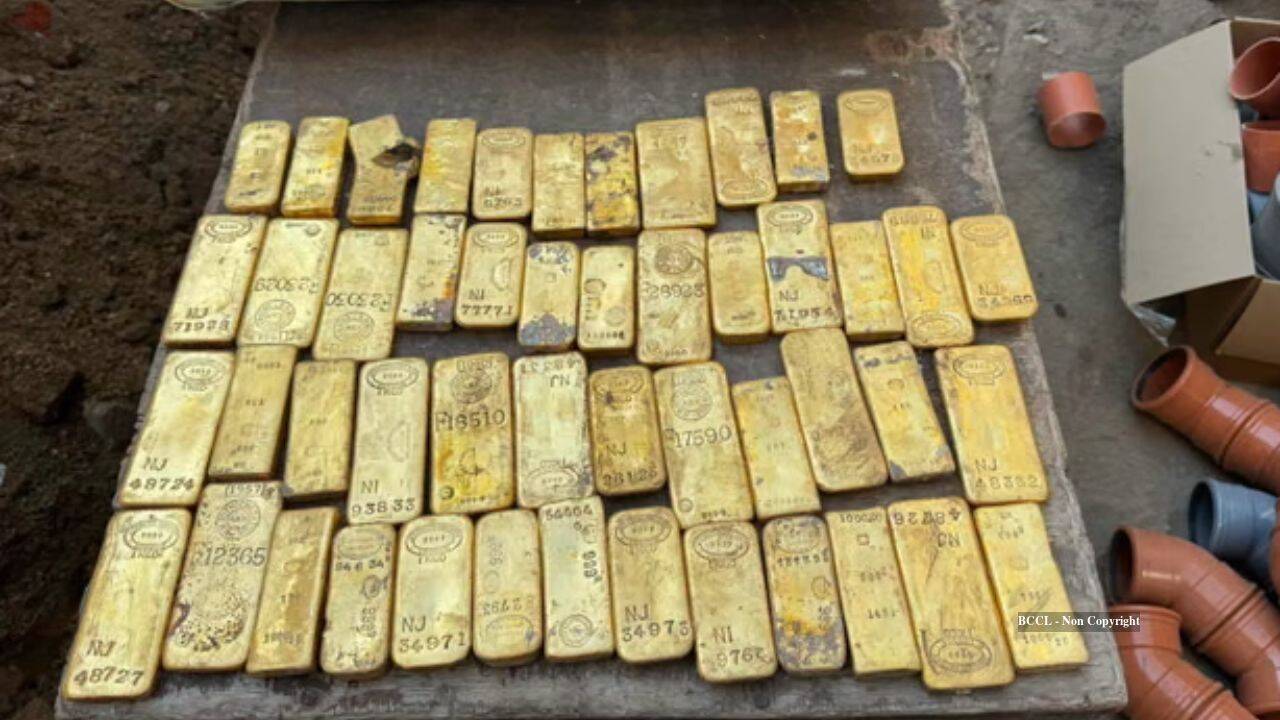
Most summer construction jobs involve hauling heavy equipment, sweating under a brutal sun, and wishing for Friday afternoon. For an 18-year-old student named Kobe working a routine project in Sint-Gillis-Dendermonde, Belgium, a regular Tuesday morning shifted into a modern treasure hunt. While helping excavate trenches for a new sewage system at a 19th-century former brewery site, his shovel broke through a bricked-up cellar wall.
Out spilled a stash of gold bars, nuggets, and thousands of coins worth an estimated €9 million.
If you have ever wondered what you would do if you stumbled upon a literal fortune at work, this real-life discovery offers a fascinating look at law, logistics, and human honesty. Let's look at how an ordinary pipe-laying project turned into a multi-million-euro legal puzzle.
The Accidental Discovery That Shocked Belgium
Kobe and his crew were working on the grounds of a grand villa originally built for a wealthy local brewery owner named Theophilus Van Assche. The property, located about 30 kilometers northwest of Brussels, is undergoing an extensive redevelopment project overseen by a social welfare organization called CAW Oost-Vlaanderen.
When the shovel hit the hidden cache, the workers initially thought they were looking at ordinary modern currency.
"At first I thought they were 1 euro coins," Kobe told public broadcaster VRT. "Then we also saw a gold nugget lying there. That's when we realised it was something bigger."
Behind the brickwork lay a bag packed with numbered gold bullion bars and roughly 4,000 coins. Site manager Mario, who has spent over three decades in construction, noted that it was the first time in his career he had encountered anything remotely similar.
Why Pocketing the Gold Was Never an Option
When you uncover millions of dollars in precious metals, the temptation to pocket a quick souvenir crosses most people's minds. But reality sets in fast when the scale of the find is this massive.
As Mario pointed out to local media, hiding or stealing a haul consisting of dozens of heavy gold bars is basically impossible. Furthermore, the workers knew instantly that keeping it crossed ethical and legal lines. They stopped digging, secured the area, and contacted the local police immediately alongside the property's management.
Law enforcement officials quickly moved the entire cache to a high-security vault in Brussels. Police then issued strict warnings to local treasure hunters and curious onlookers, urging people to stay away from the active construction zone while investigators combed the site.
Who Actually Owns a Nine-Million-Euro Hoard?
Now that the gold is locked away, a complicated legal battle has begun. Prosecutors in East Flanders are running thorough background checks to ensure the bullion has no ties to historical criminal activity or past thefts.
Under Belgian property and civil law, untangling ownership is rarely straightforward. Several distinct parties hold potential claims to the fortune:
- The Original Family: Descendants of the Van Assche family might assert historical ownership if the gold belonged to their ancestors who operated the historic brewery. Local historians note that the family's wealth stayed in the region for generations, making it entirely plausible that they tucked gold away during times of political or economic instability.
- The Property Owner: CAW Oost-Vlaanderen owns the site. Representatives have mentioned that if the charity eventually receives a portion of the funds, the money would go directly toward funding community support programs and helping people facing severe hardship.
- The Finders: If authorities confirm the gold is completely clean of criminal ties and no rightful owner steps forward within a statutory five-year window, civil laws can allow a split between the property owner and the individuals who made the discovery.
For Kobe and his fellow construction crew members, this means any potential finder's fee or reward is a long way off. They aren't cashing any checks tomorrow. They are simply waiting just like everyone else while prosecutors look through decades of local archives.
Lessons From a Historic Find
Most people will never punch through a basement wall and find precious metals worth a small nation's budget. Yet, stories like this highlight a few practical truths about property, law, and unexpected windfalls:
- Old buildings hold old secrets. Historic structures across Europe often conceal modifications made during wartime or periods of economic shifts. When renovating older properties, unexpected structural anomalies require immediate professional assessment.
- Honesty protects you from legal disaster. Trying to smuggle or sell unrecorded gold bars on the black market triggers severe felony charges. Reporting a major discovery protects finders and puts the burden of legal investigation onto the state.
- Know local treasure laws. Different jurisdictions handle found property in drastically different ways. While some regions grant finders full ownership, European civil codes often divide claims strictly between landowners, discoverers, and the government.
The next time you grab a shovel for a weekend landscaping project or home renovation, remember that you probably won't find nine million euros behind the drywall. But if you do, leave the bricks where they are and call the authorities before you try updating your bank account.

:max_bytes(150000):strip_icc()/lake-mead-173940030-5c25228846e0fb00014e8584.jpg)
