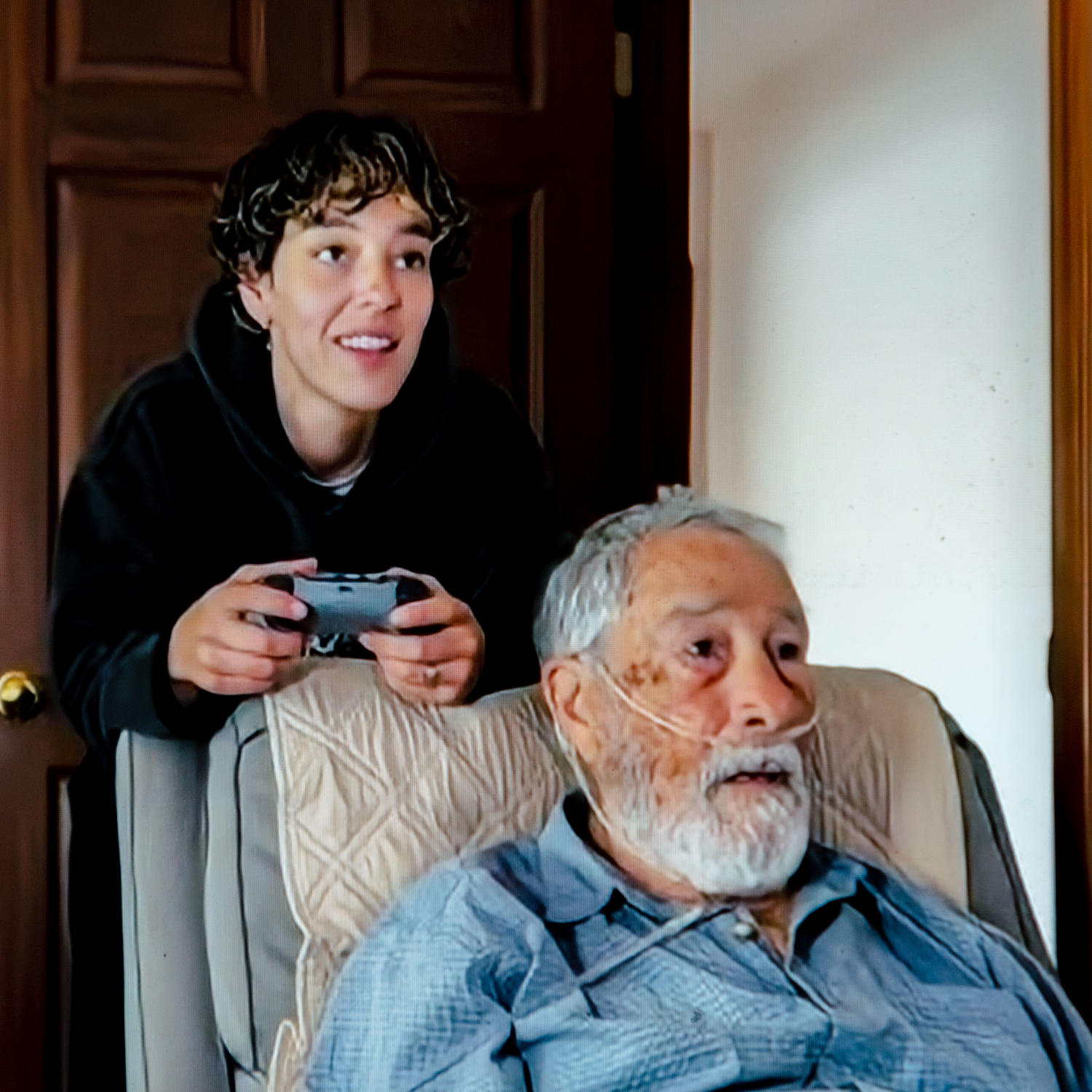
Picture a barracks room at 2 a.m., blue light glowing off a monitor, and a squad leader wondering why a twenty-two-year-old specialist suddenly cares more about a fictional Florida highway than a four-year service contract. That sounds like a punchline. Honestly, it hits closer to military retention reality than most civilian readers realize.
When service members look at reenlisting in exchange for time off to play Grand Theft Auto VI, they aren't trading their careers for a toy. They're trading predictability and downtime for a block of life they can actually control. Military schedules chew up weekends, holidays, and random Tuesday afternoons. A guaranteed stretch of leave around a massive gaming release feels like oxygen.
I've spent years covering military culture, gaming communities, and how entertainment intersects with real-world work life. Too many writers treat stories like this as pure internet jokes. They miss the mechanics of military leave, reenlistment incentives, and why a blockbuster release like Grand Theft Auto VI carries so much weight inside uniform culture.
How Military Leave and Reenlistment Incentives Actually Work
Let's clear up the biggest misconception right away. Nobody walks into a retention office, tosses a controller on the desk, and gets handed two weeks off just because Rockstar Games drops a trailer or a launch window. Real military retention works through formal programs, command approval, and strict operational needs.
When service members negotiate time off tied to reenlistment, they're usually working with standard leave accruals, special pass policies, or reenlistment options that shape duty assignments and timelines rather than magic "video game PTO." Commanders have to balance morale with readiness. If a unit is deploying, prepping for field training, or covering critical watch schedules, requests get denied or delayed.
Still, savvy troops know how to time their paperwork. If your reenlistment window lines up with a major release, asking for accumulated leave or a pass around that date makes total sense. You already earned the days. You're just picking when to cash them in.
- Accumulated leave: Service members earn paid leave days every month, usually around 2.5 days per month in the U.S. armed forces, and can request to take them when mission requirements allow.
- Reenlistment incentives: Bonuses, duty station choices, or career field moves often drive retention decisions far more than short-term time off, though schedule flexibility sweetens the deal.
- Command discretion: Even approved leave can be adjusted or recalled if operational readiness changes, which every GI learns the hard way.
- Deployment and training cycles: A launch date means nothing to a unit stuck in the field or overseas without reliable broadband or console setups.
Why Grand Theft Auto VI Hits Different in the Barracks
Plenty of games come out every year. Most of them get a week of hype and fade into the background. Grand Theft Auto VI isn't just another sequel. It's a cultural event that has been building anticipation for over a decade, and that kind of slow burn creates serious FOMO when you're locked into rigid daily routines.
In the military, your time isn't fully yours. You wake up on someone else's clock. You eat, train, travel, and stand duty on someone else's schedule. Having a massive open-world game waiting for you—one packed with detail, satire, chaos, and hundreds of hours of exploration—gives people something concrete to look forward to during long, repetitive weeks.
Gaming in the barracks has never just been about killing time. For a lot of troops, it's decompression after high-stress shifts and a way to stay connected with friends from back home.
I've seen how major releases turn common rooms and dorms into temporary social hubs. Guys who barely talk all week end up debating missions, sharing clips, and arguing over mechanics at chow. When a game that big arrives, sitting it out while everyone else dives in feels rough.
The Real Tradeoffs Behind Trading Retention for Downtime
Signing on for another hitch is a big commitment. Years of your life are on the line. Making that call primarily because you want uninterrupted hours to play Grand Theft Auto VI sounds impulsive on paper, and sometimes it is.
Here's the catch nobody likes admitting in the comment section. A few weeks of gaming pass fast. A multi-year service obligation sticks around long after you've finished the main story and moved on to whatever comes next. If you hate your job, your leadership, or your current duty station, a stretch of leave won't fix the rest of the contract.
On the flip side, if you already planned to reenlist anyway, timing your leave around a release you're hyped for is smart planning. Why take two weeks off staring at the ceiling when you can use that exact window for something you genuinely want to do? That's not reckless. That's practical.
Money matters here too. Reenlistment bonuses, housing allowances, and educational benefits carry real financial weight. Anyone weighing retention should look at the whole package—pay, promotion pace, quality of life, and family impact—before letting excitement over a game tip the scales.
What Gaming Culture Gets Right and Wrong About Military Life
Civilians often imagine barracks life as either non-stop action or total boredom. The truth sits somewhere in the middle. There are stretches of intense work, followed by quiet evenings where a console, a headset, and a good game make all the difference.
Where outside commentators usually stumble is assuming soldiers don't think strategically about their own lives. Service members deal with bureaucracy, contracts, and career choices every day. Most of them know the rules of their branch better than internet pundits do. When someone jokes or talks seriously about reenlisting for time off to play Grand Theft Auto VI, there's usually a kernel of real scheduling math behind the humor.
At the same time, it's easy to overread viral stories or barracks banter. Humor is a pressure valve in uniform culture. Sarcasm, exaggeration, and deadpan delivery are practically a second language. A soldier saying they reenlisted just to play a game might be half-joking, half-serious, or simply flexing that their leave request actually went through.
How to Think Through Big Commitments Without Getting Played by Hype
Whether you're weighing a military contract, a job renewal, or any major multi-year commitment around a big cultural moment, hype is a terrible primary driver. Blockbusters create urgency. Urgency pushes people to rush decisions.
If you're in the service—or advising someone who is—start with the non-negotiables. Check leave balances early, talk to leadership about upcoming training calendars, and make sure any time-off request aligns with real operational windows rather than wishful thinking. Never count on unapproved leave or last-minute schedule swaps to magically line up with a release date.
Look at the long-term terms of the contract first, and treat planned time off as a bonus on top of a decision that already makes sense. Enjoy the game when you get the chance, protect your downtime, and don't let short-term excitement lock you into a bad multi-year deal.