The air inside the holding warehouse smells of industrial dust, ozone, and old leather. Under the merciless glare of fluorescent tubes, row upon row of silence waits for a new owner.
Imagine standing six feet away from a Patek Philippe watch that costs more than a suburban hospital wing. It rests on a felt-lined tray, ticking silently, completely indifferent to the fact that the person who bought it with ill-gotten gains is currently sitting in a concrete cell, staring at a wall.
This is what happens when a twenty-four-hundred-million-dollar empire evaporates.
In Singapore, the authorities did not just catch bad actors; they captured the physical debris of a modern economic ghost story. We are looking at a colossal anti-money laundering sweep, one of the largest the island nation has ever witnessed. But dry legal documents and ledger sheets fail to capture the visceral weirdness of the aftermath. Millions of dollars in luxury goods, designer handbags, pristine supercars, and sprawling properties are about to go under the hammer.
Bailiffs do not care about aesthetics. They care about liquidation.
To understand the scale, you have to look past the numbers. Two point four billion dollars is a dry abstraction. It is a cluster of zeros on a Bloomberg terminal. Translate it into physical objects, however, and the human brain reels. It looks like dozens of Hermes Birkin bags stacked like cheap groceries. It looks like bottles of rare Scotch whiskey that will never be opened, destined instead to sit in the climate-controlled cellar of some cautious tech executive who bought them at a government auction for fifty cents on the dollar.
Money laundering is often spoken of as a digital ghost. We imagine silent key strokes in dark rooms, cryptocurrency wallets shifting billions across borders, and anonymous shell companies in the British Virgin Islands. We think of finance as an immaterial cloud.
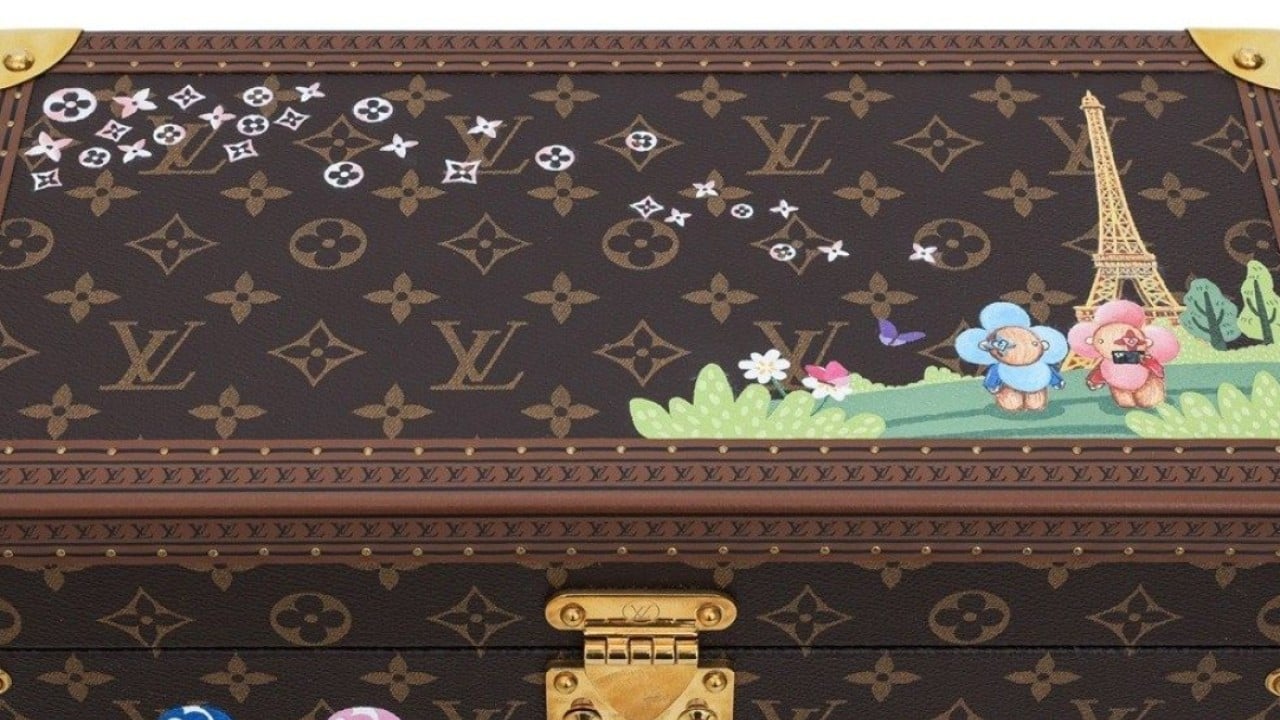
Yet, criminals still love physical things. They love the weight of a gold Rolex. They love the roar of a Bentley engine echoing down Orchard Road. They love the soft, buttery grain of lambskin leather against their palms. Conmen buy tangible security because digits on a screen do not keep you warm at night.
Until the police kick the door down, that is.
Consider the typical trajectory of these assets. They enter the country quietly. A man with a polished passport and an opaque corporate structure rents a sprawling Good Class Bungalow. He tips the valets generously. He sends his children to elite international schools. To the neighbors, he is just another successful global citizen participating in the hyper-capitalist rhythm of Southeast Asia.
Then, the raid happens. Dawn breaks over the Singapore skyline, and the illusion shatters.
Suddenly, the supercars are towed away on flatbeds. The designer watches are cataloged in clear plastic evidence bags, labeled with alphanumeric codes by tired investigators. The mansions go dark. The manicured lawns begin to grow just a fraction of an inch too high.
And now, the state must clean up the mess.
Government auctions of seized criminal assets are bizarre rituals. They are public yard sales for the ultra-wealthy. Lawyers, speculators, and curious onlookers gather to bid on the discarded status symbols of fallen empires. There is a strange morality play happening in real-time here. Greed is processed through municipal bureaucracy, scrubbed clean by judicial decree, and converted back into ordinary state revenue.
The handbags lose their pedigree the moment they become evidence. That limited-edition Chanel piece ceases to be an instrument of social signaling and turns into Case File Number 404. When a prospective buyer raises a paddle in a crowded ballroom to bid on it, they are not just buying leather and gold hardware. They are buying a discounted piece of someone else's ruin.
Why do we do this? Why do modern financial hubs attract this tidal wave of illicit capital in the first place?
Singapore is safe. That is its blessing and its curse. It is an island of absolute predictability in a chaotic world. The streets are clean. The contracts are enforceable. The legal system moves with terrifying efficiency. If you are a person who has stolen billions from somewhere else—perhaps through illegal online gambling syndicates or cross-border cyber scams—Singapore looks like the safest harbor on earth to anchor your floating wealth.
For years, the system trusted the paperwork. It trusted the layers of introduction, the private banking relationships, and the polite deference of wealth managers who were paid very well not to ask too many questions.
Until the questions became unavoidable.
The crackdown was not just a local police action; it was a systemic shock. It signaled to the global underground that even the most pristine financial fortresses are tightening their gates. When you inject billions of tainted dollars into a relatively small island economy, you distort everything. Property prices spike. Luxury goods vanish into private portfolios. The local fabric bends under the weight of shadow money.
So the state fights back with an auctioneer’s gavel.
Every single item sitting in that government warehouse tells a story of overreach. A diamond necklace bought to celebrate a successful scam. A fleet of luxury sedans driven only a few miles before being parked permanently in an underground garage. Each purchase was designed to shout one message to the world: I have arrived.
Now, those same items are screaming a completely different truth: Nothing gold can stay.
When the hammer falls for the final time on these seized luxury goods, the cash will flow back into the national coffers. The accounts will be balanced, or as balanced as they ever can be in the wake of transnational crime. The headlines will fade. The warehouse will empty out.
Yet, the fundamental tension remains. As long as there is wealth to be hidden, there will be hands reaching out to grab it, and systems trying desperately to drag it back into the light.
Somewhere in a sparse, secure room, a quartz movement ticks on. It has outlived its owner's freedom, and soon, it will belong to someone else entirely.