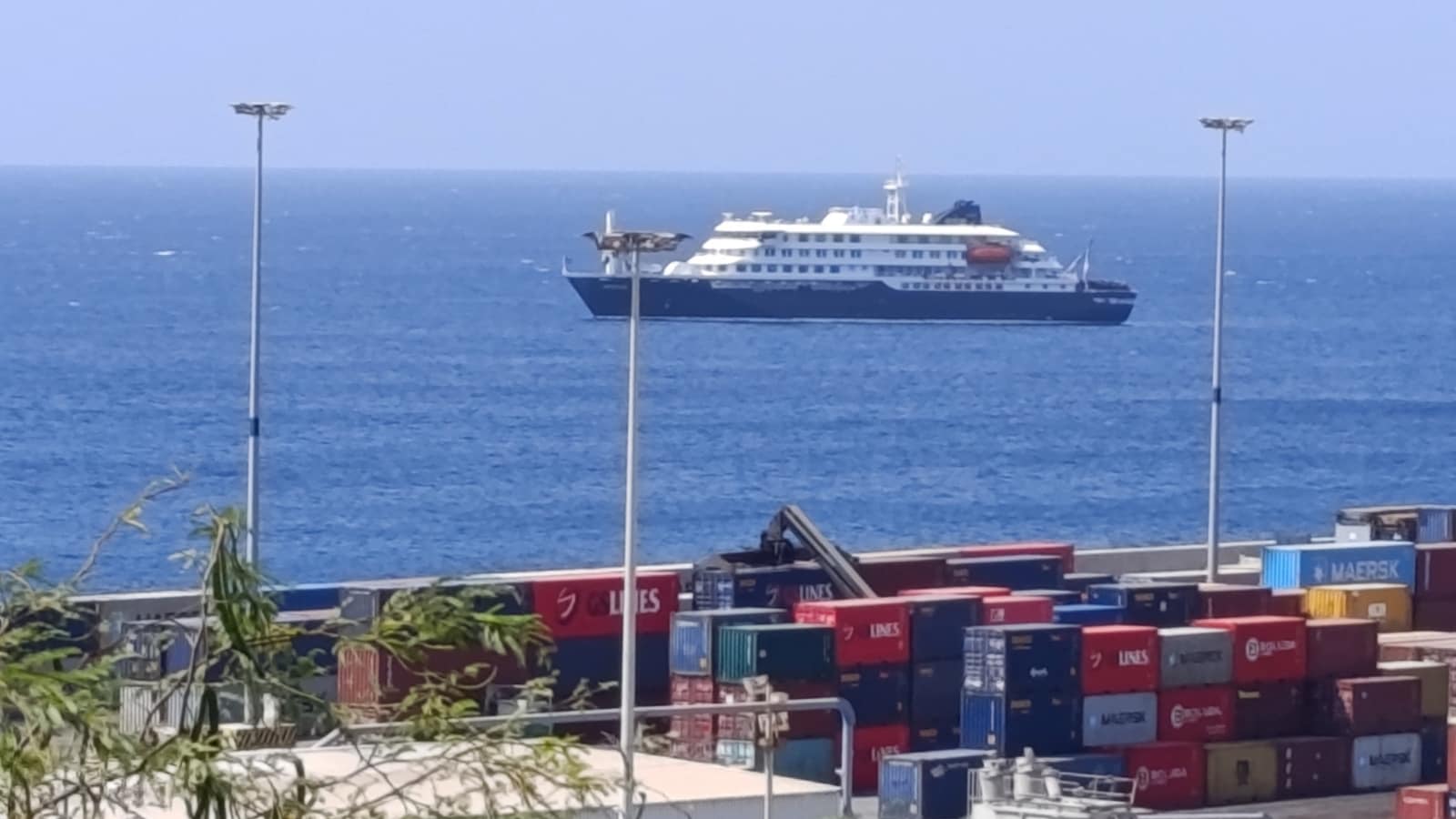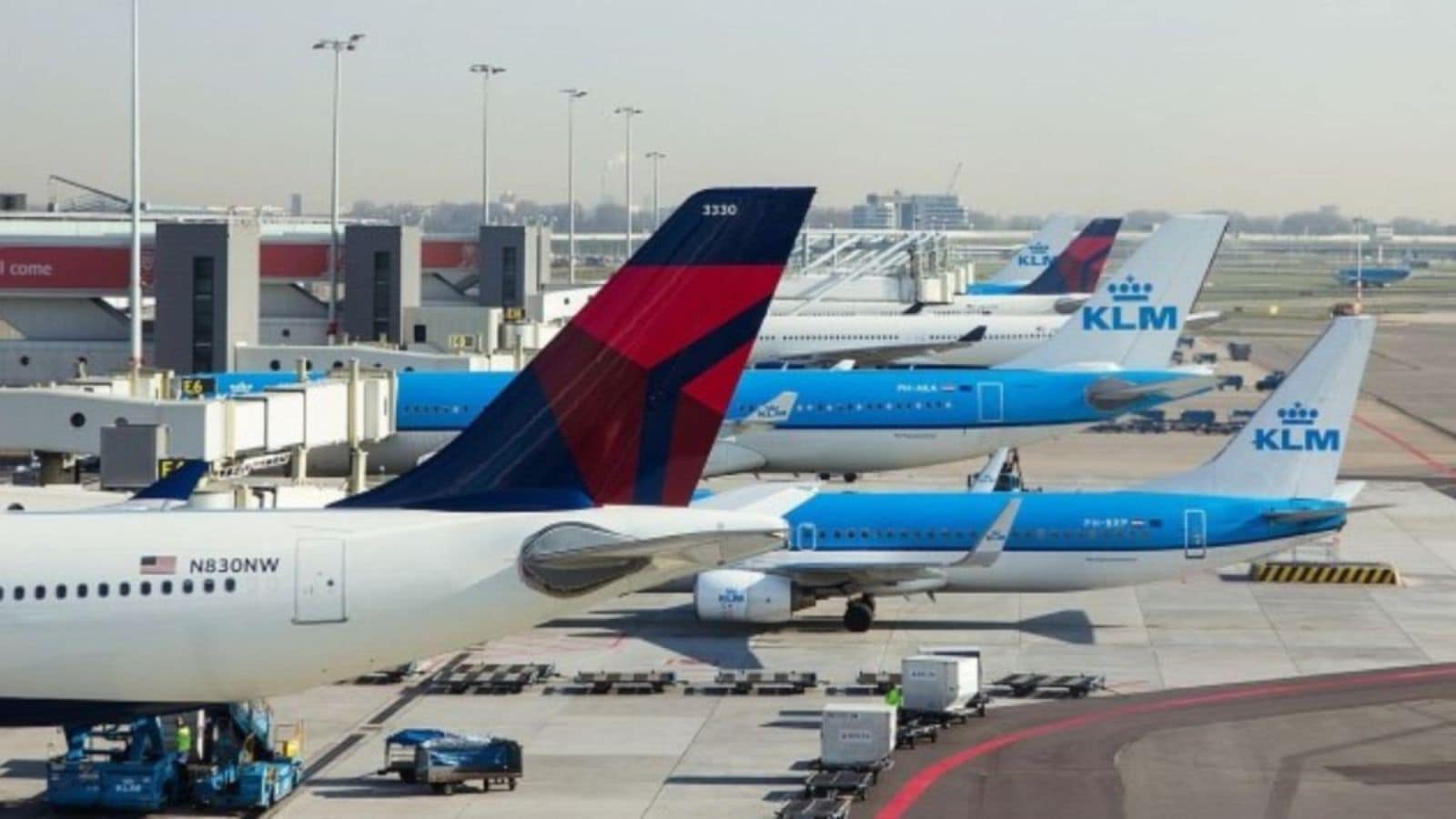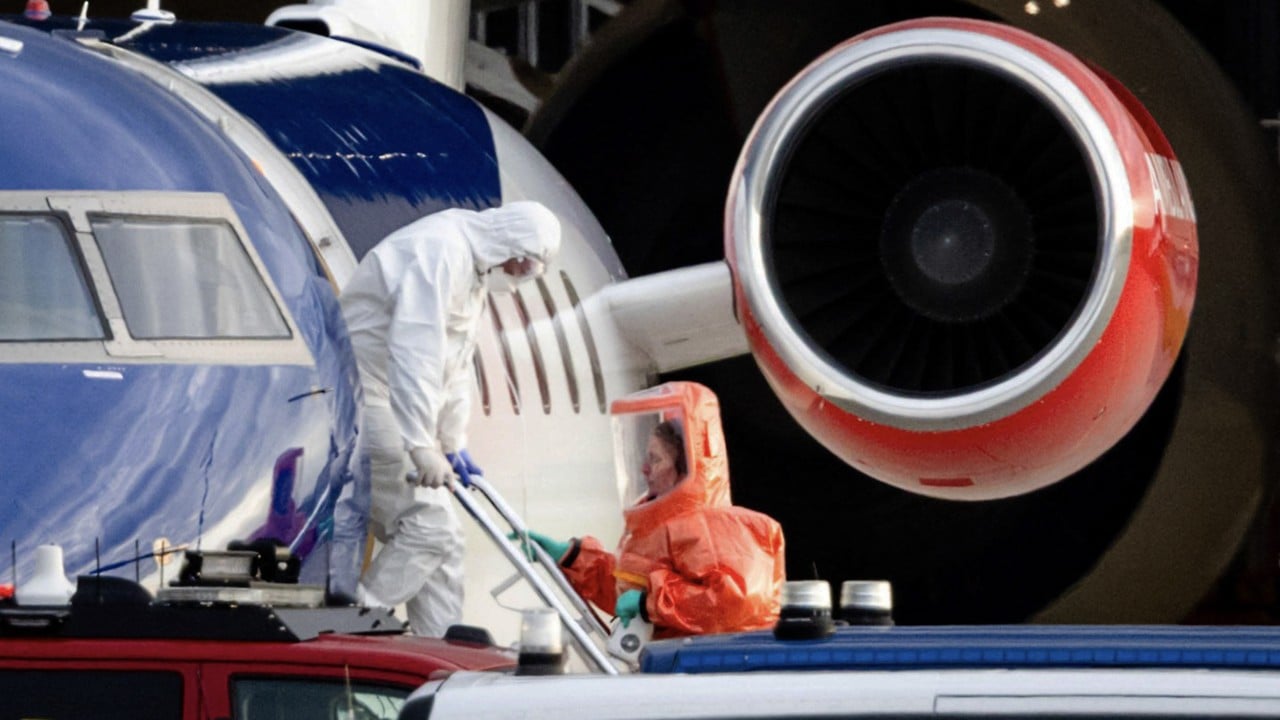
The steel hull of a cruise ship is a closed ecosystem. It is a city that breathes through vents, drinks from a shared reservoir, and brushes shoulders in narrow corridors lined with plush carpeting. When the gangway drops and thousands of passengers spill back into the world, they take more than just souvenirs and sunburnt skin with them. They carry the biological data of every person they encountered. Usually, that data is harmless. But right now, across several borders, health officials are staring at manifest lists with a mounting sense of urgency.
They are looking for the trail of a shadow.
The alarm didn't start with a bang. It started with a single patient and a diagnosis that sent a chill through the local CDC office: Hantavirus. This isn't your standard seasonal flu or a stomach bug picked up at a buffet. It is a severe respiratory disease, often associated with rural cabins and rodent droppings, boasting a mortality rate that can climb as high as 38%. Now, imagine that pathogen finding its way onto a luxury vessel.
The Invisible Stowaway
Consider a hypothetical passenger named Elias. He spent seven days enjoying the salt air, unaware that the fever blooming in his chest was anything other than exhaustion. He flew home. He took a taxi. He hugged his grandchildren. By the time the lab results confirmed the presence of Hantavirus, Elias was just one name among three thousand others who had already dispersed into the veins of global transit.
This is the nightmare of modern epidemiology. It is the "Contact Tracing" race, a frantic sprint against an incubation period that can last up to eight weeks.
Health departments in at least four countries are currently vibrating with activity. They aren't just looking for people who were sick; they are looking for everyone who might have breathed the same recycled air. The difficulty lies in the nature of the virus itself. While most Hantavirus strains in the United States—like the Sin Nombre virus—are not known to spread person-to-person, certain South American strains, specifically the Andes virus, have shown the terrifying ability to jump from one human to another.
If the strain on this ship is the latter, every handshake becomes a variable. Every shared elevator ride becomes a data point in a potential outbreak.
Beneath the Deck
We often view cruises as an escape from reality, but they are actually concentrated versions of it. The logistics of a ship are a marvel of engineering, but they are also a playground for microscopic hitchhikers.
The investigation currently centers on how the virus got on board in the first place. Hantavirus is typically transmitted through the "aerosolization" of rodent waste. This means if a single infected mouse found its way into a dry-goods storage area or crawled through a ventilation duct during a brief stay in port, the simple act of a fan turning on could have turned the virus into an invisible mist.
- Incubation: 1 to 8 weeks.
- Early Symptoms: Fatigue, fever, muscle aches in the thighs, hips, and back.
- Late Symptoms: Coughing, shortness of breath, and lungs filling with fluid.
The statistics are sobering. Since the virus was first identified in the Four Corners region of the U.S. in 1993, there have been hundreds of cases, but they are usually isolated. A cluster on a cruise ship represents a fundamental shift in risk assessment. It moves the threat from the wilderness to the heart of the tourism industry.
The Weight of the Phone Call
Imagine being the person tasked with making the calls.
"Hello, I'm calling from the Department of Health. Were you a passenger on the mid-month sailing?"
On the other end of the line is a woman in a quiet suburb who thought her vacation was over. Suddenly, she is told to monitor her temperature twice a day. She is told to watch for a "dry cough" that feels like a weight on her sternum. The psychological toll of this waiting game is immense. It is the anxiety of the unknown, the feeling that your own body might be harboring a silent intruder.
The authorities are working with manifests that are often incomplete. People change cabins. They use cash at the bar. They meet friends whose last names they never learned. Tracing these "secondary contacts" is like trying to reconstruct a shattered mirror without knowing what the original picture looked like.
A Conflict of Interest
There is a tension here that no one likes to discuss: the friction between public health and the economy of travel. A cruise line's reputation is its most valuable currency. Admitting that a deadly virus might have circulated through the vents is a catastrophic blow to the bottom line. Yet, the moral obligation to inform the public remains.
We see this play out in the filtered language of press releases. They use words like "precautionary" and "limited risk." But the intensity of the international cooperation suggests something different. When nations share passenger data and flight paths with this level of synchronization, it’s because the stakes are high. They aren't just worried about the three thousand people on the ship. They are worried about the three million people those three thousand will interact with over the next month.
The science is clear, even if the outcome is not. Hantavirus Pulmonary Syndrome (HPS) progresses with a frightening speed once it reaches the lungs. One day you are tired; the next, you are gasping for air as your capillaries leak fluid into your air sacs. There is no specific cure, no "magic bullet" antibiotic. Treatment is purely supportive—intubation, oxygen, and hoping the immune system can win the war before the lungs give up.
The Trace Goes Cold
As the days pass, the trail grows faint. Some passengers live in regions with limited medical infrastructure. Others may ignore the mild early symptoms, attributing them to a lingering cold or the "post-cruise blues." Every day that passes without a passenger checking into an ER is a victory, but it is a silent one.
The real challenge isn't just finding the people; it's educating them without inciting a panic. We have become a society hypersensitive to outbreaks, yet strangely desensitized to the actual mechanics of viral spread. We want a simple answer: am I safe or am I not?
The truth is rarely that binary. Safety is a calculation of probability, a balance of exposure time and viral load.
Beyond the Manifest
This isn't just a story about a ship. It's a story about the thinness of the walls we build between ourselves and the natural world. We take our cities and our luxuries into the habitats of creatures that have carried these pathogens for millennia. When we return, we bring a piece of that wildness back with us.
The health officials sitting in windowless rooms, staring at spreadsheets of names and seat assignments, are the only thing standing between a localized incident and a broader crisis. They are the cartographers of a hidden map, tracing the invisible lines of human connection that span the globe.
Tonight, thousands of people will go to sleep wondering if that slight tickle in their throat is the air conditioning or something more sinister. They will look at their vacation photos—the sunsets, the blue water, the smiling faces of strangers in the background—and they will see those images differently. They aren't just memories anymore. They are a record of exposure.
The ship is already back at sea, scrubbed clean, its surfaces gleaming under fluorescent lights. A new set of passengers is laughing in the dining hall, unaware of the ghosts that preceded them on the guest list. But the race on land continues, one phone call at a time, searching for the person who doesn't yet know they are part of the story.