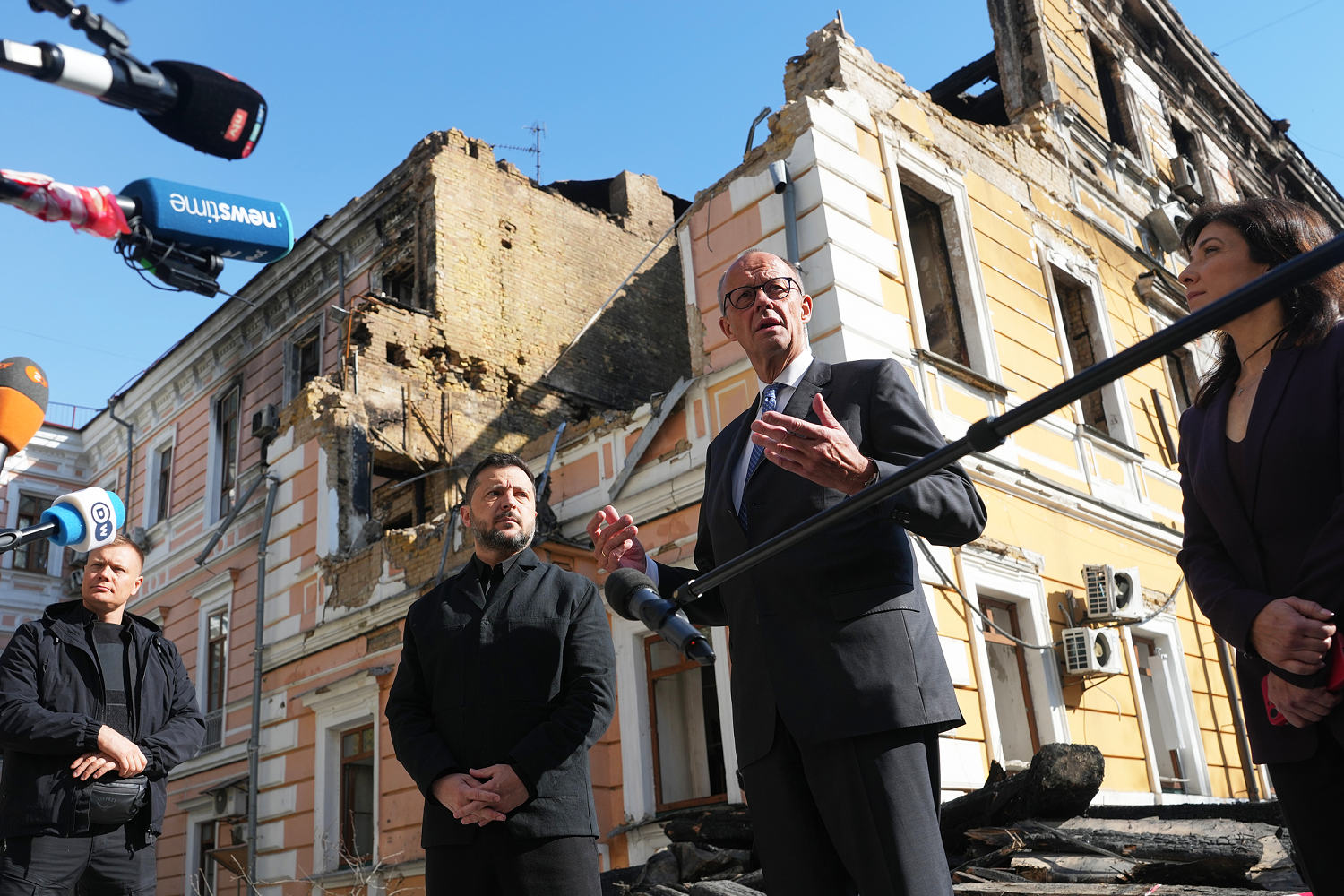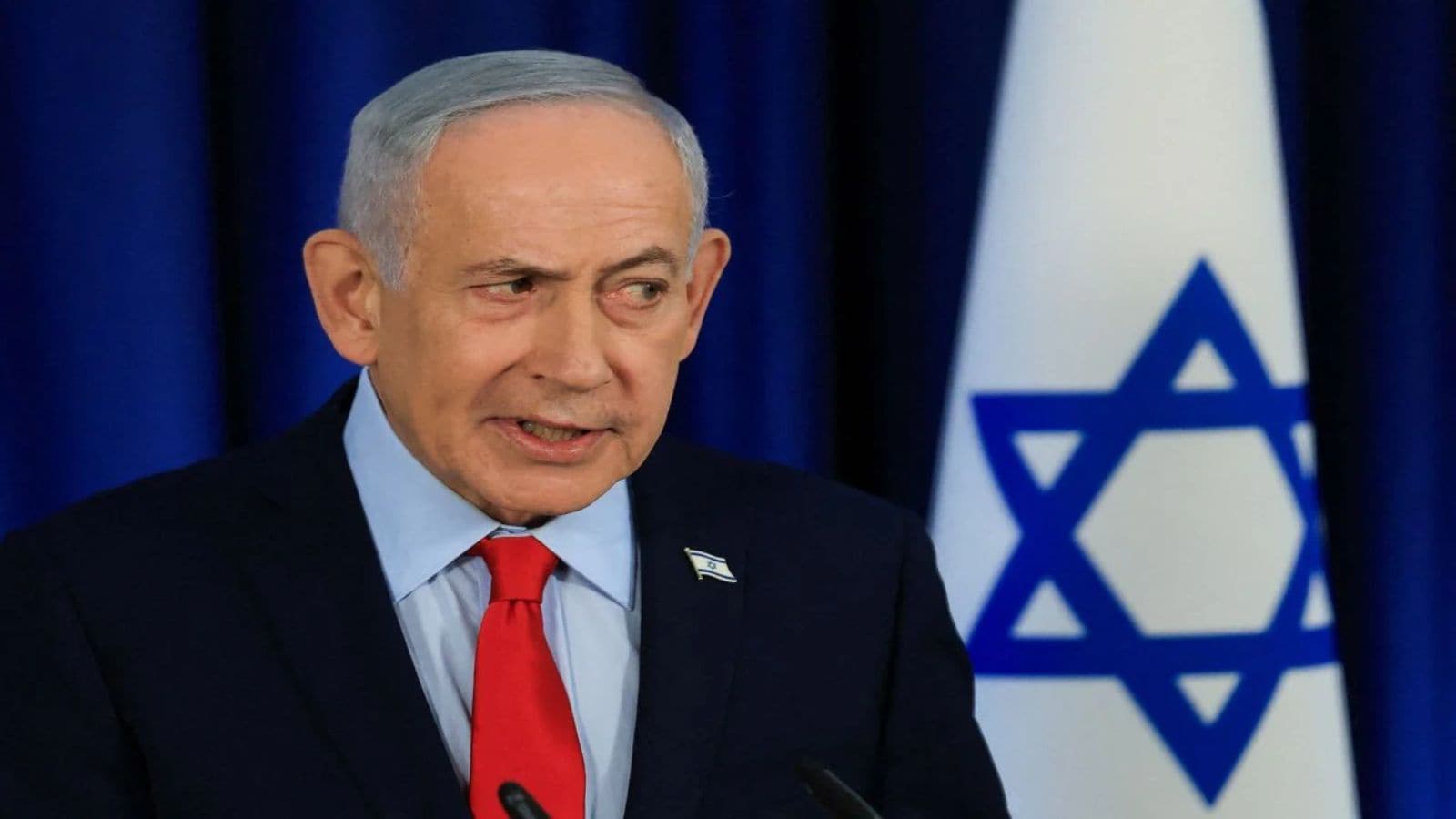
Every time a foreign leader gets paraded across social media as a hero or invited to an Independence Day gala, the media treats it like a tectonic shift in international relations. We saw it again with Benjamin Netanyahu rolling out the red carpet for Smit Machchhar, echoing the cozy optics of his high-profile bromance with Narendra Modi. Analysts scramble to write think pieces about strategic alignments, deep technological alliances, and historic diplomatic breakthroughs.
It is pure theater. And we are falling for it every single time. Learn more on a similar topic: this related article.
I have spent the last decade watching policy wonks obsess over handshakes while missing the structural machinery driving actual global power. Diplomatic shout-outs and VIP invitations cost next to nothing. They require zero capital expenditure, demand no treaty ratifications, and carry zero legal obligation. They are designed for one specific purpose: a thirty-second dopamine hit for domestic news cycles.
Stop treating a photo op as foreign policy. More journalism by The Guardian explores similar perspectives on this issue.
The Illusion of Personal Chemistry
The lazy consensus in international reporting relies on the Great Man theory of geopolitics. The narrative goes that if two leaders exchange pleasantries, tweet warm regards, or invite each other to state functions, a new golden era of commerce and security has dawned.
This is amateur hour.
International relations are not run on personal text messages or mutual admiration societies. They are run on cold, hard balance sheets, logistical bottlenecks, and domestic political survival. When Netanyahu labels someone a hero or Modi trades high-profile nods on the global stage, market capitalization does not shift by a single dollar, and cargo ships do not change their routes.
Let us look at the mechanics of modern bilateral agreements. Real leverage is built on things that take decades to construct and billions to defend: sovereign technology transfers, joint defense manufacturing pipelines, intelligence-sharing frameworks anchored in permanent legislation, and deep-pocketed venture capital ecosystems that weather changing administrations.
A ceremonial invite to an anniversary gala does none of this. It is the diplomatic equivalent of a public endorsement on LinkedIn. It looks impressive to outsiders, but it produces zero tangible output when the geopolitical climate turns hostile.
Why We Fall For The PR Machine
Why do media outlets and commentators continue to hype these ceremonial interactions? Because nuance does not click.
Explaining why a bilateral free trade agreement is stalling due to bureaucratic red tape in agricultural tariffs is boring. Analyzing the messy, unglamorous reality of municipal procurement regulations or supply chain redundancies makes people turn the page. But a headline featuring a high-profile shout-out between prominent figures? That generates instant outrage, adoration, and algorithmic fuel.
We want our geopolitics simplified into a buddy cop movie. We want heroes and villains, dramatic entrances, and cinematic moments of international solidarity.
The downside of this contrarian lens is clear: it strips away the comforting illusion of predictability. If personal relationships between leaders do not dictate national trajectories, then foreign policy becomes a chaotic, unpredictable beast driven by macroeconomic pressures and institutional inertia. That is terrifying to people who want simple answers. But it is also the truth.
The Metrics That Actually Matter
If you want to know whether a relationship between two nations or two ecosystems is actually growing stronger, ignore the press releases. Look at the balance of trade in critical infrastructure. Look at where patent filings are being cross-registered. Look at joint venture agreements involving dual-use technologies where intellectual property protection is legally enforced, not just promised in a speech.
When a private citizen or an executive gets thrust into the diplomatic spotlight, ask a simple question: does this individual control capital, infrastructure, or intellectual property that changes a nation's baseline capabilities? If the answer is no, the invitation is just a photo op dressed up as strategy.
The next time you see a viral clip of a foreign prime minister praising an entrepreneur or hosting a visiting delegation, take a deep breath, close your Twitter tab, and look at sovereign bond yields or semiconductor export data instead.
Real power does not need a red carpet. It is too busy rewriting the rules while everyone else is busy watching the cameras.