Modern military confrontations in the Persian Gulf operate under severe feedback loops where diplomatic channels run concurrent to kinetic exchanges. When state actors exchange missile barrages while bilateral or multilateral negotiators claim that diplomatic channels remain open, observers must look past surface-level rhetoric to analyze the underlying structural mechanics. The friction between Washington and Tehran highlights a persistent strategic reality: kinetic retaliation and diplomatic positioning are no longer mutually exclusive phases, but simultaneous operational vectors.
Evaluating this theater requires mapping three distinct operational pillars that dictate state behavior across the region.
The Three Pillars of Regional Friction
Kinetic Proximity and Interception Economics
The operational calculus of modern missile warfare is governed strictly by cost asymmetries. When regional air defense systems intercept incoming munitions from Tehran, the financial burden falls heavily on the defender. Interceptor missiles deployed by partner nations and United States forces cost exponentially more to manufacture, maintain, and launch than the one-way attack drones or ballistic projectiles produced domestically by Iran.
This economic imbalance creates a distinct structural vulnerability. Defensive posture maintenance drains high-tier munitions inventories far faster than offensive inventory replenishment cycles can match. Consequently, when neighboring states intercept projectiles over sovereign airspace, they absorb both immediate physical risks and long-term resource depletion.
Infrastructure Vulnerability as a Bargaining Lever
Strategic targets chosen during modern escalations extend beyond traditional military command and control nodes. Energy processing facilities, logistical hubs, transport terminals, and maritime choke points serve as primary pressure points.
Attacks targeting commercial or logistics infrastructure within sovereign third-party territories, such as Kuwait, alter the risk profiles of neutral economic actors. When logistics hubs or foreign corporate facilities sustain damage, the ripple effects immediately impact commercial insurance rates, maritime transit schedules through the Strait of Hormuz, and global energy futures. The objective of these localized impacts is rarely territorial acquisition; rather, it functions as a mechanism to raise the cost of continued alignment with Washington's deterrence architecture.
The Diplomatic-Military Feedback Loop
Simultaneous execution of peace negotiations and heavy airstrikes produces a volatile information environment. Political leadership frequently employs public optimism regarding potential frameworks while simultaneously authorizing wide-scale counter-strikes against Islamic Revolutionary Guard Corps facilities.
This duality stems from domestic political pressures and international signaling requirements. Negotiating teams attempt to isolate diplomatic tracks from tactical friction on the ground, yet every unauthorized missile launch resets the baseline required for deterrence. This produces a ratchet effect where each retaliatory cycle demands a higher threshold of force to re-establish an equilibrium, making durable ceasefires difficult to anchor.
The Mechanics of Spillover Risk
Geographic containment of state-on-state conflict in West Asia remains constrained by the dense network of forward-deployed assets and regional alliances. The presence of international military personnel, logistics bases, and commercial shipping lanes across multiple neighboring jurisdictions means that localized projectile exchanges rarely remain isolated.
When ballistic trajectories cross national borders, host governments face immediate sovereignty challenges. Air defense activation protects urban centers and fixed installations, but falling debris and targeted infrastructure strikes generate domestic political fallout within host nations. These nations find themselves involuntarily enmeshed in a cycle of action and reaction dictated by external capitals.
The maritime domain experiences parallel pressures. Interventions against vessels suspected of breaching maritime restrictions or trade blockades trigger localized skirmishes. These maritime incidents convert commercial transit lanes into operational flashpoints, forcing naval coalitions to continuously re-evaluate asset allocation to secure vital energy corridors.
Strategic Outlook
Navigating this operational environment requires recognizing that traditional off-ramps are frequently undermined by the speed of automated defenses and automated retaliation doctrines. Future stability depends less on declarations of intent and more on the structural capacity of supply chains, air defense inventories, and regional intelligence-sharing networks to absorb persistent friction without triggering systemic wider regional mobilization.
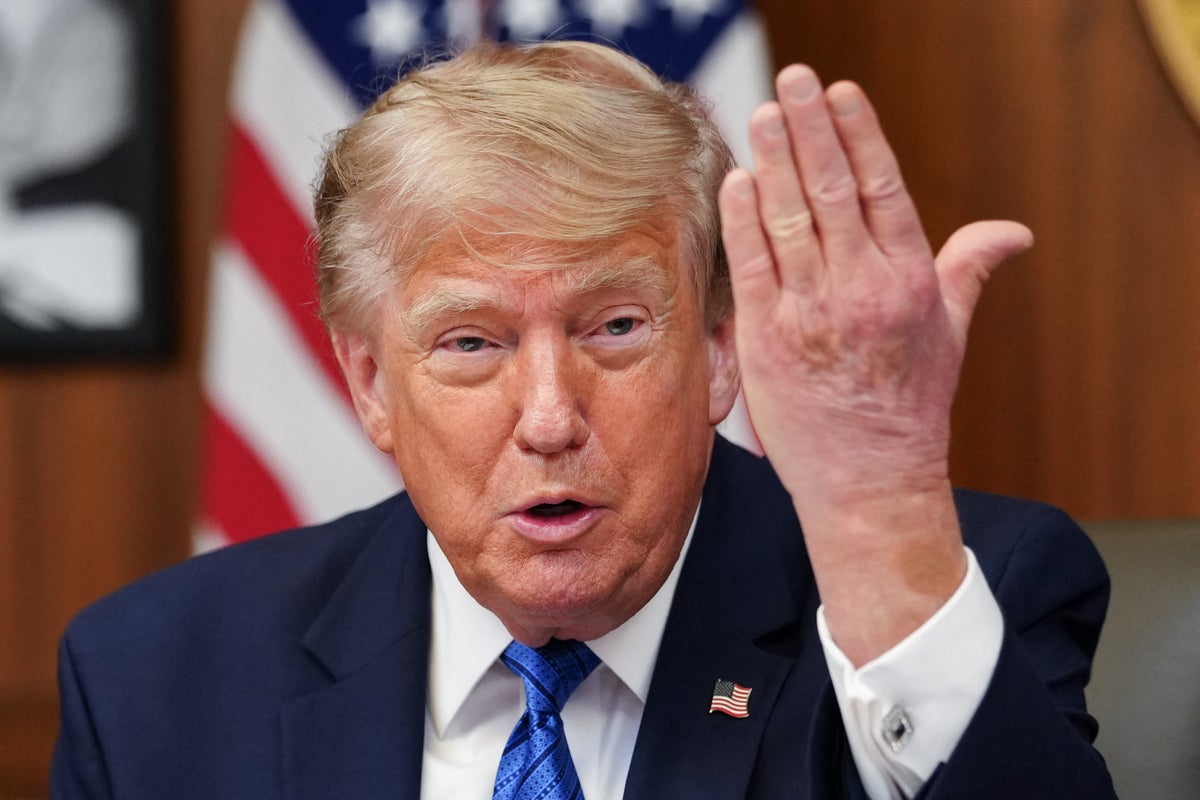
US President Trump Warns of Fresh Strikes as Kuwait Intercepts Missiles from Tehran
This video provides contemporary context regarding the ongoing missile interceptions by Kuwait and the strategic response formulations emerging from Washington.
http://googleusercontent.com/youtube_content/1