Capital markets are highly sensitive to sudden changes in maritime security and supply chain continuity. When an interim security agreement fractures, the sudden repricing of risk across commodities and equities reveals how closely interconnected global shipping bottlenecks, energy inflation, and equity valuations really are. The collapse of the 60-day interim agreement between the United States and Iran—marked by recent kinetic strikes in the Strait of Hormuz and a formal declaration that the truce is defunct—serves as a clear case study in how geopolitical disruptions quickly turn into financial shocks.
To understand why Brent crude immediately spiked 6.3% to $78.80 a barrel and Western equity indices fell by 1% to 2.4%, analysts must look past the headlines. Instead, they need to examine the core mechanisms at play: the mechanics of maritime transit risk, the multi-layered ways inflation affects interest rates, and how sensitive technology-heavy stock indices are to changes in the broader macroeconomy.
The Microeconomics of the Hormuz Chokepoint
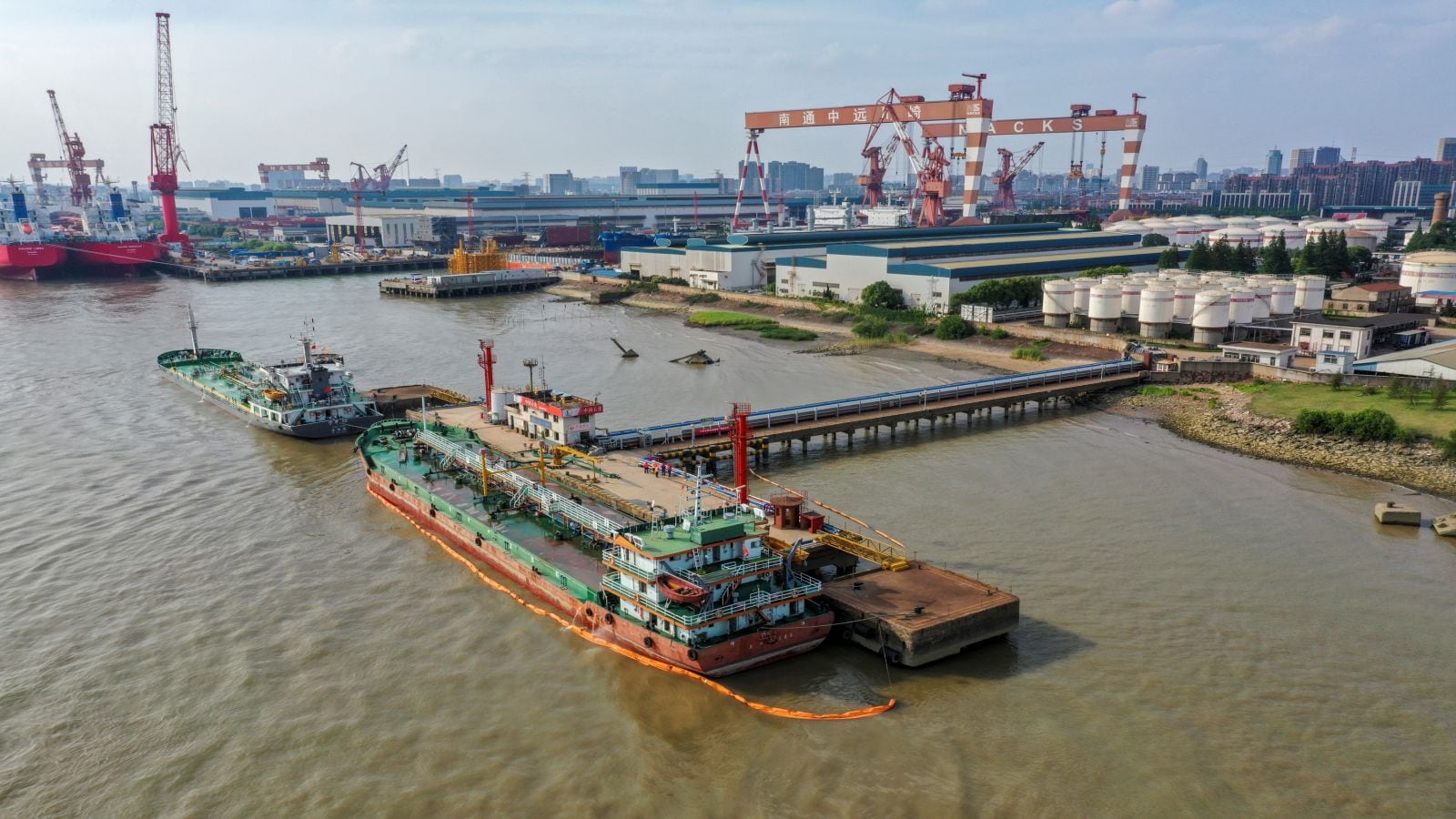
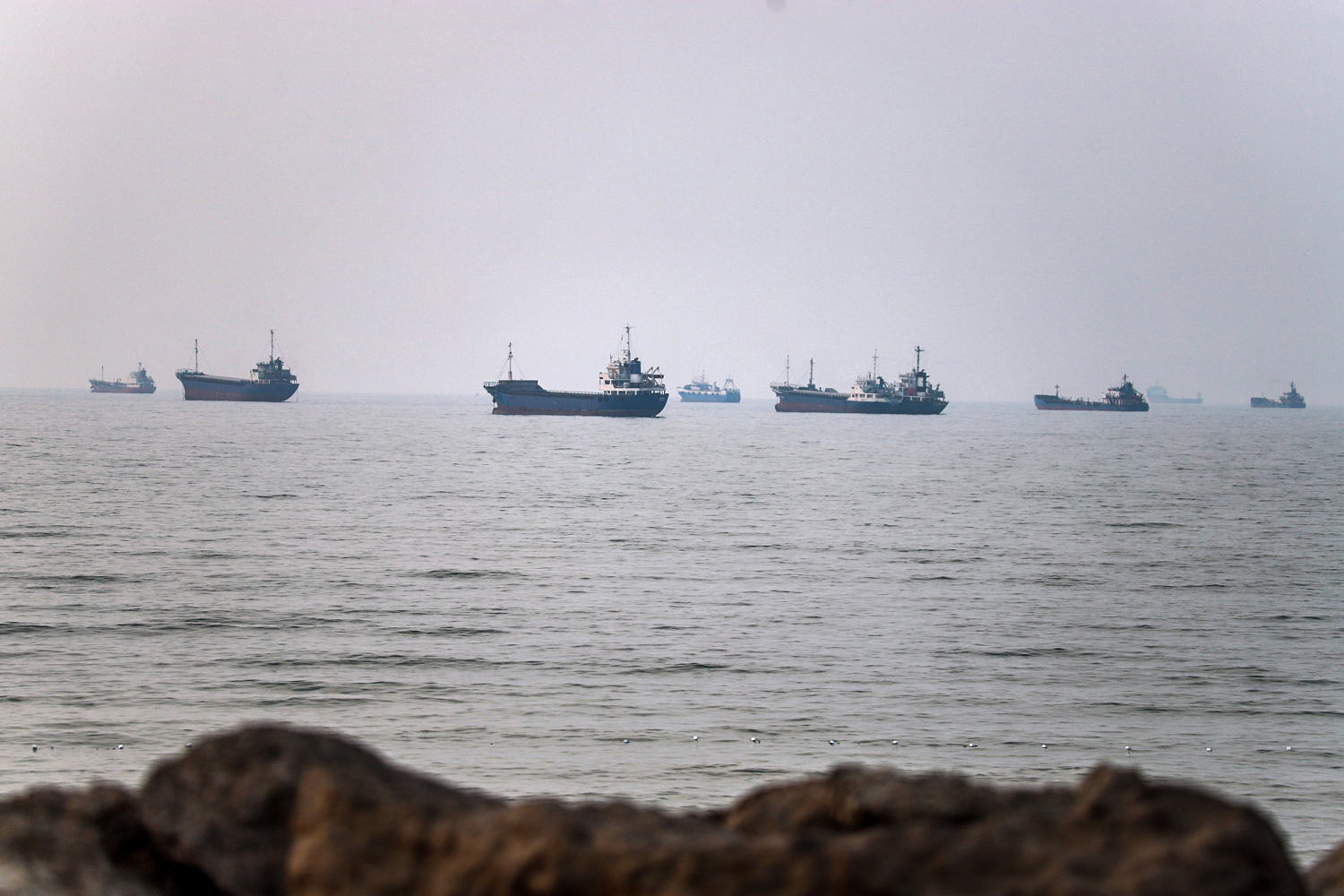
The immediate surge in oil prices is directly tied to the physical and legal security of the Strait of Hormuz. Under the terms of the temporary ceasefire, commercial vessels were granted unhindered passage through the strait for 60 days without being subject to transit fees. The collapse of this agreement changes the risk profile for shipping companies in two specific ways.
- The Route Diversion Cost Factor: The physical geography of the strait forces a choice between conflicting jurisdictions. Recent maritime targeting focused on vessels utilizing paths near Oman's territorial waters rather than the routes mandated by Tehran. Forcing commercial traffic to comply with Iranian routing and its proposed transit fees upends decades of established maritime practice. Shipping operators must now choose between paying disputed transit fees, risking seizure, or taking long, expensive detours around the African continent.
- The Insurance Risk Premium: Marine hull and War Risk Insurance premiums are calculated based on predictable, structural safety. When diplomatic agreements fall apart and military strikes occur, insurers quickly reprice their policies. This sudden increase in insurance premiums acts as an immediate tax on every barrel of oil moving through the region.
This situation creates a clear chain reaction. Political breakdown leads to greater physical threats to shipping, which increases both operational and insurance costs. These higher expenses are then immediately reflected in the spot price of benchmark crudes like Brent and West Texas Intermediate (WTI).
The Three Pillars of Macroeconomic Transmission
The shock in the energy markets does not stay contained; it quickly spills over into global financial systems through three main economic channels.
[Energy Price Shock]
       │
       ├──► 1. Input Cost Escalation (Producers pass costs to consumers)
       ├──► 2. Aggressive Central Bank Policy (Higher inflation triggers rate hikes)
       └──► 3. Capital Reallocation (De-risking moves money from equities to bonds)
First, higher energy prices cause immediate cost inflation for manufacturers and businesses. Oil is not just a consumer commodity; it is a foundational input for industrial production, chemical manufacturing, and global logistics. When crude prices rise, businesses face higher operating expenses, which they eventually pass down to consumers through higher prices for finished goods.
Second, this drop in corporate profit margins happens just as central banks are facing renewed inflationary pressures. For example, after the recent jump in oil prices, short-term interest rate markets quickly adjusted their expectations, pricing in a much higher chance of interest rate hikes from major central banks like the Bank of England. When central banks raise rates to fight energy-driven inflation, they increase the cost of borrowing for all businesses, which slows down economic growth.
Third, these shifting interest rate expectations change how investors allocate their capital. Higher expected interest rates cause government bond yields to rise sharply. As safe government bonds begin offering higher returns, the relative appeal of riskier assets, like stocks, declines. This triggers a broad sell-off in equity markets as capital moves toward safer, higher-yielding fixed-income alternatives.
Tech Valuations and the Capital Disruption Bottleneck
The sell-off in equity markets has hit major technology shares particularly hard. This vulnerability highlights a structural problem in current equity valuations. Over the past several quarters, capital has concentrated heavily in high-multiple technology companies, driven by large investments in artificial intelligence infrastructure, semiconductor manufacturing, and data centers.
This concentration creates a valuation bottleneck. High-growth technology stocks depend on projections of strong cash flows far into the future. Mathematically, the value of these future cash flows is highly sensitive to the discount rate used by investors, which is derived from government bond yields. When geopolitical risk pushes inflation and bond yields higher, the present value of those distant corporate earnings drops sharply.
Furthermore, high-growth companies are being evaluated on exceptionally high performance expectations. When a geopolitical shock raises baseline operating costs and threatens to slow down consumer demand, the justification for these high stock valuations begins to erode. As a result, tech-heavy indices often experience larger drops than older, more traditional industrial sectors during inflationary shocks.
Structural Strategy for Portfolio Protection
Relying on simple diversification is often not enough to protect a portfolio when a major geopolitical crisis occurs. Because modern supply chains and financial markets are so deeply interconnected, a disruption in one area can cause a wide variety of asset classes to fall at the same time. Navigating these periods of volatility requires a clear, systematic approach to managing risk.
- Map Indirect Supply Chain Exposures: Organizations must look past their primary suppliers and evaluate how vulnerable their entire logistics chain is to rising fuel prices and shipping delays.
- Stress-Test Financing Against Higher Interest Rates: Corporate treasuries should model how their capital expenditures and debt service obligations would be affected if central banks keep interest rates higher for longer to combat energy inflation.
- Rebalance Valuation Multiples: Asset managers need to review portfolios with high concentrations in premium-priced growth stocks, shifting capital toward companies with strong pricing power and stable, near-term cash flows.
The long-term outlook for global markets depends heavily on whether these maritime frictions can be contained. If alternative shipping routes are used effectively or diplomatic talks resume, energy prices may stabilize near their historical averages. However, if tensions continue to escalate and disrupt trade through the world's primary energy corridors, sustained inflation will likely force central banks to keep monetary policy tight, placing continued pressure on high-valuation equities.
Analyzing the Impact of Geopolitical Events on Global Markets explains how sudden escalations and diplomatic shifts in key trade corridors directly trigger volatile swings across crude futures and international equity benchmarks.