Maps lie. They present the world as a tidy arrangement of colored polygons, clean ink lines separating the ambitions of men from the suffering of everyone else. But look closer at the creases. Look at where the red ink bleeds.
Consider a basement in Kiev. Concrete walls sweating under a low-hanging bulb. A woman named Elena sits on a camp bed, her fingers tracing the frayed wool of a blanket she brought from her home in the east three winters ago. She is not reading a strategic brief. She is listening for the low, predatory thrum that precedes the shaking of the earth. Overhead, thousands of miles away in Whitehall, men in tailored suits walk across polished parquet floors, speaking in clipped tones about red lines, escalation management, and legitimate targets.
Between Elena’s basement and the polished mahogany desks of London lies an invisible architecture of ambiguity. This is the weapon Vladimir Putin deploys most effectively. Not just the hypersonic missile on the launchpad or the armor massed in the gray mud, but the terrifying geometry of the unknown.
Strategic ambiguity is a cold parlor trick played with real lives. By refusing to define the exact boundaries of what Moscow considers an unacceptable crossing of swords, the Kremlin forces its adversaries into a perpetual state of self-deterrence. Western capitals hesitate. They draft policies, redraft them, and water them down, paralyzed by the fear that the next weapon sent, the next intelligence shared, or the next sanction applied might be the one that turns a regional proxy conflict into a continental conflagration.
Moscow keeps the target list deliberately fluid. Today, a supply hub near the Polish border is a warning. Tomorrow, the whispering campaigns suggest foreign military instructors or long-range missile depots might cross the threshold into direct retaliation. It is a psychological theater designed to paralyze the will of nations that have grown unaccustomed to the raw, unvarnished terror of total war.
We forget how fragile certainty is until it shatters.
For decades, stability was a shared illusion. We believed that treaties held weight, that borders were immutable, and that the rules of engagement were written in stone. But history is rarely written in stone. It is scratched in dirt with a bayonet. When Putin hints that weapons suppliers and logistical masterminds in Western European capitals share the same moral and strategic category as the soldiers firing artillery at the front, he is not just issuing a diplomatic threat. He is tearing down the firewall that has separated the battlefield from the coffee shop for nearly eighty years.
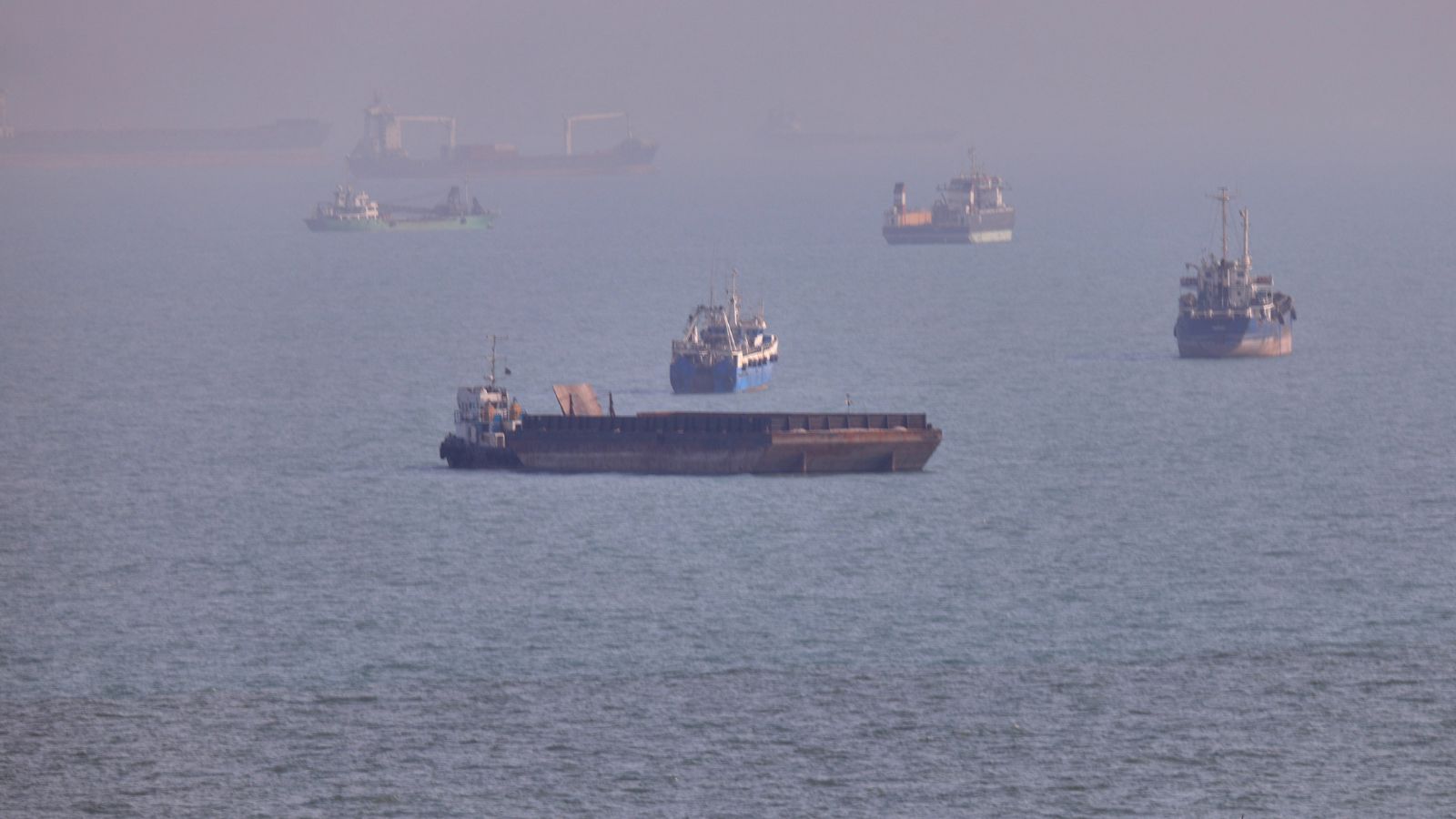
London feels this chill acutely. Beneath the historic facades of government ministries, planners model the unthinkable. They map out the cyber attacks that could blind a power grid, the sabotage vessels lingering near undersea communication cables, and the quiet, asymmetrical ripples of modern hybrid warfare. Distance is no longer a shield. A drone factory in the English Midlands and a trench in the Donbas are connected by an invisible thread of digital telemetry and political resolve.
Yet, the danger of this game is its own momentum. When you keep everyone guessing, people eventually stop guessing and start preparing for the worst. And when everyone prepares for the worst, the margin for a tragic miscalculation drops to zero. A stray coordinate, a mistimed interception, an intercepted transmission—and the deliberate fog of war becomes a blinding storm.
Back in that Kiev basement, Elena does not care about the geopolitical chess match. She cares about the next twenty minutes. She cares whether the roof over her head will hold.
The tragedy of our current historical moment is that millions of lives have been tethered to the shifting whims of an autocrat who weaponizes uncertainty. Every ambiguous statement broadcast from Moscow is a psychological tremor designed to ripple across Europe, shaking the resolve of parliaments and eroding the courage of ordinary citizens who just want to live their lives without checking air-raid applications on their phones.
We are living through a test of endurance. Not just of steel and ammunition, but of nerves. The Kremlin wants the West to blink first, to surrender to the paralyzing weight of what might happen next. But ambiguity cuts both ways. While it breeds fear, it also strips away the comfortable illusions that allowed democracies to sleepwalk through the decay of international order.
The shadows are long, and the targets are blurred. But as long as people like Elena refuse to let the darkness extinguish their humanity, the final shape of this conflict remains unwritten. The map is still bleeding, and the ink is still wet.