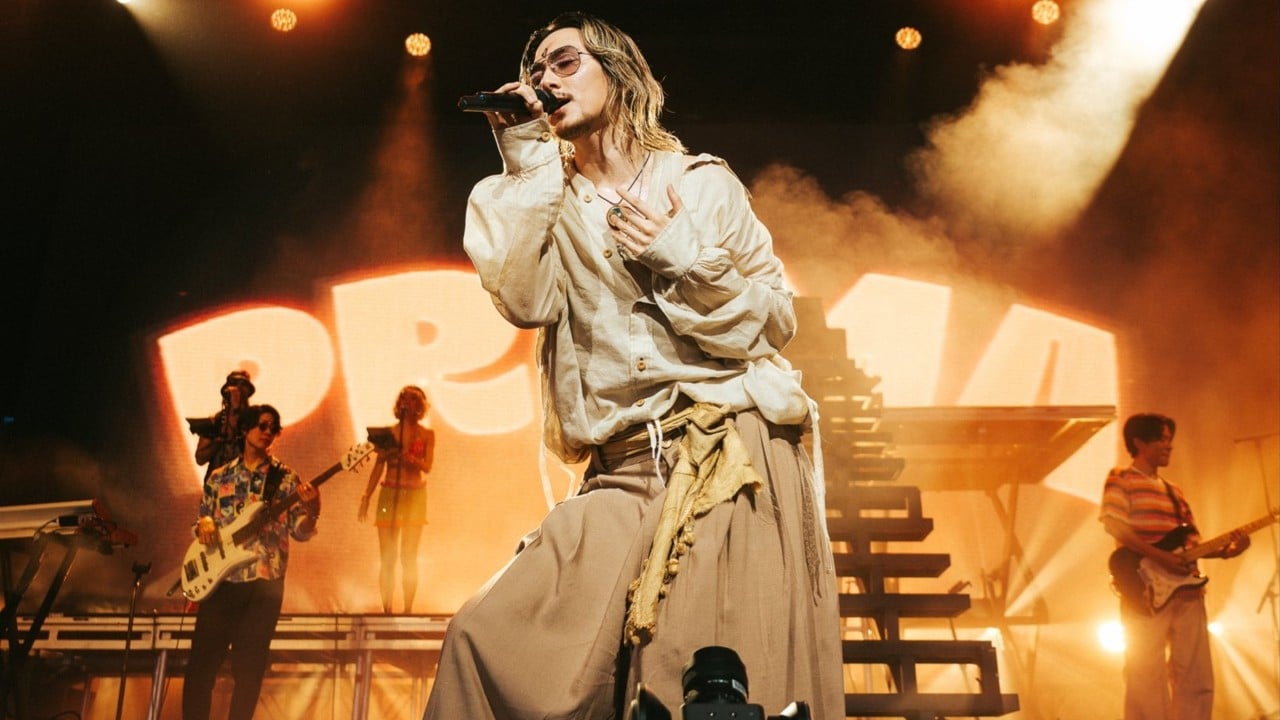
The narrative is as predictable as a tired encore. A major Japanese artist like Fujii Kaze pulls a scheduled performance in Hong Kong, and immediately, the usual suspects in the press gallery start chanting the same eulogy: "The city is dead," "Artists are shunning the hub," or "The sparkle has faded." It’s lazy. It’s intellectually dishonest. Most importantly, it completely misreads the actual mechanics of the Asian touring circuit.
Canceling a show isn't a political statement. It’s a logistical or financial pivot. If you think an artist of Kaze's caliber—who is currently riding a global wave of "Shinunoga E-Wa" virality—is making tour decisions based on vague vibes about a city’s "cool factor," you haven't spent five minutes in a promoter’s office.
The reality is far more interesting and far more brutal.
The Mirage of the Shunning Effect
The "shunning" narrative suggests that Japanese acts are collectively turning their backs on Hong Kong due to geopolitical shifts or a supposed decline in cultural relevance. This ignores the cold, hard data of the 2024-2025 touring calendar.
Look at the schedule. Yoasobi, King Gnu, Radwimps, and Hikaru Utada have either just played or have massive dates booked. If there were a coordinated "shun," these are the names that would lead the charge. They aren't. They are filling arenas.
When an artist like Fujii Kaze pulls out, the reason is almost always one of three things:
- Venue mismanagement: Hong Kong’s infrastructure is aging. If the technical riders can’t be met, the show doesn't happen.
- Scheduling friction: The "Golden Route" of Tokyo-Seoul-Taipei-Hong Kong is a meat grinder. One delay in the logistics chain forces a cut.
- Revenue optimization: If a promoter sees they can flip a Hong Kong date for a second or third night in a more profitable market like Taipei or Bangkok, they will do it without blinking.
To frame this as a cultural boycott is to give the artists far too much credit for activism they aren't performing and the city far too much credit for being a martyr.
The Efficiency Trap of the Asian Tour
Touring is a math problem. Specifically, it’s a problem of $C = R - (L + T + O)$, where:
- $C$ is your net cash.
- $R$ is your gross revenue.
- $L$ is logistics (shipping gear across borders).
- $T$ is travel (staff, visas, flights).
- $O$ is local overhead.
In the current economy, the $L$ factor in Hong Kong has spiked. Importing high-end stage production into the city is becoming a bureaucratic nightmare compared to the streamlined processes now found in Singapore or even Shenzhen.
Japanese management companies, notoriously risk-averse, aren't shunning Hong Kong because of "freedom"; they’re shunning it because the ROI (Return on Investment) is getting squeezed by inefficiency. Why deal with the headache of a legacy venue in Kowloon when you can book a state-of-the-art facility in a neighboring city with half the red tape?
The "Fan Drift" Phenomenon
There is a deeper shift happening that the mainstream media is too scared to touch. It’s the "Fan Drift."
Hong Kong fans are increasingly mobile. If an artist cancels in HK but plays three nights in Taipei, the core demographic—the ones with the disposable income Kaze targets—will simply buy a plane ticket. Managers know this. They aren't losing the "Hong Kong market"; they are simply consolidating the physical location where they collect the money.
By canceling a "problematic" show in a difficult market, they force the superfans into a more profitable, more efficient market. It’s a dark strategy, but in the streaming era where touring is the only real payday left, it’s the only one that makes sense.
Why the "Death of Hong Kong" Narrative is Commercially Useful
Ironically, the headlines about artists "shunning" the city actually help promoters. It creates a scarcity mindset. When the next Japanese act does announce a show, the fear of another cancellation drives immediate sell-outs and allows for predatory ticket pricing.
"I’ve watched promoters leak 'difficulties' to the press just to prime the market for a price hike. If the fans think the artist might never come back, they’ll pay triple for a floor seat."
Stop Asking if Hong Kong is Relevant
The "People Also Ask" sections of the internet are obsessed with whether Hong Kong has lost its crown to Singapore or Tokyo. You’re asking the wrong question.
The question isn't about "relevance." It’s about interchangeability.
In the 1990s, Hong Kong was the indispensable gatekeeper to Asia. Today, it’s just another stop on a spreadsheet. When Fujii Kaze pulls a show, he isn't saying Hong Kong is "bad." He’s saying Hong Kong is "optional."
That is a far more terrifying reality for the city’s boosters than a political boycott. A boycott implies you still matter enough to be hated. Being "optional" means you’re just a line item that didn't balance out this quarter.
The J-Pop Pivot
Japanese music is currently experiencing a second "Cool Japan" wave, but it’s stripped of the government-funded fluff. It’s raw, digital, and driven by algorithms. This new breed of artist—Kaze, Vaundy, Eve—doesn't care about the traditional hierarchies of Asian cities.
They care about:
- High-density connectivity: Can fans from five neighboring regions get there easily?
- Viral potential: Is the venue "Instagrammable" or "TikTok-friendly"?
- Ease of exit: Can we get the gear out and into the next country in under 12 hours?
Hong Kong is currently failing all three of these metrics. The venues are cramped, the border logistics are thickening, and the "vibe" is increasingly corporate and sterile.
The Hard Truth for the Fans
If you’re waiting for your favorite Japanese act to return to the city, stop looking at the news for signs of a "cultural thaw." Start looking at the port authority and the venue construction pipelines.
The day Hong Kong becomes the easiest, cheapest place to park a 747 full of LED screens is the day Fujii Kaze comes back. Until then, he—and every other artist with a smart manager—will continue to treat the city like a luxury that's currently too expensive for the service provided.
This isn't a snub. It’s a market correction.
The industry doesn't hate Hong Kong. The industry is bored of Hong Kong's friction. If the city wants the stars back, it needs to stop crying about its reputation and start fixing its loading docks.
The "shun" is a ghost story told by journalists who don't understand how a tour bus works. The real story is that Hong Kong is no longer the center of the map, and the artists are the only ones honest enough to act like it.


