Hundreds of thousands of people hit French streets in mid-October 2026, and the anger wasn't just about a single bill. It was a pressure cooker blowing its lid. High school and university students walked out of classrooms over crumbling school conditions while unions and former yellow vest marchers pushed back against brutal living costs and fuel prices. Then night fell, clashes broke out, shops got looted, and police made roughly 1,800 arrests ahead of President Emmanuel Macron's national address.
If you only read quick wire summaries, you miss the real story. The street chaos didn't appear out of nowhere. Weeks of school blockades had already stretched thin, and when student marches converged with wider economic rage on October 17, peaceful demonstrations collided with organized disorder and heavy riot policing.
Students weren't asking for vague sympathy before Macron spoke. They wanted concrete measures on Parcoursup, school staffing, disability support, and schedules. Meanwhile, local officials and shopkeepers were left counting broken glass, burned buildings, and injured officers.
What Sparked the French Protests and Why They Boiled Over
You can't separate the student walkouts from the wider squeeze on French households. High schoolers had been blocking schools and boycotting classes for weeks over underfunded facilities, shortage-hit classrooms, and strained learning conditions. By early October, hundreds of schools had faced partial or full closures, and officials warned that safety and staffing gaps were making normal lessons hard to sustain.
Then came October 17. Student groups marched alongside trade unions, climate activists, farmers, and yellow vest veterans angry over everyday expenses and fuel costs. Large crowds turned out across more than a hundred marches nationwide, with hundreds of thousands of participants in the streets. Most people marched peacefully during the day, yet flashpoints erupted in cities including Paris, Lyon, Marseille, and Limoges.
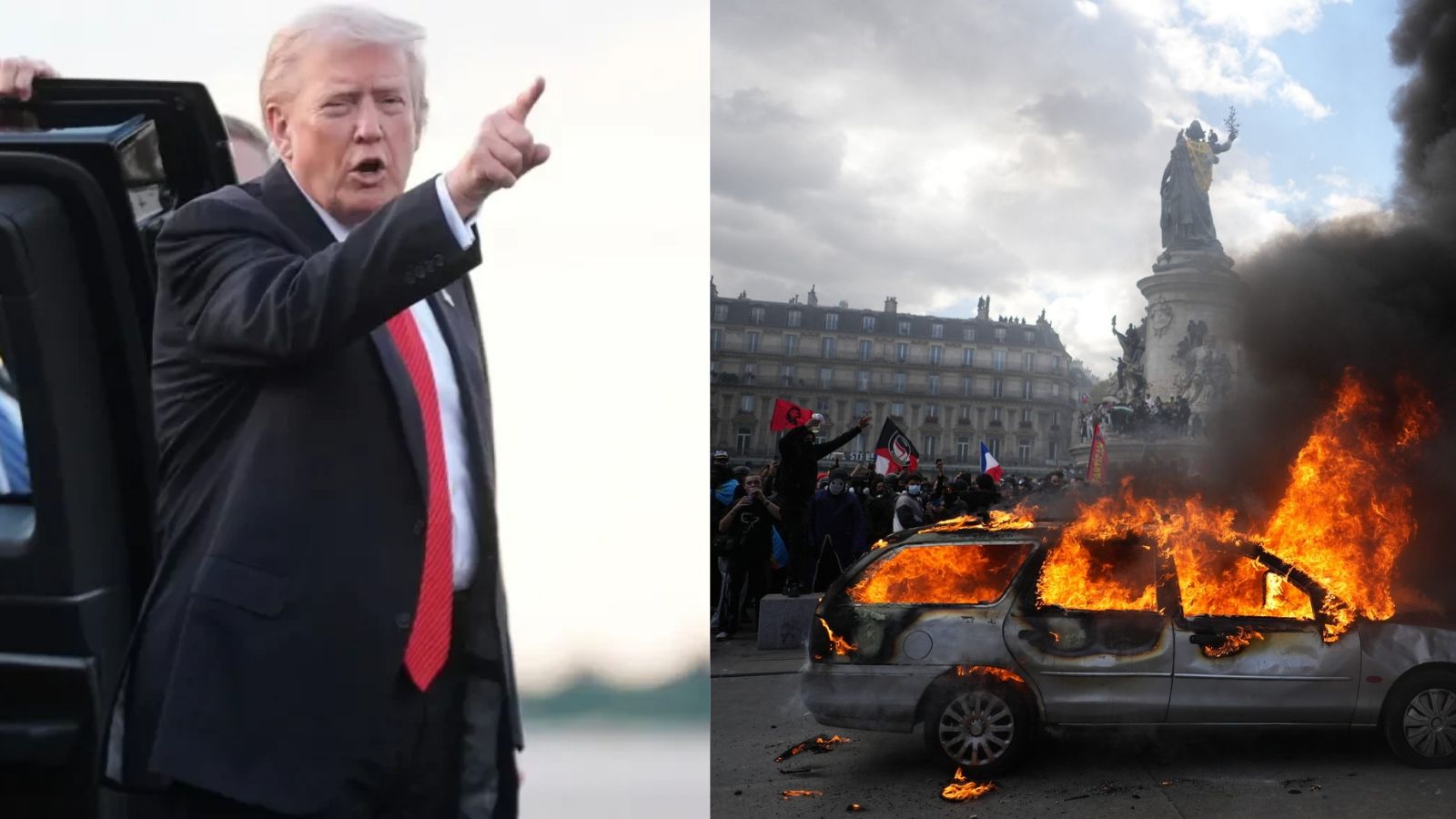
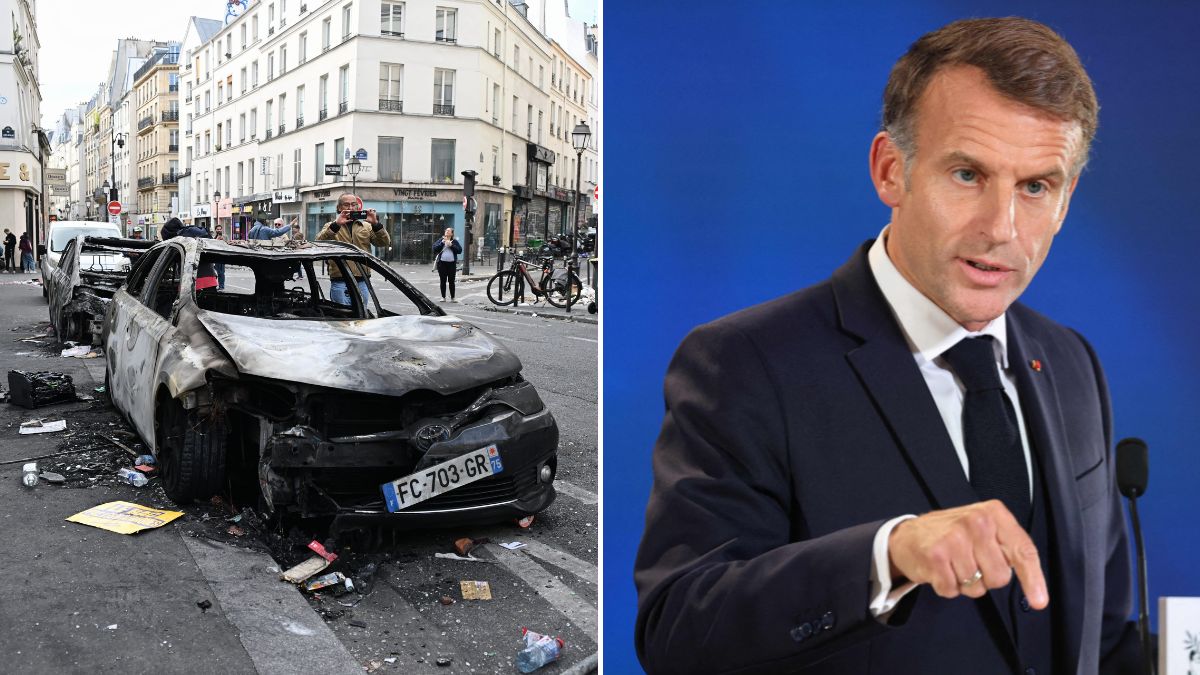
In Paris around Place de la République, rioters lit vehicles on fire and looted storefronts while tear gas filled the air. In Limoges, a fire hit the historic town hall. In Lyon, a tourist office was vandalized and set ablaze. Interior Minister Laurent Nuñez reported hundreds of injured security personnel—with later tallies across the unrest climbing even higher—while demonstrators and educators were also hurt.
Honestly, calling the whole movement a riot is lazy reporting. It's also dishonest to pretend looting a shop or burning a public building is just "enthusiastic protesting." Both truths can be real at the exact same time: teenagers have genuine gripes about their schools, and opportunists or hardline agitators hijacked chaotic street moments for destruction.
How Student Grievances Collided With Economic Rage
Students and working families feel the same fiscal vise from different angles. France has been wrestling with heavy public debt, tight budgets, and stubbornly high poverty and cost-of-living pressures. When parents feel squeezed by groceries and fuel, and teenagers sit in under-resourced classrooms worrying about their future, grievances link up fast.
Think about what happens when two big frustrations meet on the same boulevard. A high schooler marching for better school nurses or schedules isn't necessarily debating fuel taxes. Yet when union marches and anti-austerity crowds merge with student demonstrations, crowd size swells, police deployments tighten, and small sparks near barricades can spiral quickly.
What Students Demanded Ahead of Macron's Address
Before Macron addressed the nation on October 18, student organizers weren't speaking in riddles. They wanted tangible policy commitments rather than platitudes about youth being France's future.
Among the core demands raised by the student movement were:
- Abolishing Parcoursup: Students targeted the national university and higher-education admissions platform, a long-standing flashpoint over stress, opacity, and fairness in getting into post-secondary programs.
- Hiring more school nurses: Campus health support has been a recurring pressure point for students dealing with physical and mental strain.
- Better assistance for students with disabilities: Advocates and pupils pressed for real support so differently-abled students aren't left without adequate classroom help.
- Reforming school schedules: Students pushed for changes to how school days and timetables are structured.
Earlier in October, the government had announced plans to send 3,000 additional substitute teachers to struggling high schools. For many protesting students, that move looked like a band-aid rather than structural reform. You can add temporary substitutes to cover a missing teacher tomorrow, and it still won't fix an admissions bottleneck or chronic under-support on campus.
Why Parcoursup Keeps Lighting a Fuse
Parcoursup isn't just a piece of software to French teenagers. It feels like a gatekeeper standing between high school and the rest of their lives. When algorithms, waitlists, and limited spots collide with anxiety over jobs and tuition costs, frustration builds long before any protest banner is painted.
Critics of the system argue it creates intense pressure without guaranteeing clear pathways for every applicant. Defenders say a centralized platform brings order to high-demand programs. Either way, when students feel the system is stacked against them, Parcoursup becomes an easy symbol for everything unfair in education.
Macron's Response and the Split Over Policing
Ahead of Prime Minister Sébastien Lecornu's inter-ministerial meeting on October 19, Macron's address framed the violence around "unbridled violence" from ultra-left factions and delinquents exploiting demonstrations to trash public and private property. That framing matters politically. It tries to draw a sharp line between peaceful marchers and destructive actors without conceding the streets.
Still, drawing that line in real life is messy. Shopkeepers in cities like Paris and Lyon spoke of fear, shattered windows, and feeling abandoned when disorder broke out. Mayors and local leaders warned against flattening every participant into a caricature while insisting public buildings and businesses must be protected.
At the same time, mass arrests—around 1,800 linked to the clashes and looting surge, with arrest numbers rising across wider days of unrest—triggered sharp scrutiny over crowd control and force. UN human rights experts later raised alarm over the scale of arrests and detentions, including minors, warning that heavy-handed tactics risk chilling peaceful assembly and free expression.
| Tension Point | Protesters and Critics | Government and Security |
|---|---|---|
| Root cause | Underfunded schools, Parcoursup stress, high living costs | Budget limits, public debt constraints, disruptive agitators |
| Street disorder | Most marchers were peaceful; some blame police escalation | Hundreds of security officers injured; property looted and burned |
| Arrests and force | Concerns over disproportionate sweeps and detaining minors | Efforts to restore order, protect shops, and prosecute violence |
Here's the catch for any French government. If authorities crack down too hard, they fuel accusations of authoritarian overreach and inflame young demonstrators. If they hold back too much, small violent crews wreck property and erode public trust in the state's ability to keep order.
Misconceptions That Trip Up Outside Observers
One common mistake outside France is assuming a massive protest count means everyone in the country agrees on a single manifesto. A crowd can include students wanting better school nurses, union members fighting wage erosion, and people upset about fuel prices all on the same afternoon. Their goals overlap in mood, not always in policy details.
Another mistake is treating arrest totals as proof of how many peaceful protesters turned violent. Police make sweeps around flashpoints, during curfews, and in response to vandalism or looting. Counting arrests tells you how aggressively law enforcement acted; it doesn't automatically tell you what every detained person was doing five minutes earlier.
Practical Ways to Track What Happens Next
If you're following French politics, European labor unrest, or student movements, don't rely on single-day arrest headlines alone. Watch the follow-through over the days and weeks after a presidential speech.
- Check actual decrees and budgets, not just soundbites: Promises of "concrete measures" only mean something once funding, staffing numbers, and timelines are published. Look at whether school support roles and admissions rules actually change.
- Separate local bans from national policy: Mayors and prefects in specific cities sometimes impose bans or curfews after violent nights. Track whether restrictions stay localized or expand nationwide.
- Follow court and oversight outcomes: Fast-tracked prosecutions, legal challenges, and independent or international human rights reviews show how the justice system handles mass protest sweeps.
- Watch whether unions and students stay aligned: Coalitions between students and trade unions hit harder together, so pay attention to whether those groups coordinate next steps or split over tactics and concessions.
In France, street anger rarely stays confined to one room or one minister's office. Until classrooms feel supported and everyday costs ease up, the pressure won't vanish just because a speech ends.
France protests Macron address
This broadcast clip is relevant because it shows Macron addressing the nation amid the violent protests, arrests, and police injuries covered in the article.