If you think heavy trade levies stop global commerce, look closer at the paperwork. The White House recently dropped a report pointing the finger at more than forty countries. They accuse these nations of helping Chinese manufacturers sidestep billions of dollars in American import taxes through a massive rerouting scheme.
Trade data tells a wild story. While direct imports from Beijing might look flat on paper, goods keep flowing in from unexpected corners of the globe.
The Anatomy of the Transshipment Loophole
The mechanics are straightforward. When a factory in China faces steep duties to ship products straight to American ports, it changes direction. Goods travel first to a third-party nation.
Once they land in countries like Mexico, India, Canada, Japan, or South Korea, things change on paper. Workers might perform minor assembly, swap out packaging, or just rewrite the invoices. Suddenly, a product stamped as made in China transforms into an export originating somewhere else entirely.
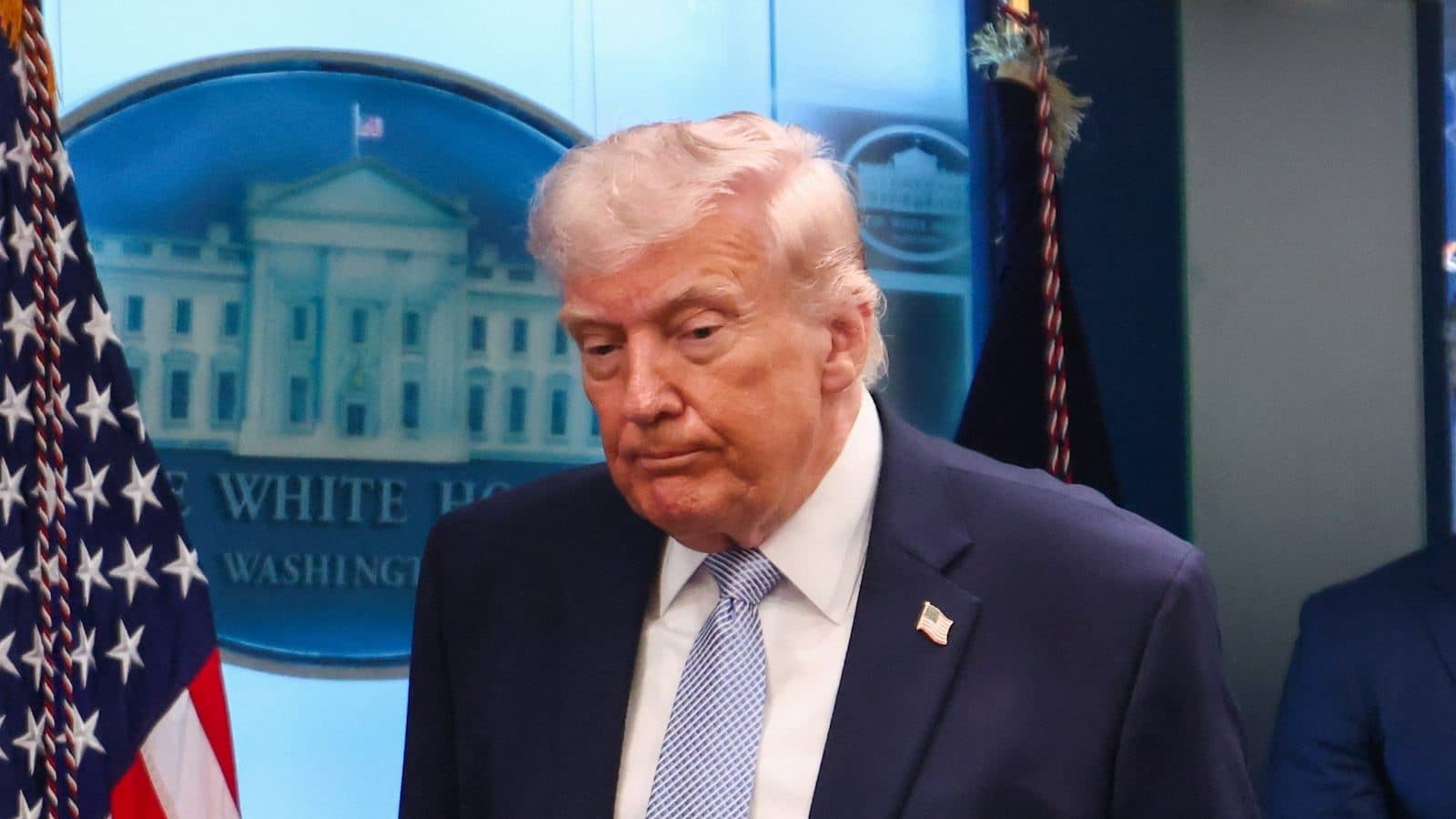
White House trade adviser Peter Navarro didn't mince words, calling the practice a massive shell game. Official estimates place the scale of these redirected goods at roughly seventy-five billion dollars. That volume translates to billions of dollars in lost federal revenue and direct pressure on domestic manufacturing hubs.
Why Global Allies Play Along
You might wonder why America's closest trading partners would risk diplomatic friction to help Beijing. The answer comes down to money and local industrial growth.
Handling these intermediate goods brings jobs, processing fees, and local tax revenue to the transit countries. For instance, industrial belts in places like India absorb components such as pumps and compressors, keeping local factories humming while masking the true origin of the hardware.
Local economies get a cut of the action. Exporters keep their margins intact despite heavy Washington levies. Everybody wins except American factories trying to compete on a level playing field.
The Artificial Intelligence Border Defense
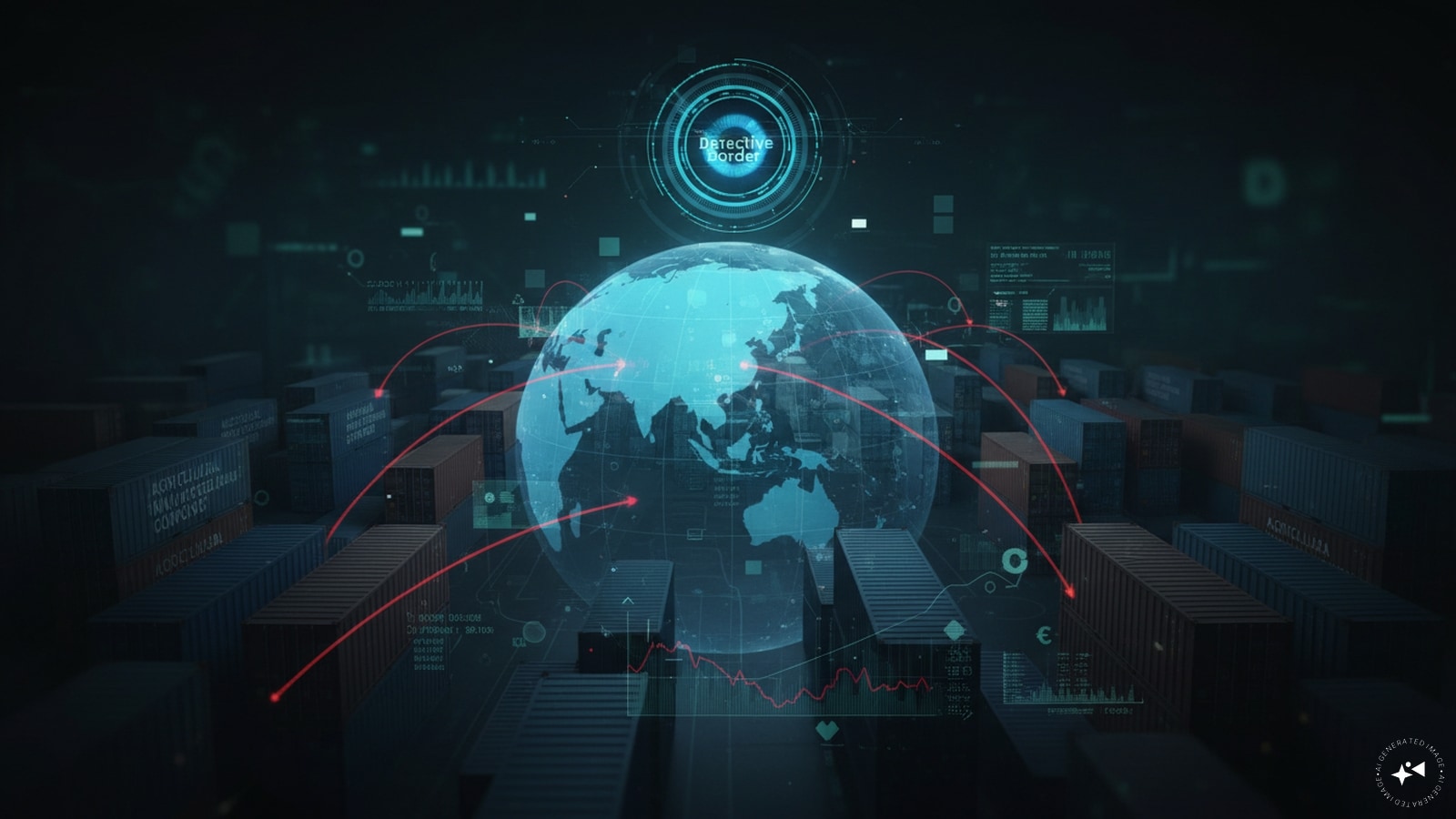
Washington isn't just complaining about the paperwork. The administration plans to deploy an artificial intelligence system nicknamed "Detective Border" to catch suspicious shipping anomalies.
This technology scans mountains of trade data, looking for sudden spikes in exports from countries that don't normally produce specific goods at high volumes. If a nation suddenly starts exporting massive quantities of high-tech gear or heavy machinery without the domestic manufacturing capacity to back it up, algorithms flag the manifest.
Importers caught faking country-of-origin labels face retroactive duties stretching back a full year. Compliance costs for global supply chains are about to skyrocket as customs agents demand ironclad proof of where raw materials actually originated.
Expect severe trade friction as these new rules hit international shipping lanes. If you manage an import business, audit your supply chain paper trail immediately. Real origin tracking is no longer optional.