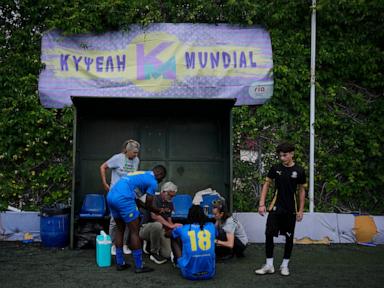
Football as a Sanctuary on the Pitch
The midday heat in Athens doesn't stop them. On dusty concrete patches and patches of worn synthetic turf, young men from Afghanistan, Syria, and across Africa run until their lungs burn. They're playing football. This isn't just weekend recreation. For thousands of asylum seekers and migrants currently living in Greece, these amateur matches represent the only space where they aren't viewed simply as statistics, political talking points, or security threats.
Football provides a rare, equalizer environment. When you're chasing a ball, your legal status vanishes. Your nationality doesn't dictate your value. The only thing that matters is your first touch and your ability to read the game.
Right now, this sense of community on the pitch feels incredibly urgent. European Union border policies are tightening significantly, creating a climate of intense anxiety across camps and urban centers in Greece. As legal pathways narrow and surveillance increases, migrant amateur teams are channeling their energy into the sport, finding a vital sense of solidarity before the political landscape shifts even further against them.
The Looming Shadow of Stricter EU Border Policies
To understand why these matches feel so intense lately, look at the broader political reality. The European Union is implementing its sweeping Pact on Migration and Asylum. This framework shifts the burden heavily onto frontline states like Greece, introducing faster border screening, expanded detention facilities, and streamlined deportation procedures.
For the players on these amateur squads, these changes aren't abstract legal text. They mean real, immediate stress. Many face the constant fear of having their asylum applications rejected under fast-tracked reviews. Others worry about increased police checks in Athens neighborhoods or sudden transfers to remote, closed-controlled access camps on the Aegean islands like Lesbos and Samos.
The upcoming enforcement creates a ticking clock. It changes the atmosphere of daily life. In this high-stress environment, football clubs serve as informal support networks. After the final whistle, players trade tips on immigration lawyers, share news about camp conditions, and help new arrivals navigate the bewildering Greek bureaucracy. The pitch has become a survival hub disguised as a sports league.
How Grassroots Football Combats Isolation in Athens
Social isolation kills the human spirit long before a deportation order arrives. When asylum seekers land in Greece, they are often segregated from local society. Language barriers are steep. Local job markets are tough to crack.
Grassroots football initiatives break down these walls. Organizations like Organization Earth and various independent anti-racist leagues across Athens have spent years organizing tournaments that bring together migrant squads and local Greek amateur teams.
- Shared spaces: Matches are held in public parks and municipal pitches, forcing interaction between groups that otherwise live parallel lives.
- Cultural exchange: Food, music, and language mix naturally on the sidelines.
- Mutual support: Greek coaches and players frequently assist migrant teammates with donations of gear, clothing, and legal contacts.
I've watched these matches unfold. You see a young guy from Sudan who barely speaks a word of Greek communicating flawlessly with a local defender through quick hand gestures and shared intuition. It proves that integration doesn't require complex government integration programs. Sometimes it just requires a ball and two goalposts.
The Reality Check of Funding and Infrastructure
Let's be completely honest about the situation. Running an amateur football team for refugees is a logistical nightmare. These clubs don't have wealthy donors or corporate sponsorships. They rely on passion and thin budgets.
Finding a place to play is the biggest hurdle. Municipal pitches in Athens are fiercely guarded by local neighborhood clubs. Migrant teams often get stuck with the worst time slots—late at night or during the blistering afternoon heat. Pitch rentals cost money. Boots wear out quickly on harsh gravel and old turf. Kits are often a mismatched collection of donated shirts from various European clubs.
Transportation is another barrier. When a team based in an outskirts camp like Malakasa needs to play a match in central Athens, getting twenty players onto public buses and trains without transit cards or legal papers can turn into a high-risk mission. Yet, they show up every single week. They find a way because the alternative—sitting idly in a metal container container-home inside a fenced camp—is bad for mental health.
Why True Integration Needs to Move Beyond the Pitch
Sport is powerful, but we shouldn't romanticize it to the point of ignoring reality. Winning a local amateur trophy doesn't grant a player a residency permit. It doesn't stop a Frontex patrol boat, and it won't change the minds of hardline policymakers in Brussels.
Football is a temporary relief valve. It keeps hope alive, but true integration requires systemic change. The skills these players show on the field—discipline, teamwork, resilience under pressure—are exactly the traits that would make them incredible assets to the local workforce and community. Right now, European policies are designed to keep these talents locked behind camp fences rather than allowing them to enrich society.
If you want to support these players, watching from the sidelines isn't enough. Volunteer with local solidarity networks. Donate high-quality gear to grassroots clubs. Most importantly, challenge the political rhetoric that paints these young athletes solely as a crisis to be managed. They are humans looking for a fair game and a safe place to build a life. Get involved with local initiatives like the Melissa Network or Athens-based migrant community centers to see how you can contribute directly to the infrastructure keeping these teams alive.