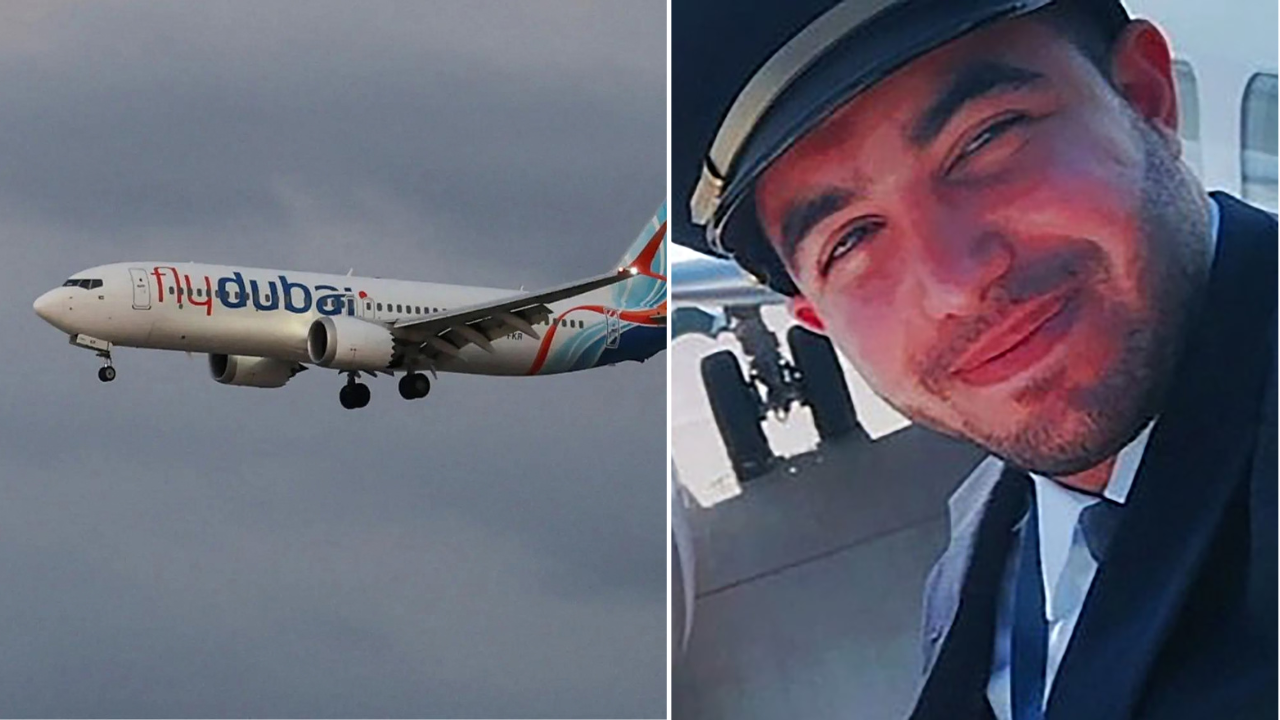
When a commercial flight turns into a battlefield at 34,000 feet, the illusion of foolproof aviation safety shatters instantly. Recent findings from United Arab Emirates investigators into the attempted hijacking of Flydubai Flight 1073 reveal a chilling reality. The co-pilot behind the cockpit assault wasn't just acting on a sudden impulse. According to UAE probes, the perpetrator's obsession with aviation destruction traces all the way back to the September 11 attacks, planting a multi-year seed that eventually materialized in a horrific attempt to weaponize a Boeing 737 MAX.
If you've followed aviation news, you know how close this flight came to total catastrophe. But the deeper story isn't just about a single rogue first officer. It's about how an individual harboring extremist ideology slipped through international background checks, flight school filters, and airline recruitment processes. Let's look at what the investigation actually uncovered and why commercial aviation security needs a radical overhaul.
The Long-Term Anatomy of a Cockpit Threat
The mechanics of the Flydubai incident read like a worst-case scenario for flight safety engineers. Flight 1073 was bound for Tel Aviv from Dubai when first officer Hamam al-Hammami launched a brutal surprise attack on the captain using the cockpit emergency axe. With the captain seriously wounded, the co-pilot reportedly forced the aircraft into a terrifying, rapid descent, plunging more than 17,000 feet in under a minute.
UAE Attorney General Hamad Saif Al Shamsi confirmed through state media that the suspect's intent was modeled directly after the 9/11 attacks. Investigators revealed that the plot had roots dating back years, with the perpetrator using professional travel to scout targets and gather intelligence.
What makes this particularly disturbing is the timeline. This wasn't a radicalization that happened overnight. Security agencies tracking the background of the co-pilot discovered a trail pointing toward extremist sympathies, online footprints praising historical terror figures, and missed red flags across multiple jurisdictions including previous training stints abroad. When someone spends years executing a long-con strategy to infiltrate the flight deck, standard HR vetting simply collapses.
Where Traditional Airline Vetting Fails
Airlines pride themselves on rigorous screening processes. Psychological evaluations, background checks, and technical proficiency exams are supposed to create an impenetrable barrier. Yet, the Flydubai investigation exposed massive blind spots in how commercial carriers detect ideological extremism and psychological instability.
Airlines look for flying skills, clear criminal records, and medical fitness. They do not routinely conduct deep-dive ideological audits or monitor private digital footprints for subtle shifts toward radicalization. When a pilot maintains a professional demeanor at work while quietly consuming extremist propaganda at home, the cockpit door becomes a liability rather than a defense mechanism.
Security experts have pointed out hard truths about pilot screening:
- Psychological evaluations often rely on self-reporting, making it easy for deceitful individuals to fake a stable persona.
- International cooperation between intelligence agencies and private commercial airlines remains fragmented, leaving gaps where threat actors can slip across borders and secure jobs.
- The sheer demand for commercial pilots globally creates pressure to fast-track recruitment, occasionally compromising the depth of background scrutiny.
The Heroism That Prevented a Greater Tragedy
Catastrophe was only averted because of sheer human grit and split-second survival instincts. Captain Smit Machchhar fought back against relentless axe blows inside a confined space, managing to open the cockpit door before losing consciousness. Passengers and deadheading pilots on board rushed forward to physically restrain the attacker, while off-duty crew members took control of the aircraft and safely diverted it to Saudi Arabia.
Without that desperate, bloody struggle at the controls, Flight 1073 would likely have impacted its target destination with catastrophic loss of life. It highlights an uncomfortable truth about modern air travel. For all our advanced avionics, automated flight paths, and reinforced security doors, safety still often boils down to someone physically overpowering a threat inside a space the size of a walk-in closet.
Fixing the Blind Spots Before the Next Incident
Governments and regulatory bodies are scrambling to tighten loopholes following the UAE probe's findings. Israel and other international aviation authorities are demanding mandatory reviews of cockpit security protocols, enhanced pilot mental health monitoring, and cross-border intelligence sharing for flight crews.
If the industry wants to prevent copycat incidents inspired by decades-old tragedies, the approach to insider threats must change. Vetting cannot stop the day a pilot gets hired. Continuous monitoring, better behavioral anomaly detection, and stricter oversight of digital behavior are no longer optional extras. They are essential requirements for keeping millions of passengers safe every single day.