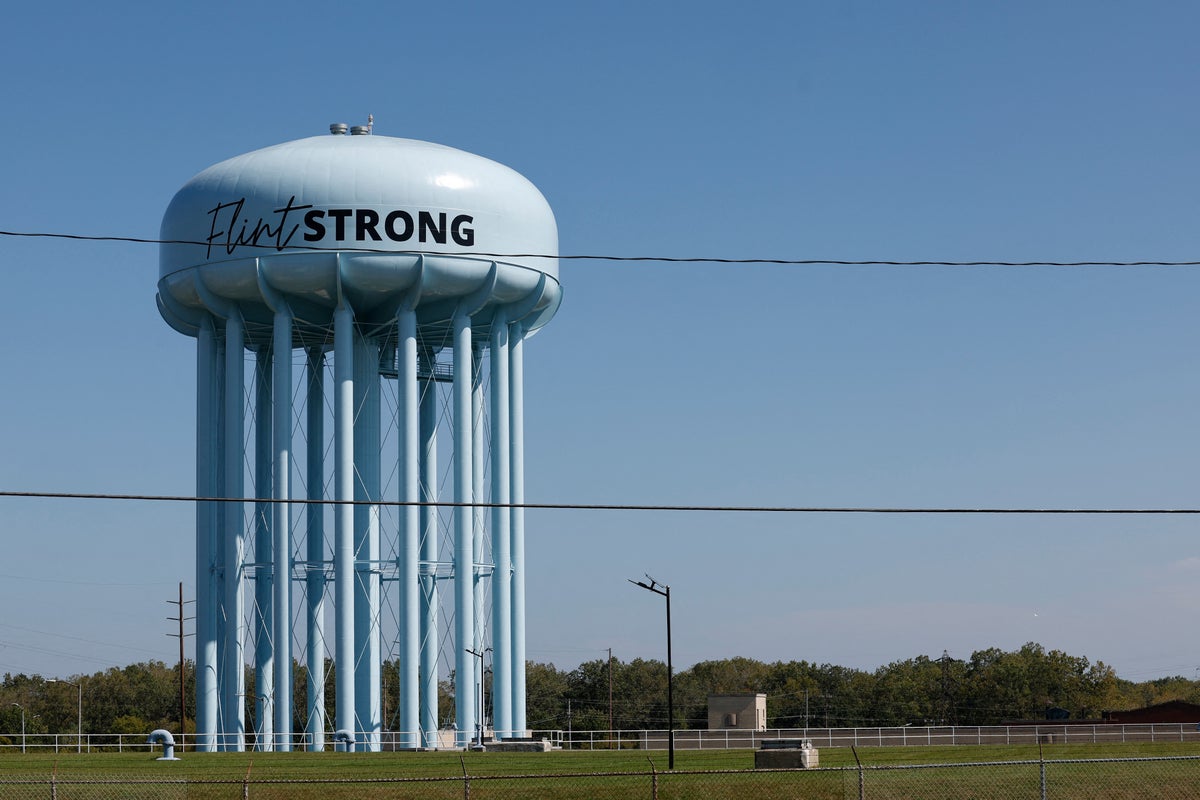
Accountability rarely arrives neat and tidy, but for the residents of Flint, Michigan, it has essentially failed to arrive at all. Michigan Attorney General Dana Nessel recently dropped a massive 101-page report detailing the years-long criminal investigation into the man-made water disaster. It marks the absolute end of the road for any state-level criminal prosecutions. If you were hoping to see top government officials walk into a courtroom and face a jury over lead-tainted drinking water, you are out of luck.
Let's look at what actually happened. Back in 2014, a cash-strapped Flint switched its municipal water source from Detroit to the Flint River to save money. State-appointed financial managers oversaw the transition. Nobody bothered to properly treat the corrosive river water. That failure caused lead to leach from old municipal service pipes straight into family homes for roughly eighteen months. Children drank poisoned water while state health officials insisted everything was fine.
When Nessel took office in 2019, she threw out the work of a previous special prosecutor and assembled a brand-new team. That team bypassed traditional preliminary examinations and brought charges against nine people—including former Republican Governor Rick Snyder—using a secret one-person grand jury process.
It looked like a breakthrough on paper. In reality, it was a massive legal gamble that ultimately collapsed.
How Procedural Errors Broke the Case
The entire criminal strategy unraveled because of a fatal procedural flaw. In 2022, the Michigan Supreme Court unanimously ruled that the one-person grand jury statute did not actually give judges the power to issue indictments. Defendants had a statutory right to a preliminary exam, a fundamental step that the secret grand jury bypassed.
Just like that, forty-two felony and misdemeanor charges against nine individuals were thrown out. Prosecutors tried salvage missions and appeals, but the high court shut the door completely.
Nessel defended the original choice to use the grand jury mechanism, calling it the smartest path available under difficult circumstances. Critics argue it was a shortcut that backfired spectacularly. When courts invalidate charges on technicalities, nobody wins except the defendants who escape judgment. The newly released report is meant to document the evidence that juries never got to hear. But a summary on a website is a poor substitute for a guilty verdict.
Where the Money and Cleanup Stand Today
While the criminal courts failed to deliver convictions, civil litigation managed to secure massive financial payouts. A federal judge approved a massive $626 million settlement back in 2020, aimed largely at children who suffered long-term exposure to lead. Around $170 million in federal and state funds poured into infrastructure fixes. The Environmental Protection Agency eventually lifted its emergency order after the city replaced dangerous service lines and met strict federal water quality benchmarks.
Money helps replace pipes, but it doesn't erase the deep institutional betrayal felt across the community. Past leaders walked away without criminal records, leaving residents to deal with the permanent fallout of a broken public trust.
You can read the full text of the state's final document through the Michigan Attorney General Office records to examine the evidence firsthand. Look past the political spin and focus on the systemic failures that allowed a municipal utility to poison an entire American city.
Criminal cases dismissed against Flint water defendants
This video provides direct context on the court rulings that ultimately dismissed the criminal indictments tied to the Flint water crisis.
http://googleusercontent.com/youtube_content/1