The air does not move. It hangs in the narrow alleyways of the city like a wet wool blanket, trapping the smell of hot asphalt and exhaust long after the sun has slipped below the horizon. At three in the morning, the bedroom thermometer reads ninety-two degrees. There is no breeze to stir the curtains. There is only the low, mechanical drone of a window unit fan fighting a losing battle against an atmosphere that feels less like weather and more like an invisible, slow-moving tide.
We talk about extreme weather in terms of drama. We look for the footage of roaring flash floods tearing through riverbeds, or splintered pine trees scattered across suburban roofs like matchsticks. Those disasters leave signatures we can photograph. They demand immediate, breathless coverage.
Yet the most lethal weather events arrive in absolute silence.
Consider a hypothetical seventy-eight-year-old man named Arthur, living alone on the third floor of an older brick apartment building without central air conditioning. To Arthur, the heat wave does not look like an emergency. It looks like another Tuesday. He closes his windows to keep out the heavy glare, sits in his worn armchair, and drinks a glass of tap water. He feels slightly sluggish, a bit dizzy when he stands to check the mail, but he attributes it to age. He doesn't know that his core body temperature is quietly creeping upward, or that his cardiovascular system is working overtime, pumping blood frantically toward his skin just to cool him down.
When the human body operates under sustained thermal stress for days on end, without a single night of physiological relief, internal systems begin to break down one by one. The heart strains. Kidneys struggle under dehydration. Pre-existing conditions—heart disease, diabetes, respiratory illness—flare with terrifying speed. By the time Arthur feels truly sick, the damage is already structural.
This is the hidden architecture of climate-driven mortality. It is rarely listed as a dramatic headline on the evening news. Instead, it registers weeks later in statistical spreadsheets compiled by public health agencies, recording an invisible surge in excess deaths.
And the global stage is currently being set for a masterclass in this exact kind of silent pressure.
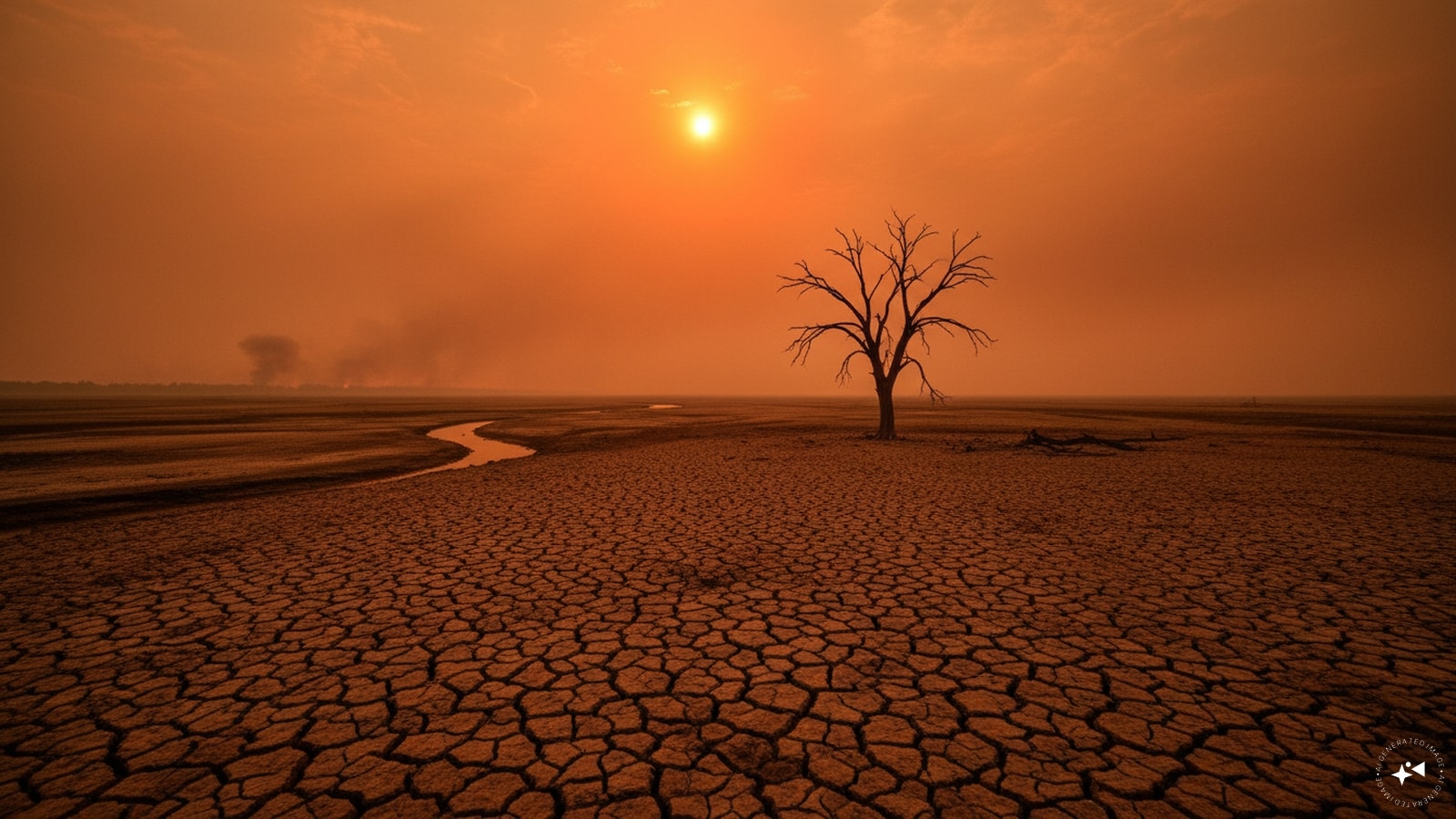
Behind the rising thermometer sits a familiar, powerful climate cycle: El Niño. When waters in the equatorial Pacific warm up, they act like a massive radiator cranked to high, altering atmospheric circulation across the globe and driving global temperatures upward. Scientists and international public health groups have issued stark warnings based on these compounding factors. In years heavily influenced by these conditions, the cumulative toll of sustained, abnormal heat can translate to hundreds of thousands of excess fatalities worldwide.
Nearly half a million more deaths.
Pause on that number. Let it drift past the armor of statistical numbness. That is not an abstract projection on a slide deck. That is a stadium filled to capacity, emptied out by a fever.
Why does heat kill with such ruthless efficiency? To understand it, we have to look past the number on the mercury and examine how our bodies actually manage heat. We are, at our biological core, tropical creatures with internal thermostats tightly calibrated to around ninety-eight point six degrees Fahrenheit. When the external environment pushes against that limit, our primary defense is sweat. As moisture evaporates from our skin, it cools us.
But evaporation requires a cooperating atmosphere. When humidity climbs alongside temperature—a common signature of modern heat waves—the air is already saturated. Sweat cannot evaporate. The cooling mechanism fails entirely.
The body responds by redirecting blood flow away from vital organs toward the skin surface, forcing the heart to beat faster and harder. For a young, healthy athlete, this is a manageable strain. For an elderly person, an outdoor laborer, an infant, or someone managing chronic illness, it is a relentless marathon with no finish line. If the night offers no cooling reprieve—if nighttime temperatures stay stubbornly high—the body never gets the chance to reset. The cardiovascular system stays pegged at maximum effort day after day, until something gives.
The tragedy of this dynamic is its profound inequality. Heat does not distribute its burden fairly.
Walk through a wealthy suburb during a July heat wave, and you will see green lawns, automated sprinklers, and the hum of efficient central heat pumps humming quietly behind pristine fences. Walk through an under-resourced urban neighborhood just a few miles away, and the picture shifts entirely. Here, you find the urban heat island effect in full effect. Acres of dark asphalt, concrete buildings that absorb solar radiation all day and radiate it back out through the night, and a dense concentration of buildings with minimal tree canopy or green spaces.
In these neighborhoods, residents live in thermal traps. Many cannot afford high electricity bills to run ancient, inefficient window air conditioners continuously. Others live in rental units where landlords are not legally required to provide cooling equipment. For them, surviving an El Niño-driven summer is a daily exercise in risk management: Do I open the window for air and let in the suffocating smog, or keep it shut and turn my apartment into a slow-cooker?
Public health officials often talk about adaptation, pointing toward cooling centers, hydration stations, and public awareness campaigns. These are vital lifelines, absolutely. Yet they treat the symptom while the root cause accelerates. We cannot distribute enough bottled water or open enough air-conditioned community centers to outpace a fundamentally shifting climate system.
The real work requires a total reimagining of how we build and inhabit our spaces. It means rethinking urban design, planting millions of trees to shade concrete corridors, mandating cool roofs that reflect solar radiation rather than absorbing it, and treating access to reliable, affordable climate control not as a luxury item, but as a fundamental public health utility.
Until we make those structural shifts, the atmosphere will continue to test the limits of human resilience.
Summer will arrive not with the sudden crash of a hurricane, but with the quiet, suffocating stillness of a windless night. The air will feel thick. The thermometer will climb past ninety. And inside thousands of quiet rooms, vulnerable lives will hang in the balance, waiting for a dawn that brings no relief.