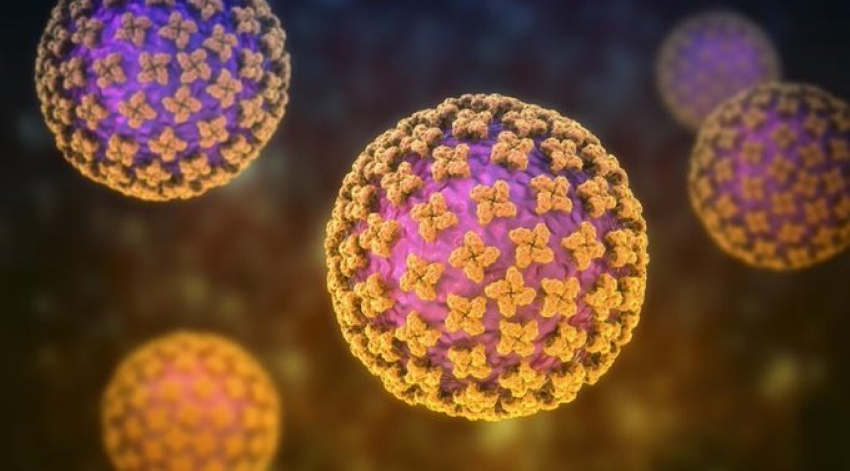
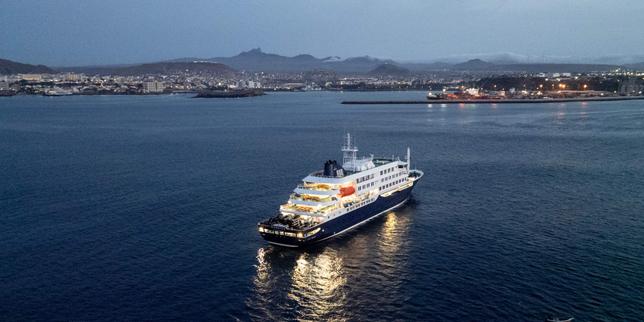
The headlines are bleeding again. Argentina is investigating a "deadly" hantavirus outbreak on a cruise ship. The media is doing what it does best: taking a localized, biological anomaly and wrapping it in the aesthetics of a global contagion thriller.
Stop panicking. You are being fed a narrative that fundamentally misunderstands how viruses work, how ships are managed, and how risk is calculated in the modern world.
The "lazy consensus" here is that cruise ships are floating petri dishes just waiting to spark the next pandemic. The reality? You are likely safer in the middle of the Atlantic than you are in a suburban backyard in the Americas.
The Hantavirus Boogeyman Meets High Seas Logistics
Hantavirus is terrifying because it is rare and lethal. But let’s look at the actual transmission vectors. In the Americas, specifically South America, we deal with the "New World" hantaviruses that cause Hantavirus Pulmonary Syndrome (HPS).
Here is what the alarmist reports won't tell you: Hantavirus is not a "ship" virus. It is a "dirt" virus.
Transmission almost exclusively occurs through the inhalation of aerosolized droppings, urine, or saliva from infected rodents—specifically deer mice or rice rats. Unless the cruise line is operating a grain silo in the engine room or storing the buffet sourdough in a barn in rural Patagonia, the ship is one of the most hostile environments on earth for the virus to survive.
Standard industry practice for any vessel entering Argentine or Chilean waters involves rigorous pest control protocols that would make a hospital operating room look casual. I have spent years auditing maritime logistics. These ships don't just "get" rodents. They are sealed steel environments with 24-hour cleaning cycles.
To suggest a ship is the source of a hantavirus outbreak is to ignore the basic biology of the Bunyaviridae family.
The Myth of the Floating Petri Dish
The media loves the "petri dish" trope because it’s easy. It’s a visual shorthand for "lots of people in a small space."
But if we look at the data provided by the CDC’s Vessel Sanitation Program (VSP), cruise ships are actually some of the most scrutinized public spaces on the planet. Every gastrointestinal event is logged. Every fever is tracked.
The "consensus" view says cruise ships spread disease faster. The "insider" truth is that cruise ships detect disease faster.
If three people get sick in a high-rise apartment building in New York, nobody notices. If three people get sick on a ship, the captain knows within four hours and a quarantine protocol is initiated. We aren't seeing more outbreaks; we are seeing more reporting.
The Argentine investigation isn't a sign of a failing system. It is a sign of a hyper-vigilant one. By the time the news hits your feed, the risk has usually already been mitigated, the contacts traced, and the surfaces bleached three times over.
Why You Are Asking the Wrong Questions
When people see these headlines, they ask: "Is it safe to go on a cruise?"
That is the wrong question. The right question is: "What is my actual baseline risk compared to this outlier?"
| Location | Primary Risk | Transmission Likelihood |
|---|---|---|
| Cruise Ship | Norovirus (rarely) | High (fomite-based) |
| Rural Campsite | Hantavirus | Moderate (environmental) |
| Public Transit | Influenza/COVID | Very High (respiratory) |
| Your Own Home | Household Accidents | Constant |
You are far more likely to contract hantavirus by cleaning out an old shed in your backyard than by sitting on a balcony in the South Atlantic. The focus on the cruise ship is a classic case of availability heuristic—we overestimate the risk of events that are dramatic and easy to visualize while ignoring the mundane risks that actually kill us.
The Brutal Reality of Marine Quarantine
Let’s talk about the "investigation" process.
Argentina’s health authorities are mandated to investigate any cluster of illness. This is procedural, not apocalyptic. When a ship is flagged, the port health authorities perform a clinical audit.
- Environmental Sampling: They aren't just looking for sick people; they are looking for the rodent vector. If they don't find the mouse, they don't have a source.
- Serological Testing: They check for antibodies to see if the infection happened before the passenger boarded.
- Logistics Mapping: They look at where the ship docked.
In most cases involving hantavirus and maritime travel, the infection is "imported." A passenger goes on a trekking excursion in a high-risk area (like the Andean forests), breathes in some dust in a rustic cabin, and then boards the ship. The ship isn't the incubator; it’s the taxi.
Attacking the cruise line for a hantavirus case is like blaming a commercial airline because a passenger caught a cold at the airport terminal. It’s logically bankrupt.
The Logic of Selective Outrage
Why don't we see "Investigation into Deadly Pathogen at Local Hiking Trail" every time someone gets sick in the woods?
Because there is no corporate entity to sue. There is no massive, shiny hull to photograph for the evening news. The cruise industry is an easy target for "pathogen theater" because it represents a concentrated point of high-value commerce.
If you want to be a contrarian, stop looking at the ship. Look at the shore excursions. The real risk in South American travel isn't the 1,000-thread-count sheets in your cabin. It’s the "authentic" rural experience you paid $200 for in a region where zoonotic diseases are endemic.
The Cost of Overreaction
I have seen companies spend millions on "enhanced" sanitation protocols that do nothing but erode the guest experience for the sake of optics.
When a hantavirus scare hits, the knee-jerk reaction is to spray more chemicals. But hantavirus is highly susceptible to simple detergents and UV light. It’s a fragile virus outside its host. The overkill we see in response to these headlines isn't about science; it’s about liability management.
We are training the public to be afraid of the wrong things. We are teaching people to fear a sterilized, controlled environment while they ignore the actual environmental risks of the regions they are visiting.
The Takeaway Nobody Wants to Hear
The "deadly outbreak" in Argentina will likely turn out to be a handful of isolated cases with a common terrestrial source. The ship will be cleared. The media will move on to the next scare.
But the damage to the public’s understanding of epidemiology remains.
If you are actually worried about your health, stop reading the cruise ship "death toll" tickers. Check your vaccination records. Wash your hands after you touch a handrail—not because of hantavirus, but because norovirus is the actual king of the sea and it doesn't care about your vacation plans.
Hantavirus is a tragedy for those it hits, but as a threat to the traveling public on a modern vessel? It’s a statistical ghost.
Stop letting the news cycle dictate your internal risk assessment. The most dangerous part of your cruise was the Uber ride to the airport.
Go back to the buffet. The mouse isn't there.