Ground does not simply move. It betrays.
For generations, we teach our children that the earth beneath our feet is the one constant we possess. We build our homes upon it, bury our dead within it, and carve our borders across it, trusting a silence that has lasted for millennia. But tectonic plates harbor long memories and short tempers. When they shift, they do not negotiate. They fracture.
Weeks apart, two separate tremors tore through the northern shoulder of South America. Venezuela trembled first. Then, Colombia shuddered. On paper, seismographs recorded similar magnitudes, comparable depths, matching numbers on a logarithmic scale that scientists use to quantify planetary violence. Two earthquakes. Weeks apart.
If you read the cold dispatches from global newswires, the story ends there with casualty counts and structural damage estimates. But numbers are an anesthetic. They numb the mind to the terrifying reality of what happens when the floor drops out from under civilization. The true measure of a disaster is never found in the Richter scale. It is found in the machinery of mercy that grinds into motion afterward.
And that machinery tells two vastly different stories.
The Anatomy of a Fracture
To understand what happened when the earth buckled, we must step away from the abstract maps and imagine a specific kitchen. Let us call it Caracas, though it could just as easily be a hillside shanty clinging to the precipice of the Venezuelan capital.
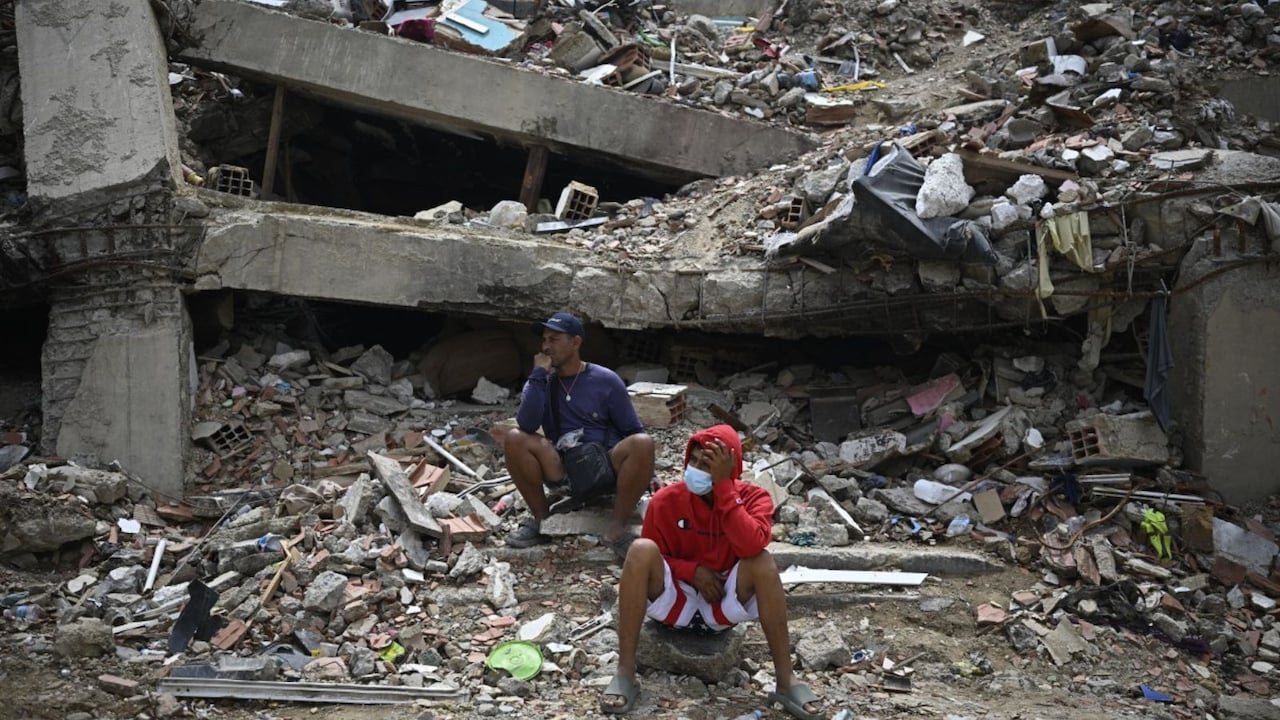
It is morning. The air smells of roasting coffee and exhaust. A mother is packing an empanada into a plastic lunchbox for her daughter. Suddenly, the coffee cup dances across the Formica counter. The floor rolls like the deck of a ship caught in a rogue wave. Concrete groans—a sound like tearing metal that chills the marrow.
In seconds, the walls crack. Plaster rains down. The power dies, plunging the room into gray, dust-choked gloom.
This is where the physical earthquake ends and the human earthquake begins.
In Venezuela, the tremor hit a nation already staggering on its knees. Years of economic collapse had hollowed out hospitals, stripped supermarket shelves bare, and driven millions of doctors, engineers, and rescue workers across international borders in search of survival. When the earth shook, it did not find a functioning state ready to catch its falling citizens. It found a ghost apparatus.
Rescue efforts did not begin with coordinated sirens and professional disaster response teams descending from the skies. They began with bare hands.
Neighbors crawled through the rubble of collapsed apartment blocks using kitchen spoons and rusted iron rebar. They formed bucket brigades in the dark, calling out names into the dust. Hours passed. Then days. The official state response, constrained by severe fuel shortages, crippled logistics, and an institutional reluctance to admit vulnerability to the outside world, moved with the agonizing sluggishness of a glacier. Ambulances lacked tires. Fire stations lacked water.
Consider the raw, harrowing irony of that moment: nature had inflicted a wound, but human politics ensured it would fester.
People died not because the magnitude of the tremor was unsurvivable, but because the infrastructure of care had been systematically dismantled long before the first fault line gave way. When aid finally trickled in, it was often bottlenecked by bureaucracy and suspicion. The victims did not just mourn their lost homes; they mourned the agonizing realization that no one was coming to save them.
The Other Side of the Ridge
Weeks later, across the Andean spine in Colombia, the earth stirred again.
Another tremor. Another sudden reminder of our radical fragility. But the landscape of response looked entirely alien.
In Bogotá and the regional departments closer to the epicenter, the ground rolled with equal fury. Homes crumbled. Landslides severed rural mountain passes, burying livestock and isolating coffee farmers. Yet, within minutes of the shaking stopping, the sky filled with the rhythmic thrum of rotor blades.
This was not because Colombia is immune to chaos or free from poverty. Far from it. It is a nation scarred by decades of internal conflict and deep socioeconomic divides. But what changed the equation was preparedness and institutional muscle memory.
Colombia sits in one of the most seismically volatile zones on the planet, and its institutions have learned, through bitter historical tuition, to expect the worst. The national disaster risk management unit did not wait for presidential decrees or centralized authorization. Protocols triggered automatically. Emergency corridors were cleared. Specialized canine search units, trained to scent human life beneath tons of shattered concrete, were deployed within the hour. Field hospitals, pre-positioned in high-risk zones, rolled out onto village greens before the dust had even settled.
I spoke once with a structural engineer who lived through the Manizales disaster decades ago—an event that seared caution into the national psyche. He told me something that stayed with me ever since.
"An earthquake is a test," he said, adjusting his glasses, his hands calloused from decades of inspecting concrete integrity. "The earth writes the exam. But the government, the community, the people—they write the answers ahead of time. If you wait until the shaking starts to study, you have already failed."
In Colombia, the rescue effort was imperfect, messy, and overwhelmed in the most remote mountain hamlets. Rural roads took days to clear. Families wept over lost harvests and ruined adobe walls. But the structural safety net held. Search and rescue teams operated with precision. Triage tents lit up the night with halogen lamps. Blood banks mobilized.
The contrast was not merely geographical. It was moral.
The Invisible Stakes
Why do these differences matter if the ground shakes equally for everyone?
Because we live in an interconnected world where borders are porous to disaster. Climate change, economic instability, and tectonic fury do not respect national sovereignty. When we look at Venezuela and Colombia side by side, we are not just looking at a regional news item. We are looking into a mirror that reflects how fragile our modern social contracts truly are.
A disaster is never purely natural. Every earthquake, flood, and wildfire is a collision between natural fury and human vulnerability.
When a society invests in transparency, institutional strength, and public trust, it builds an invisible scaffolding that supports its citizens long before the ground begins to shake. When a society rots from corruption, censorship, and institutional neglect, the buildings are not the only things that collapse. The social fabric tears away, leaving individuals completely naked to the elements.
In Venezuela, families learned to rely exclusively on themselves and their immediate communities. In Colombia, families relied on a complex, imperfect, but functioning web of state and civil society protection.
Both nations experienced the raw terror of the earth moving beneath their feet. Both nations heard the sickening crack of breaking masonry. But one was left to dig through the dark with bare fingers, while the other had searchlights cutting through the night sky.
The Final Tremor
The ground is quiet now. Seismographs have registered the aftershocks, watched them taper off into jagged little squiggly lines on computer monitors, and finally return to baseline silence.
The news cycles have moved on. New headlines have buried the old ones under an avalanche of fresh crises, elections, and scandals. The collapsed walls in Caracas and the landslide scars in the Colombian cordillera are slowly being swallowed by weeds and routine.
Yet, the fault lines remain. They run deeper than the Nazca plate or the Caribbean plate. They run right through the heart of how we govern, how we care for one another, and how we prepare for the inevitable day when the earth decides to remind us, once again, that we do not own the ground we walk upon.
Listen closely in the quiet hours before dawn. If you pay attention, you can still hear the tectonic plates grinding slowly, silently, beneath your feet, waiting for the moment they will test us all over again.