The sound begins before you are fully awake. It is not a gentle chime or a familiar ring. It is an electronic wail, high-pitched and jagged, slicing through the quiet hours of a Tuesday morning.
Across Kyiv, thousands of glowing rectangles light up in the dark. Phones buzz in unison, a synchronized chorus of urgency that has played out thousands of times since the invasion began. In a tiny kitchen on the fourth floor of a Soviet-era apartment block, a woman sits at a small wooden table. She does not jump. She does not run. She stares at her cold cup of tea, listening to the metallic shriek vibrating from her pocket.
She is tired. Not the kind of tired that a good night of sleep can cure. This is a marrow-deep exhaustion, born of repetition, waiting, and the quiet erosion of time.
Psychologists call it habituation. The human brain, magnificent and flawed, is designed to normalize threats if they persist long enough. When a siren wails every single day, sometimes multiple times a day, the acute terror that once sent people scrambling into damp concrete basements slowly curdles into something far more dangerous: apathy.
Consider what happens next.
The air raid alert lasts for forty-five minutes. In the streets below, a few pedestrians walk briskly, heads down against the wind. Delivery couriers on bicycles weave past concrete barricades, their thermal backpacks bobbing. They hear the sirens, too. They know the statistics. They know that a Russian Kinzhal missile can cross the sky in minutes, leaving almost no window to react. Yet, the delivery must be made. The rent must be paid. Life, stubborn and frantic, rushes to fill the void left by fear.
This is the psychological paradox of endurance. To survive a war of attrition, people must keep working, breathing, and functioning. But to function, they have to switch off the primal alarm bells in their heads. They gamble with probability. Every time they stay in bed instead of heading to a shelter, every time they keep typing an email while the windows rattle from distant anti-air fire, they are placing a quiet bet against fate.
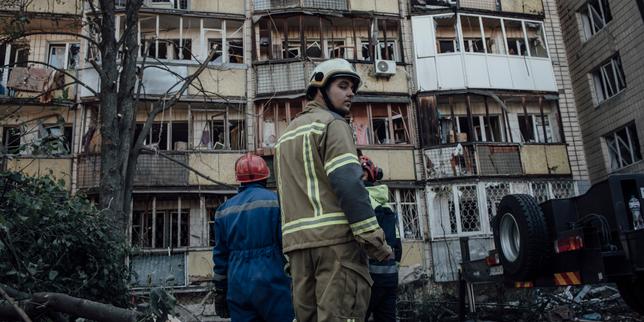
Most days, the bet pays off. The air defense systems intercept the incoming threat, turning a supersonic projectile into a brilliant flash of light over the horizon, followed by a dull thud that rattles loose windowpanes. Dust falls from the ceiling. A car alarm goes off on the street. Then, silence returns.
People brush the plaster dust off their shoulders and go back to work.
This normalization is a shield, but it is also a trap. When the threat becomes routine, the outside world begins to look away. International news cycles shift toward the next crisis, the next election, the next economic tremor. The sirens in Ukraine become background noise to global viewers, just as they have become background noise to the people living beneath them.
The weight of this invisible fatigue is heavy. It shapes the way people speak to one another. Conversations are shorter, laced with a strange, sharp humor that only those under siege can truly understand. Smiles are quick and fragile. Plans are rarely made for next year, or even next month. Tomorrow is an abstraction. Today is the only unit of time that matters.
In that Kyiv kitchen, the phone finally stops wailing. The silence that follows is not peaceful; it is heavy with anticipation. The woman picks up her lukewarm tea, takes a sip, and opens her laptop to start the workday. The siren will sound again before nightfall. Everyone knows it. But the tea is cooling, and the morning will not wait.