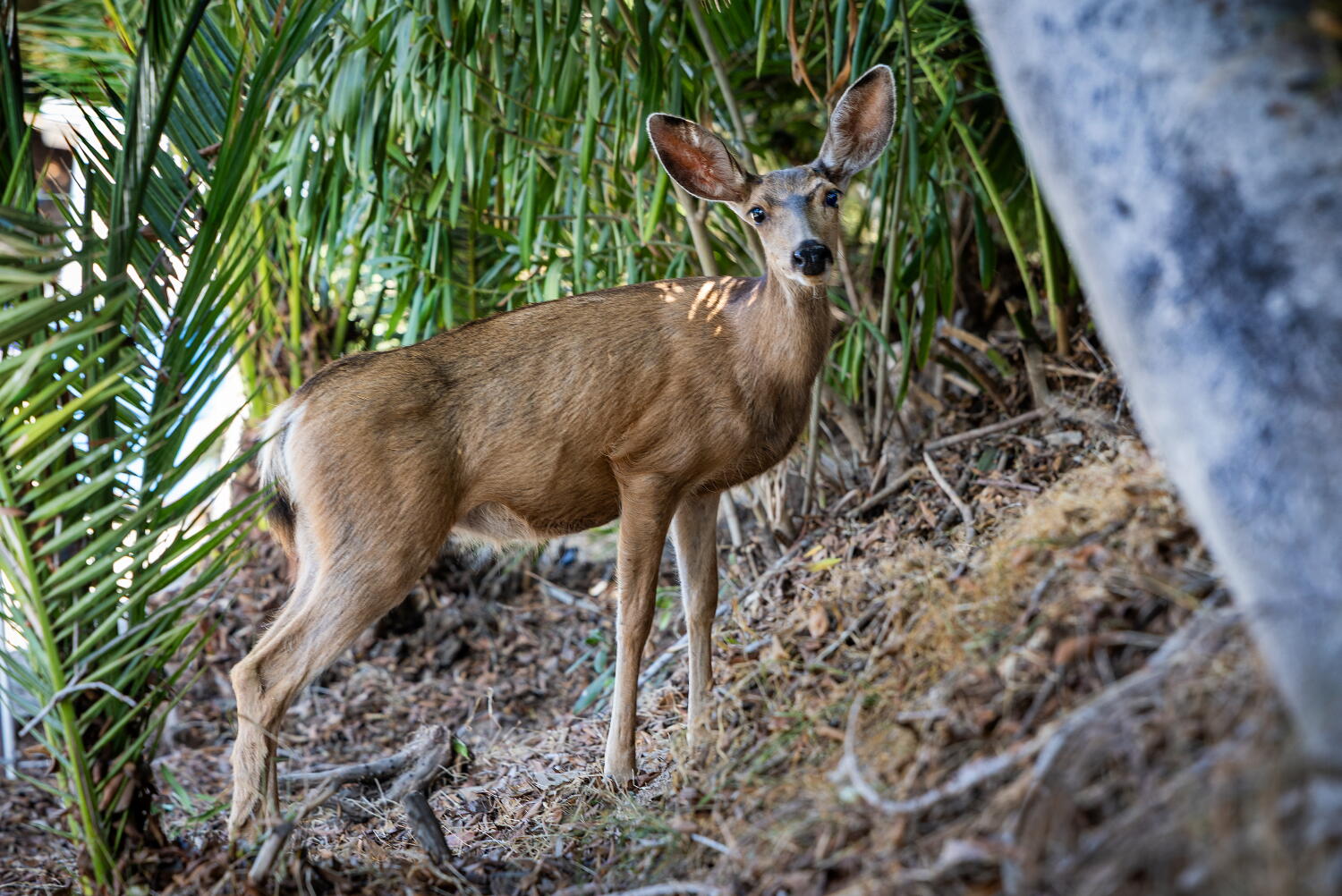
The internet loves a cute animal story. Give the public a herd of Bambis roaming an island paradise, toss in a faceless conservation group cast as the villain, and watch the outrage machine print digital currency. Thirty thousand people signed petitions. Politicians waail about lost heritage. Humane societies clutch their pearls over the fate of Catalina's mule deer.
Everyone misses the actual crisis.
The lazy consensus dominating the debate is that wildlife management is a popularity contest. If an animal has big brown eyes and poses nicely for tourists in Avalon, people assume it belongs there. This sentiment-driven conservation is destroying ecosystems worldwide, and Catalina Island is ground zero for this mass delusion.
The Ecological Reality Check
Mule deer are not native to Catalina. Twenty-two individuals were dropped onto the island in the late 1920s by human whim, entirely divorced from evolutionary checks and balances. With zero apex predators and an environment unadapted to heavy browsing, they multiplied.
For decades, armchair conservationists have argued that hunting quotas, contraception like PZP, or translocation can manage the population. These ideas sound compassionate on paper. In practice, they are ecological failures. Translocation is a logistical nightmare with a staggering mortality rate during capture and transport. Immunocontraception requires recapturing or darting thousands of animals across nearly 48,000 rugged, inaccessible acres year after year—an impossible financial and physical task.
Left unchecked, these deer strip the landscape bare. They consume endemic plants down to the root, preventing regeneration and turning complex chaparral into barren dust bowls. When native vegetation dies off, highly flammable invasive grasses take its place.
The Fire Paradox
Opponents of the eradication plan claim that removing the deer increases wildfire risk. This argument stands basic ecology on its head.
Imagine a scenario where a carpet of dry, invasive thatch replaces a multi-tiered native shrubland. That is what unmanaged herbivores create. By eating every single native tree and shrub seedling, deer eliminate the vegetation that retains soil moisture and creates resilient canopies. They clear the way for fine fuels that ignite easily and carry fire fast.
Blaming the Catalina Island Conservancy for trying to hit the reset button ignores the decades of failed half-measures that got us here. I have seen organizations spend millions on compromised management strategies just to appease local sentiment, only to watch the ecosystem collapse entirely beneath their feet. Soft-hearted management is hard-hearted destruction.
The Cost of Inaction
Critics demand absolute transparency, public reviews, and endless delays while the island's unique biological heritage slips away. Every month spent arguing in courtrooms is another month where endangered endemic species lose their last footing against an overpopulated, non-native ungulate.
The state Department of Fish and Wildlife evaluated the data, backed the science, and authorized total removal because history demonstrates that partial measures do not work on island ecosystems. Island biology is merciless. You either protect the whole system, or you watch the whole system burn.
Stop weaponizing sentiment against science. Stop pretending a century-old introduction constitutes an irreplaceable native treasure.
The deer have to go.
Catalina just got the green light to eradicate their deer population
This news clip breaks down the recent legal developments allowing the island's restoration plan to finally move forward.