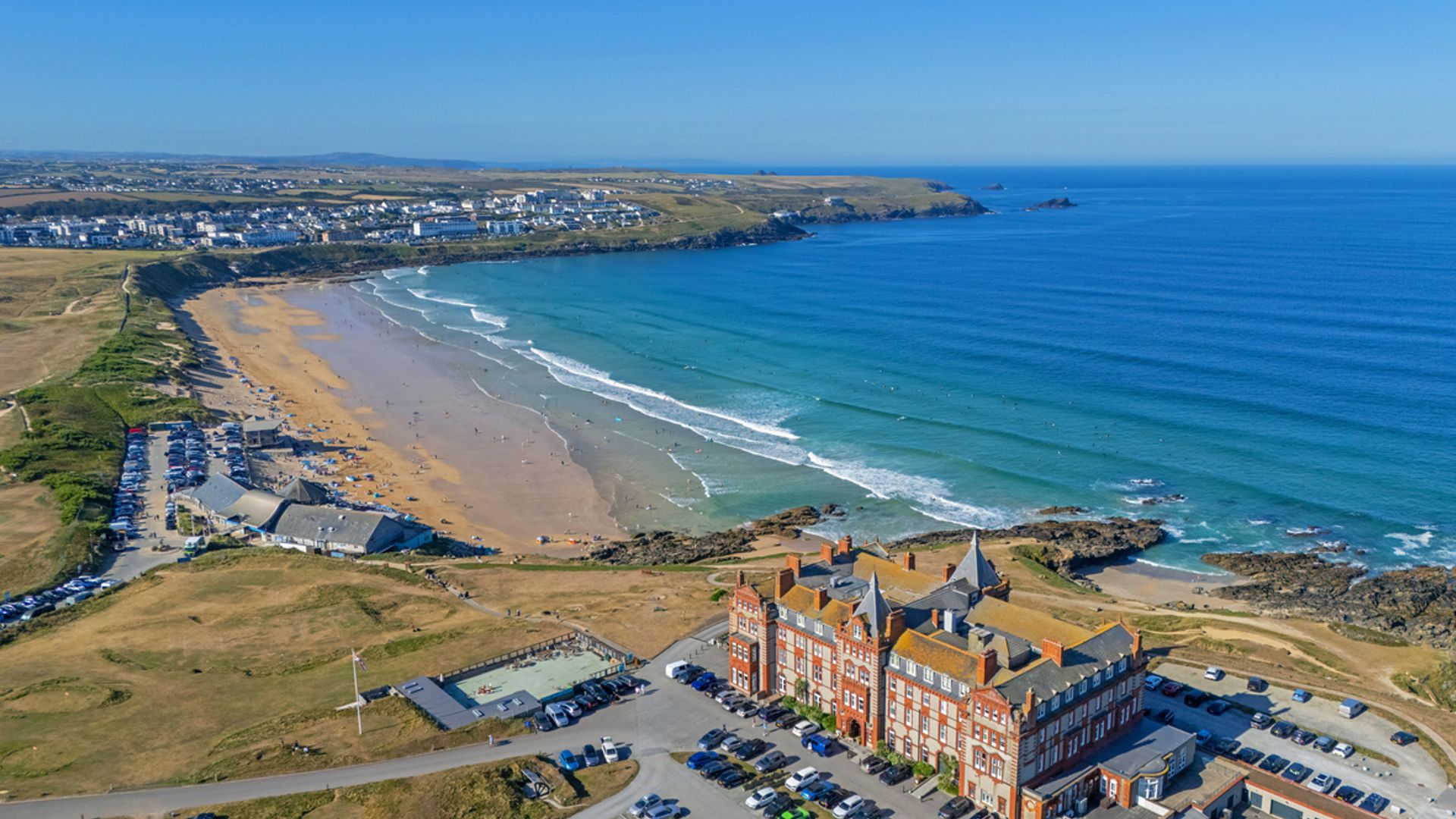
Coastal drowning incidents frequently present a stark disconnect between standard public perception and environmental reality. When a man and a woman were recovered from the water at Fistral Beach in Newquay, Cornwall, at approximately 9:45 PM on Sunday, July 26, public discourse immediately defaulted to generalized expressions of tragedy. Yet an operational examination of the event reveals critical structural vulnerabilities in temporal risk management, emergency response logistics, and environmental hazard assessment. Deconstructing the mechanics of this incident requires moving past observational reporting to examine the precise variables governing coastal survival probability.
The Temporal Risk Mismatch
The core failure mode in late-evening aquatic incidents is the temporal divergence between high environmental hazard and zero active mitigation infrastructure. Fistral Beach operates standard Royal National Lifeboat Institution lifeguard patrols restricted to daytime hours, typically concluding at 6:00 PM during the summer season.
- The Protection Gap: The incident occurred at roughly 9:45 PM, more than three hours after active lifeguard surveillance ended.
- Behavioral Lag: Recreational beach usage frequently extends past operational supervision windows due to extended daylight hours, creating an unprotected risk window.
- Response Latency: Emergency services including the Coastguard, RNLI lifeboats, rescue helicopters, and land ambulances faced a deployment delay inherent to off-hours dispatch, recording initial alerts near 9:30 PM to 9:45 PM.
This mismatch establishes a dangerous asymmetry: while environmental hazards such as rip currents, tidal surges, and water temperature persist independently of human administrative schedules, human safety architecture scales down to zero outside daylight operational hours.
The Physiological Cost Function of Cold Water Immersion
Understanding why swift rescues often fail to prevent fatalities requires analyzing the human body's immediate response to open-water immersion. Even during summer months, coastal waters around the United Kingdom induce rapid physiological deterioration.
- Cold Shock Response: Uncontrolled hyperventilation occurs within the first seconds to minutes of immersion, drastically increasing the probability of water aspiration.
- Functional Incapacitation: Within 5 to 15 minutes, progressive cooling of peripheral musculature reduces swimming efficacy, turning a competent swimmer into a non-swimmer as power output drops.
- Circumrescue Collapse: Cardiovascular failure can occur during or immediately after rescue due to sudden alterations in hydrostatic pressure and blood pooling.
Without immediate on-site intervention, these three physiological thresholds compress the survival window to a fraction of the time required for multi-agency emergency responses to mobilize, transit, and execute extractions in dynamic marine conditions.
Environmental Variables and Hydrodynamic Traps
Fistral Beach is internationally recognized as a premier surfing location precisely because of its exposure to Atlantic swells and complex bottom topography. These same geomorphological characteristics generate severe hydrodynamic hazards.
- Rip Current Generation: High-energy wave action interacting with sandbars creates concentrated seaward water channels capable of outpacing an Olympic swimmer's maximum velocity.
- Low Visibility Thresholds: Evening light conditions severely impair surface scanning, preventing visual confirmation of individuals in distress either from the shore or from airborne assets.
- Thermal Drain: Wind speeds and ambient air temperature drops after sunset compound heat loss for anyone wet or partially submerged.
When these factors combine, physical exhaustion accelerates exponentially. The absence of daylight eliminates the primary visual feedback loop that allows bystanders or distant observers to detect erratic movement or directional distress in the surf zone.
Strategic Operational Realignments
Mitigating recurrent fatalities at high-density coastal tourist hubs requires a shift from reactive emergency dispatch models to predictive prevention frameworks.
- Extended Infrastructure Timing: High-risk summer periods featuring festivals or peak holiday volumes necessitate dynamic adjustment of lifeguard coverage windows to match actual human presence rather than arbitrary clock times.
- Automated Hazard Signage: Static warning boards are insufficient; dynamic, illuminated hazard indicators detailing active rip current risks and exact sunset hazard windows must be deployed at primary access points.
- Public Knowledge Optimization: Survival optimization relies on widespread instinctive adoption of self-rescue protocols, specifically horizontal swimming out of current channels paired with the "float to live" posture designed to conserve metabolic energy until extraction assets arrive.
Coastal safety policy must treat temporal gaps in supervision not as administrative boundaries, but as quantified high-risk zones requiring targeted technological or physical barriers.