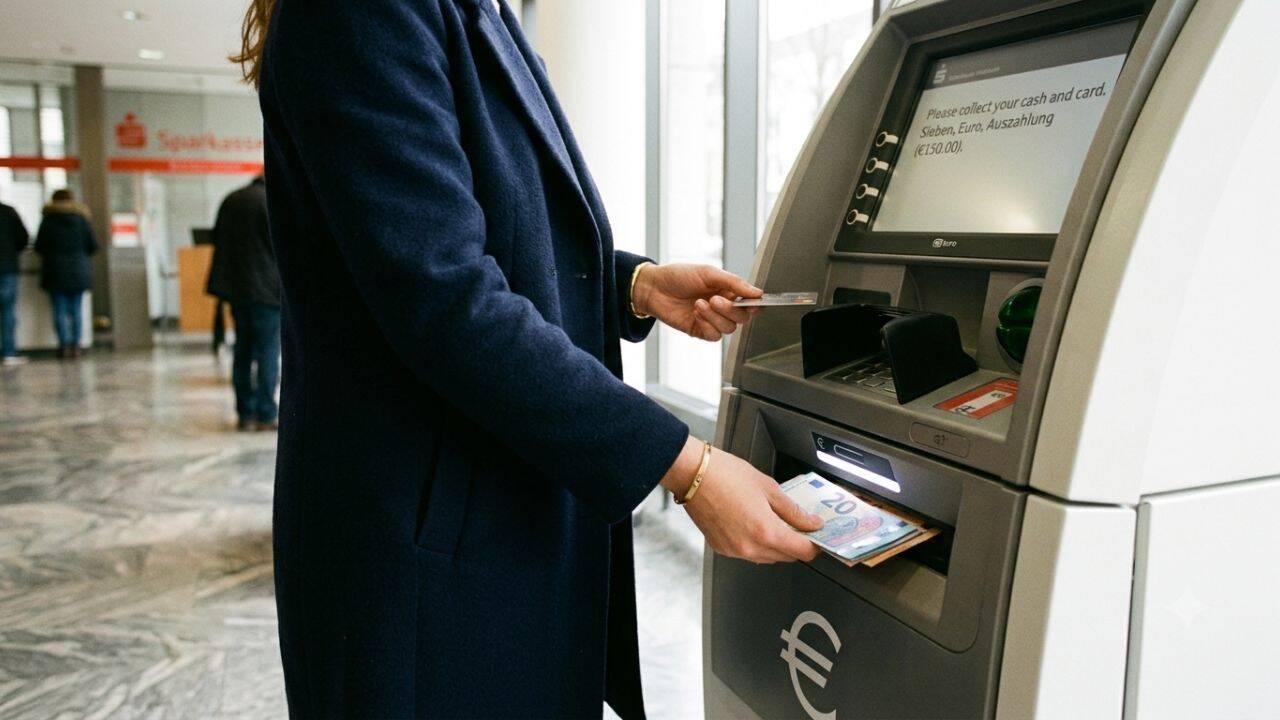
You tap your phone to buy a croissant. You split a cab with a smartwatch swipe. Everywhere you look, physical money feels like a relic of the past. Yet, European vaults are stuffed to the brim with physical bills.
The numbers are staggering. According to European Central Bank data, the total value of euro banknotes in circulation climbed from roughly one trillion euros in 2016 to a massive 1.6 trillion euros. We are carrying around more than 31 billion individual notes.
Economists call this the banknote paradox. People use physical money less frequently for daily purchases, yet the total volume of cash kept in reserve keeps climbing. Why are millions of tech-savvy Europeans quietly hoarding paper money while digital apps dominate the high street?
The Fear Factor Driving the Emergency Cash Surge
Digital convenience comes with a terrifying single point of failure: electricity and internet dependency. When the grid goes down, your phone is just an expensive piece of glass.
Recent years changed how ordinary people view stability. European governments and civil protection agencies began advising households to maintain a 72-hour emergency kit. This guidance includes bottled water, long-life food, a battery-powered radio, and physical cash.
Anxiety isn't coming from abstract economic theories. Real-world events drive these habits. Wildfires tearing through southern forests, severe storms causing regional blackouts, and the constant threat of sophisticated cyber-attacks targeting banking infrastructure make people nervous. If a major server outage cuts off card transactions for a weekend, you cannot buy groceries with good intentions. You need paper.
How Much Emergency Cash Do You Actually Need?
Governments across the continent stopped beating around the bush. Several nations now issue specific guidelines on household cash reserves.
Countries like Germany, Austria, Finland, Sweden, and the Netherlands suggest keeping between 70 and 100 euros per household tucked away at home. This isn't wealth-building strategy. It is a practical cushion designed strictly to cover essential survival items—bread, water, basic medicine—for three days if digital networks collapse.
The problem is that treating cash purely as an emergency backup creates a dangerous feedback loop. Experts warn that if people completely abandon physical money during normal times, local businesses will stop accepting it. If local shops phase out cash handling equipment entirely, your emergency stash becomes useless when an actual crisis hits.
The Hidden Value of Physical Money
Beyond disaster prep, cash serves functions that Silicon Valley payment apps refuse to acknowledge. Privacy remains a massive driver for ordinary citizens who prefer transactions that don't feed data broker profiles.
Cash also protects vulnerable populations. Elderly citizens who struggle with biometric banking apps, children learning basic budgeting principles, and victims of domestic abuse who rely on untraceable funds all depend on the survival of physical currency. Financial inclusion relies on keeping physical notes alive on the high street.
The European Central Bank pushes back against commercial banks trying to completely eliminate ATMs and branch networks. Lawmakers are drafting rules to guarantee that cash machines remain accessible on every major European street.
What You Should Do Right Now
Stop treating your wallet as an all-digital zone just because it feels modern. Walk to an ATM this week and withdraw a modest emergency envelope. Keep a small stash of lower denomination notes—like 20 and 50 euro bills—hidden safely at home alongside your bottled water and canned goods. Rotate or check the stash once a year, and make a point to spend physical cash at a local bakery or market stall occasionally to keep the ecosystem breathing.