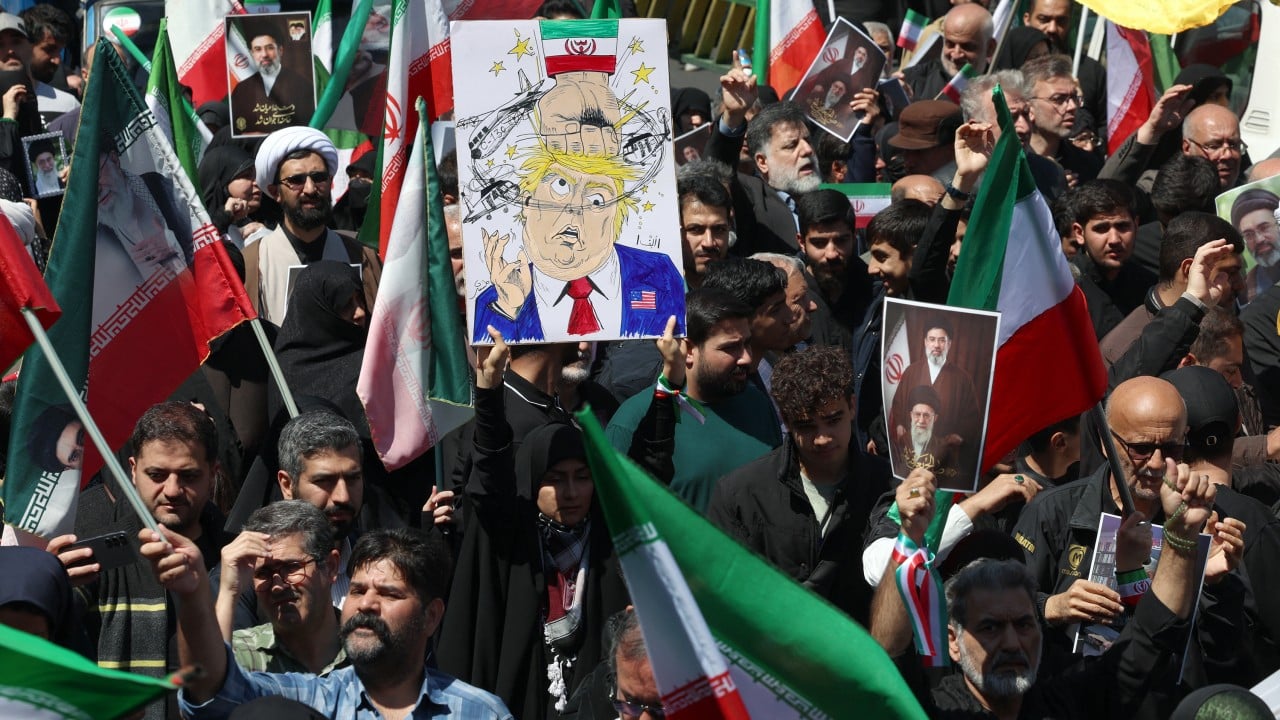
Six months after American and Israeli jets launched the opening salvos of Operation Epic Fury, the White House has settled into a dangerous delusion. President Donald Trump insists he is "not in a hurry" to resolve the conflict, maintaining that a battered Iranian regime is on the verge of total collapse. This rhetoric ignores the structural reality on the ground. What was pitched to the American public as a swift, surgical excursion has curdled into a grinding strategic stalemate.
The original premise of the joint U.S.-Israeli campaign relied on a flawed hypothesis. The architects of the war believed that decapitation strikes—notably the killing of Supreme Leader Ali Khamenei—combined with an aggressive naval blockade would shatter the clerical apparatus from within. Instead, the Iranian state absorbed the blow, adapted its supply networks, and weaponized its geographic chokehold on the Strait of Hormuz. The administration's pivot toward intensified economic warfare, branded as "Operation Economic Outcast", is not a sign of evolving strength. It is an admission that conventional military options have plateaued while munitions stockpiles dwindle.
The Myth of the Asphyxiation Strategy
Washington's current calculation banks entirely on absolute economic isolation. By threatening secondary sanctions against any global entity—including Chinese financial institutions—that dares to touch Iranian commerce, the Treasury Department hopes to starve Tehran of hard currency.
This strategy suffers from a fatal oversight: historical familiarity. The Iranian apparatus has spent decades perfecting the art of sanctions evasion. Informal shipping networks, shadow tanker fleets, and discounted oil sales to localized buyers have kept the regime breathing.
"This administration has completely underestimated the Iranian resolve," notes regional risk analyst Meera Krishnan. "This is not new to the Iranian regime."
To assume that an economy already crippled by years of domestic inflation will magically implode under another layer of American decrees displays a profound misunderstanding of authoritarian resilience. The state security apparatus eats first. When resources contract, the regime tightens internal control rather than capitulating to foreign pressure.
The Cost of Strategic Drift
The human and financial toll of these six months continues to mount without a clear diplomatic off-ramp. Direct costs to the United States have already eclipsed $37.5 billion, while broader regional expenditures and market disruptions ripple outward. Oil markets remain jittery, and freedom of navigation through the Persian Gulf is severely compromised, despite administration assertions that commercial traffic flows unimpeded.
Furthermore, the prolonged engagement strains broader military readiness. The rapid expenditure of high-end interceptors and precision munitions leaves American forces exposed in other strategic theaters. Trump's political positioning as the commander-in-chief who avoids endless wars now clashes directly with the open-ended nature of this confrontation.
By dismissing the urgency of a diplomatic settlement and walking away from preliminary frameworks negotiated earlier in the year, the White House has trapped itself in a waiting game. Tehran is betting that American political fatigue ahead of critical domestic elections will force Washington's hand.
The administration calls this posture patience. The metrics on the ground suggest paralysis. As the conflict bleeds past its half-year marker, the longer Washington pretends it holds all the cards, the deeper it sinks into a West Asian quagmire with no clean exit in sight.