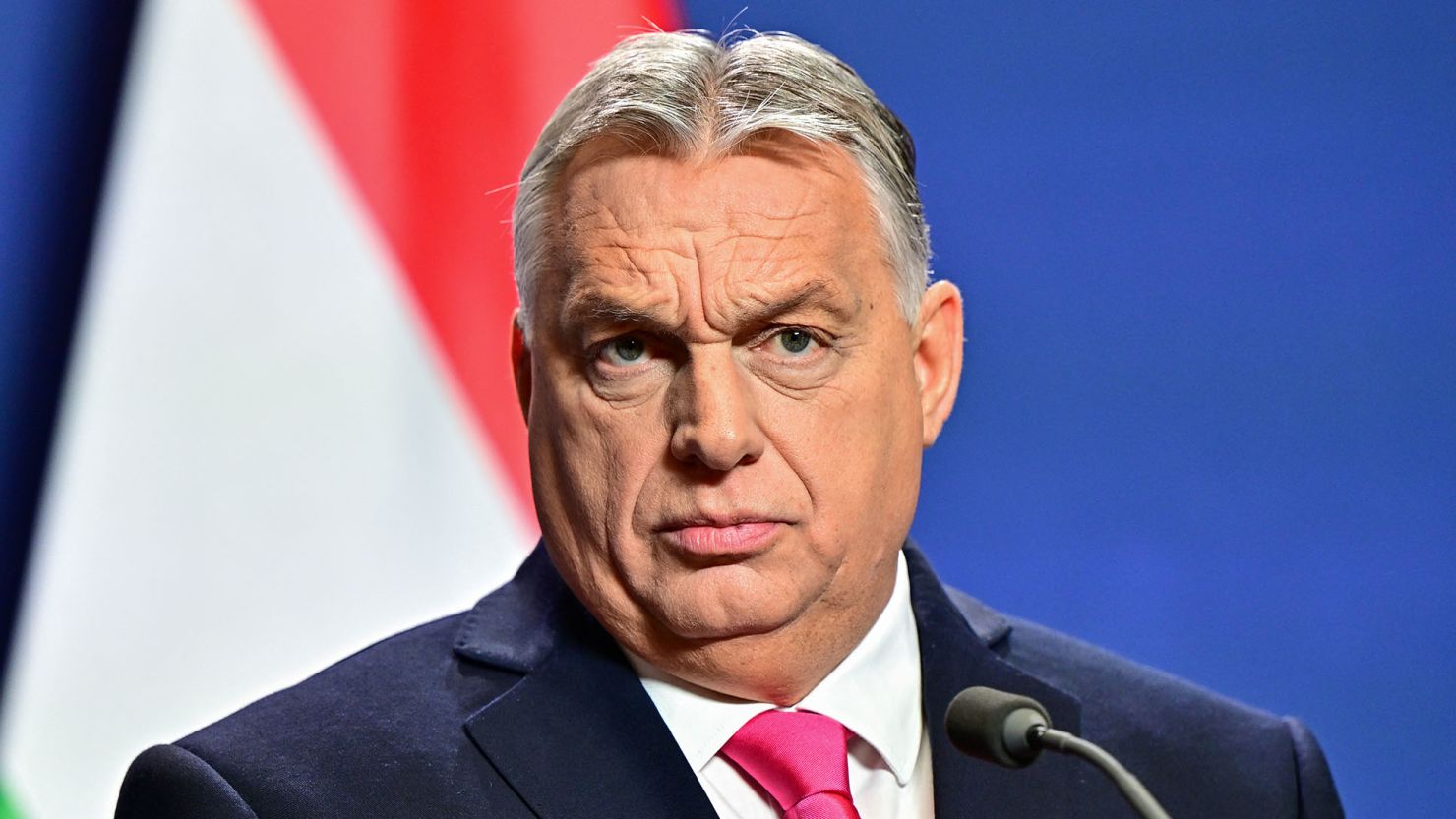
Viktor Orban is finally out. After sixteen years of transforming Hungary into what he proudly termed an "illiberal state," the veteran populist conceded defeat on April 12, 2026, following a landslide victory by the Tisza party. Led by former government insider Péter Magyar, the opposition secured a crushing two-thirds supermajority in parliament. This result does more than just change the leadership in Budapest; it dismantles the blueprint for nationalistic resistance that has inspired far-right movements from Washington to Rome.
The immediate math is staggering. With over 98% of the votes counted, the Tisza party is projected to hold 138 of the 199 seats in the National Assembly. This gives Magyar the constitutional power to systematically undo the legal architecture Orban spent nearly two decades building. For the European Union, the relief is palpable. For the Kremlin, it is a strategic disaster. But for the Hungarian people, the euphoria of the streets is already beginning to collide with the sobering complexity of governing a deeply divided nation.
The Insider Who Broke the Machine
To understand why Orban lost, you have to look at the man who beat him. Péter Magyar was not a product of the traditional liberal opposition that Orban had successfully sidelined for years. He was part of the system. A former Fidesz official and the ex-husband of Orban’s former Justice Minister, Magyar knew exactly where the gears of the state were greased.
When he broke ranks in 2024, he didn't run as a progressive revolutionary. He ran as a disillusioned conservative who still believed in Hungarian sovereignty but could no longer stomach the industrial-scale corruption and the isolation from the West. His campaign was a relentless, grassroots marathon. While Orban relied on a state-controlled media apparatus to broadcast warnings of "war or peace," Magyar was on the ground, delivering up to seven speeches a day in small towns and rural villages—territory Fidesz once considered its private backyard.
The strategy worked because it neutralized Orban’s favorite weapon: fear. For years, the Prime Minister framed every election as an existential struggle against "Brussels bureaucrats" or foreign interference. By the time the 2026 polls opened, that rhetoric had hit a wall of diminishing returns. Younger voters, in particular, were no longer moved by the specter of "Soros-backed" conspiracies. They were moved by decaying healthcare, stagnant wages, and the reality that their country had become a pariah within the very European trade bloc that funded its infrastructure.
A Supermajority with Teeth
The scale of this victory is the "nightmare scenario" for the outgoing Fidesz leadership. In Hungary, a two-thirds majority is the "God mode" of governance. Orban used it to rewrite the constitution, pack the courts with loyalists, and overhaul election laws to favor his party. Now, that same hammer has been handed to his successor.
Magyar has already pledged to:
- Join the European Public Prosecutor’s Office to investigate the alleged theft of billions in public funds.
- Restore the independence of the judiciary by removing political appointees from high courts.
- Abolish the propaganda machinery of the state media and return it to public service standards.
- Unlock €18 billion in frozen EU funds by meeting the rule-of-law benchmarks Orban ignored for years.
However, having the power to change the law is not the same as having the power to change the culture. Orban’s influence is baked into the civil service, the education system, and the ownership structures of major national industries. There are thousands of "mini-Orbans" sitting in administrative seats who are not going to leave quietly just because the man at the top conceded.
The Geopolitical Earthquake
The tremors from Budapest are being felt most sharply in Moscow. For years, Orban acted as the Kremlin's "Trojan horse" within the European Union and NATO. He blocked aid to Ukraine, diluted sanctions against Russia, and maintained a cozy energy dependence on Gazprom that frustrated his allies.
Magyar’s victory signals a pivot that will likely result in the immediate release of a 90 billion euro loan to Ukraine that Orban had single-handedly stalled. Within hours of the results, Ukrainian President Volodymyr Zelenskyy and European Commission President Ursula von der Leyen were among the first to offer congratulations. The message from Brussels is clear: the era of the "unruly child" is over. Hungary is being welcomed back into the fold, not as a defiant outlier, but as a participating partner.
Yet, those expecting Magyar to be a "Brussels puppet" may be disappointed. His voting record in the European Parliament suggests a man who is still a social conservative. He remains wary of the EU’s migration and asylum pact and has expressed reservations about the timeline for decoupling from Russian energy. He is pro-Europe, but he is not a federalist. He is a nationalist who simply believes that Hungary's national interest is best served by being a leader within the EU rather than an enemy of it.
The Trap of Populist Expectations
There is a danger inherent in a landslide win. Magyar’s base is a fragile coalition of liberal urbanites, disillusioned rural conservatives, and young first-time voters. They are united by their hatred of the old regime, but they are not necessarily united on what the new one should look like.
If Magyar uses his supermajority to centralize power in the name of "restoring democracy," he risks becoming the very thing he fought. The temptation to bypass slow democratic processes to "clean house" is high. Furthermore, the fiscal reality of the country is grim. Orban’s generous pro-family subsidies and price caps on utilities have left the treasury strained. To fix the economy, Magyar may have to implement unpopular austerity measures that could quickly sour his honeymoon period with the electorate.
The 79% voter turnout—the highest since the fall of communism—shows that Hungarians are finally awake. They didn't just vote for a new face; they voted for a functional state. Orban’s concession speech, where he admitted the result was "painful but clear," marked the end of a long, dark chapter in Central European history.
The real work doesn't happen at the ballot box. It happens on Monday morning, when the new administration walks into ministries filled with the ghosts of the old guard and realizes that winning the election was the easy part. Dismantling a 16-year-old autocracy requires more than just a two-thirds majority; it requires the surgical precision of a leader who knows exactly which wires to cut without blowing up the building. Magyar has the tools. Now the world is watching to see if he has the stomach.