The United States is effectively resigning as the guarantor of global energy security in the Persian Gulf. After decades of providing a multi-billion dollar security umbrella for the world's most critical oil chokepoint, Washington is pivoting toward a "user-pays" model of maritime protection. The shift, signaled by the White House’s insistence that the US will now "guide" rather than simply protect international shipping, marks a fundamental breakdown of the post-WWII maritime order. It is no longer enough to be a global trade partner; the US now expects the nations most dependent on the Strait of Hormuz to put their own skin in the game.
For the global economy, this isn't just a change in naval strategy. It is a massive transfer of risk. China, Japan, and South Korea—nations that rely on the Strait for the vast majority of their energy needs—now face a future where the US Navy may no longer clear the path for free.
The Architecture of a Withdrawal
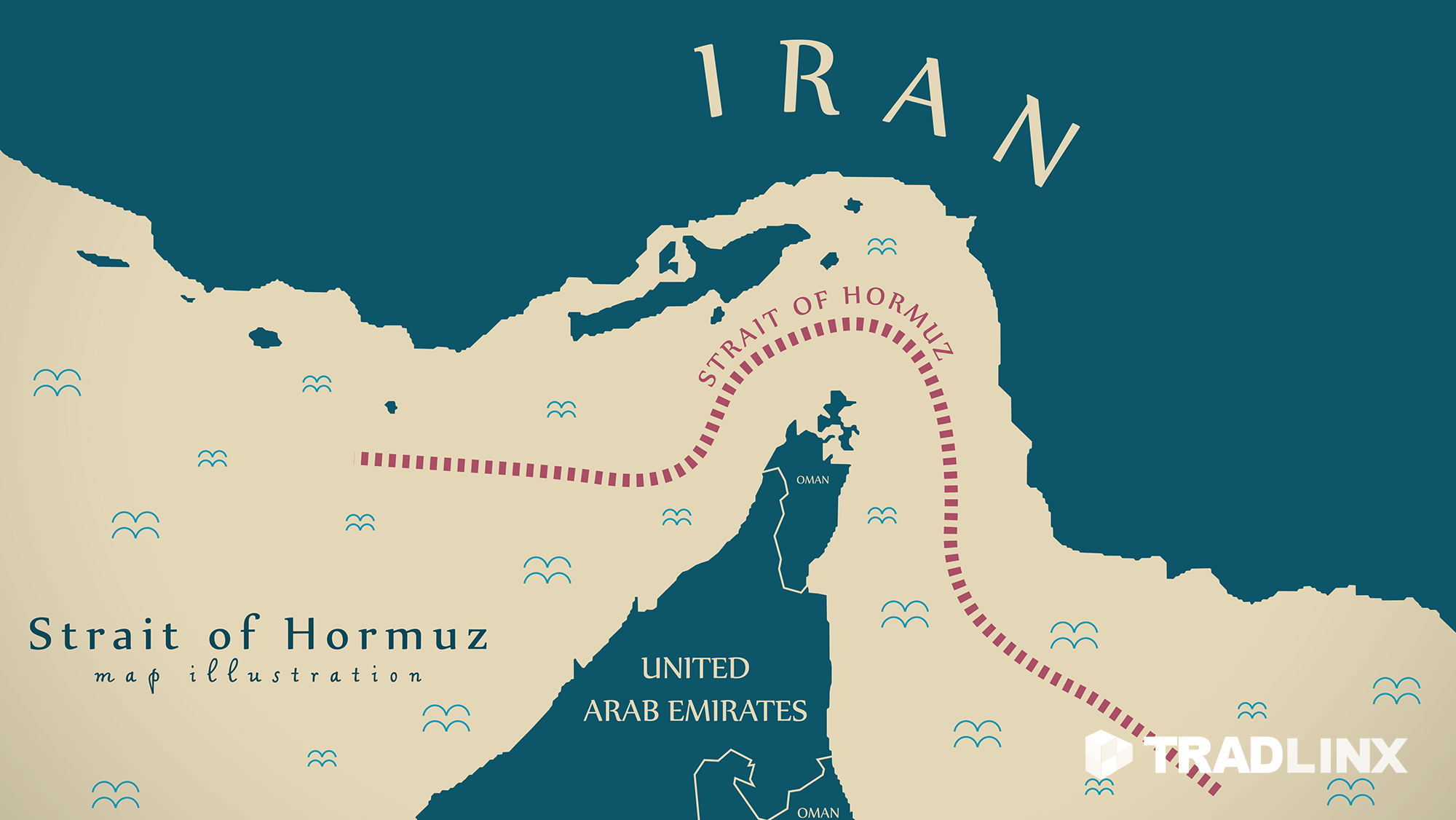
The Strait of Hormuz is a geographic nightmare for logistics. At its narrowest, the shipping lanes are only two miles wide, sandwiched between the Iranian coast and the Musandam Peninsula. Every day, roughly 21 million barrels of oil pass through this needle’s eye. Historically, the US Fifth Fleet has acted as the neighborhood watch, maintaining a presence that deterred Iranian interference and kept insurance premiums manageable for global tankers.
That era is closing. The "guidance" policy is a polite euphemism for a tactical retreat. By shifting from proactive patrolling to a cooperative guidance framework, the US is telling the world that the burden of escorting tankers should fall on the flag states of those vessels. If a tanker is carrying oil to Shanghai, Washington’s new stance suggests that Beijing should be the one providing the destroyer.
This isn't a sudden whim. It is the culmination of a decade of American energy independence. Thanks to the shale revolution, the US is no longer the primary customer of Gulf crude. Washington has realized it is spending billions of tax dollars to protect the energy supply of its primary economic rivals.
The Cost of Sovereignty
The immediate fallout of this policy shift will be felt in the insurance markets. Maritime insurance is built on the assumption of stability. When the US Navy pulls back, even slightly, the "war risk" premiums for tankers skyrocket. We saw this during the "Tanker War" of the 1980s, where shipping costs became a primary driver of global inflation.
The Insurance Trap
Ship owners are now caught in a pincer movement. On one side, they face the physical threat of Iranian limpet mines or drone strikes. On the other, they face a US administration that views traditional security guarantees as an outdated subsidy for foreign powers.
When the US speaks of "guiding" ships, it implies a voluntary coordination. But for a captain of a VLCC (Very Large Crude Carrier) carrying $200 million in cargo, "guidance" is a poor substitute for a carrier strike group. This policy forces shipping companies to make a brutal choice: pay for private security, wait for a national escort that may never come, or sail through the world’s most dangerous waters unprotected and hope the insurance payout covers the loss.
The Regional Power Vacuum
Nature, and geopolitics, abhor a vacuum. As the US recalibrates its presence, regional players are rushing to fill the gap. Iran, sensing a thinning of the American line, has increased its harassment of vessels flying the flags of nations it deems "unfriendly." This is a leverage play. Tehran knows that if the US won't protect the ships, the individual nations—like the UK, Greece, or India—will have to negotiate directly with Iran or find their own ways to project power in the Gulf.
Why the Old Guard is Panicking
The traditional foreign policy establishment in Washington is horrified. They argue that the US presence in the Hormuz isn't just about oil; it’s about the "Freedom of Navigation" principle that allows the global economy to function. If the US stops enforcing this principle in the Gulf, what stops other nations from closing off the South China Sea or the Bab el-Mandeb?
But the new school of thought, currently dominating the White House, views this as a necessary correction. They point to the "Free Rider" problem. For years, the US has provided the security, while China has reaped the economic benefits of cheap, stable energy. By demanding that other nations provide their own escorts, the US is essentially forcing a global military tax on its competitors.
The Chinese Dilemma
Beijing is in a particularly tight spot. China is the world's largest importer of crude oil, much of it coming through Hormuz. For years, China has criticized American "hegemony" while quietly enjoying the safety provided by that very hegemony. Now, the US is calling their bluff. If China wants its oil to arrive safely, it must deploy the People’s Liberation Army Navy (PLAN) thousands of miles from home. This forces China to overextend its naval resources and exposes it to the same regional quagmires that have dogged the US for forty years.
The Logistics of Guidance
What does "guiding" actually look like on the water? It is less about physical escorts and more about intelligence sharing. The US is moving toward a "Sentinel" model—a coalition of the willing. The US provides the satellite data, the overhead surveillance, and the command-and-control infrastructure, while partner nations provide the actual hulls.
Technical Challenges of Escort Missions
Running an escort mission in the Strait is a tactical nightmare.
- Asymmetric Threats: Fast attack craft (FACs) can swarm a tanker in minutes. A destroyer can only be in one place at a time.
- Electronic Warfare: The region is a hotbed for GPS jamming and spoofing, which can lead tankers into territorial waters where they can be "legally" seized.
- Rules of Engagement: If a private security team fires on an Iranian vessel, it triggers an international incident. If a national navy does it, it triggers a war.
The US "guidance" strategy shifts these risks onto the participants. If a British frigate gets into a skirmish while following US "guidance," it is a British problem, not an American one. This layer of insulation is exactly what the current administration desires.
The Economic Aftershocks
We have to look at the math of oil. The price of a barrel isn't just the cost of extraction; it’s the cost of the entire supply chain. If the Strait of Hormuz becomes a "user-pays" zone, every barrel of oil coming out of the Gulf will carry a new "security surcharge."
This will hit the manufacturing hubs of Asia first. Japan and South Korea, with no domestic energy resources, will see their industrial competitiveness eroded. They will be forced to choose between massive increases in defense spending to build a blue-water navy or paying significantly more for their energy.
The Shift to the Atlantic
This policy also serves a domestic American interest: the promotion of the Atlantic energy corridor. By making Middle Eastern oil more expensive and riskier to transport, the US indirectly subsidizes its own energy exports and those of its allies in the Western Hemisphere. It is a protectionist policy dressed up as a naval strategy.
The End of the Global Policeman
The transition from "protecting" to "guiding" is the most honest admission of American fatigue we have seen in decades. It acknowledges that the US can no longer afford—financially or politically—to be the world’s lone security provider.
The Strait of Hormuz is becoming a laboratory for a new, multipolar world. In this world, trade is no longer a right; it is a capability. If you cannot protect your cargo, you may not be able to trade. The "guidance" offered by the US is a bridge to this new reality, but it is a bridge built on the assumption that the rest of the world is ready to pick up the tab. They aren't.
This shift creates a fragmented sea. We are likely to see a "patchwork" security environment where certain tankers—those from nations with strong navies or those who have made backroom deals with regional powers—move freely, while others are targeted as low-hanging fruit. The era of universal maritime safety is over.
The move to guide ships out of Hormuz is the first domino in a global realignment of maritime power. The US has signaled its price for the next chapter of global trade. The only question left is which nations can afford to pay it, and which will be left to navigate the world's most dangerous waters alone. The "Free" in "Free Trade" just became a lot more expensive.
The real danger isn't that the US is leaving; it's the chaos that erupts while the rest of the world tries to decide who's in charge of the gate. Shipping companies should stop looking to the Fifth Fleet for salvation and start looking at their own defense budgets. The guide is leaving the building, and the doors are about to get much heavier.