The sun sets over the Gazimestan monument, casting long, jagged shadows across a land that has forgotten the luxury of boredom. In Pristina, the air smells of roasted coffee and the sharp, metallic tang of uncertainty. It is a scent the people here know too well. It’s the smell of a government held together by duct tape and high hopes, and right now, the tape is peeling.
Kosovo is staring into the mouth of another snap election. Not because the people want it—they are exhausted—but because the math in the parliament building simply won't square. The presidency, a role that should act as the steady heartbeat of the state, sits vacant. Without a president, the clock starts ticking toward a systemic collapse.
Consider a woman named Arta. She is hypothetical, but her frustration is the pulse of the city. She runs a small macchiato bar off Mother Teresa Boulevard. For Arta, a "failure to elect a president" isn't a headline; it’s a direct threat to the permit she needs for her sidewalk seating. It’s the reason the international grants for her brother’s startup are frozen. When the masters of the house can’t agree on who sits at the head of the table, the kitchen stops serving food.
Politics here isn't a hobby. It is survival.
The Cost of the Quorum
The mechanics of this crisis are deceptively simple. To elect a president in Kosovo, you don't just need a majority; you need presence. You need eighty warm bodies in those plush blue chairs. If the opposition decides to stay in the hallway, sipping water and checking their phones, the session dies.
It is a ghost game.
This isn't just about partisan bickering. It’s about the soul of a young democracy trying to prove it can walk without crutches. Every time the ballot box is dragged back out into the streets for a snap election, the price of bread feels a little higher. The investment from abroad feels a little riskier.
The struggle centers on the Vetëvendosje movement and its leader, Albin Kurti. They swept the previous elections with a mandate for change that felt like a tidal wave. But waves, no matter how powerful, eventually hit the rocks. The rock, in this case, is the constitutional requirement for that elusive two-thirds presence. The opposition holds the oxygen supply, and they are starting to squeeze.
A Cycle of Fever and Chills
Imagine trying to build a house while the ground beneath you keeps shifting three feet to the left every six months. You lay the foundation. You frame the walls. Then, the sirens wail, the neighbors start shouting, and you have to tear it all down and start over.
Kosovo has lived in this cycle since it declared independence in 2008. It is a state born of fire, now struggling with the mundane but vital task of administration. The international community looks on with a mixture of pity and exasperation, like a teacher watching a brilliant student fail a test because they forgot to bring a pencil.
The stakes go beyond the border. Serbia is watching. The European Union is watching. The internal deadlock makes the external dialogue—the grueling, decades-long effort to normalize relations with Belgrade—almost impossible. How can you negotiate a peace treaty when you don't know who will be in power by Tuesday?
The Invisible Stakeholders
We often talk about "the parties" or "the coalition," but we rarely talk about the students at the University of Pristina. They are the ones who suffer most from this perpetual state of "almost."
Think about a young law student. Let’s call him Driton. He wants to believe in the institutions he is studying. He wants to believe that the law is a solid thing, a structure that protects and serves. But when he sees the highest office in the land treated like a bargaining chip in a game of poker, the law starts to look like a suggestion.
Driton's generation is the most pro-European population on the continent. They want visas. They want mobility. They want to be part of the global conversation. But every time the government collapses, the doors to Europe feel like they’ve been slammed and double-bolted. The failure to elect a president is a signal to the world that the house isn't ready for guests.
The Anatomy of a Deadlock
Why is it so hard to sit in a chair?
The presidency in Kosovo is meant to be a unifying figure. In reality, it has become a lightning rod. To the ruling party, it is the final piece of the puzzle to enact their radical transparency and anti-corruption agenda. To the opposition, it is the last line of defense against what they perceive as an authoritarian tilt.
Neither side is entirely wrong, which is what makes the situation so volatile.
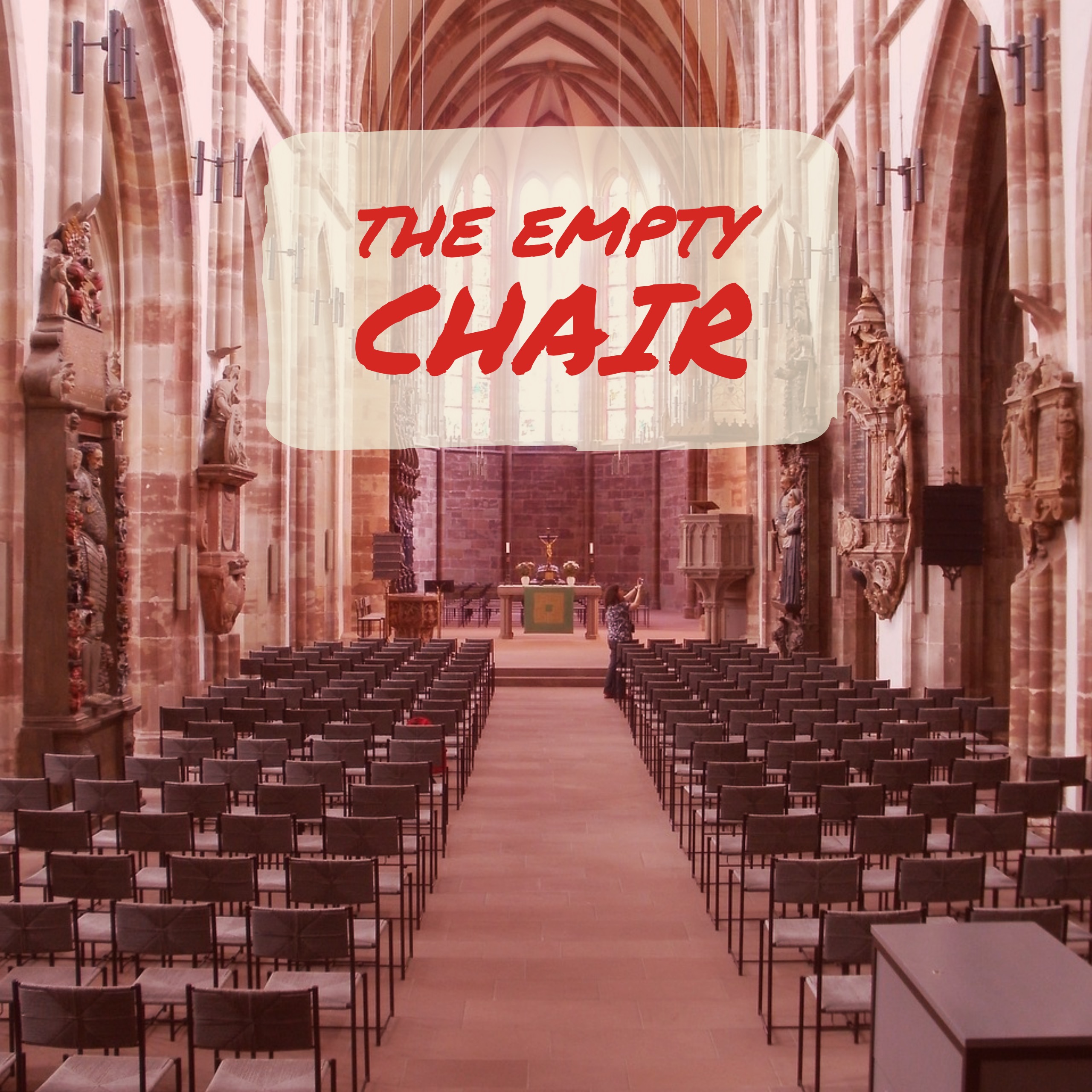
When a session is called, the tension in the room is thick enough to choke on. The cameras zoom in on the empty seats. Each vacant chair represents thousands of voters who are being told their participation was just a dress rehearsal. If the eighty-person threshold isn't met, the constitution is clear: the parliament is dissolved.
The country goes back to the polls. Again.
The logistics are a nightmare. The cost is millions of euros that the country doesn't have to spare. But the emotional cost is higher. It breeds a specific kind of cynicism—a "Vjosa Osmani-sized" hole in the public's trust. Osmani, the acting president and the person the ruling party wants to cement in the role, represents a new guard. But even a new guard needs a key to open the door.
The Silence After the Gavel
There is a specific kind of silence that follows a failed parliamentary session. It’s not the silence of peace; it’s the silence of a held breath.
People return to their homes. They turn on the news. They see the same faces explaining why "the other side" is to blame. They hear the same rhetoric about the "will of the people" being subverted. And then they go to sleep, wondering if the morning will bring a government or just another campaign poster plastered over the old one.
The real tragedy isn't the election itself. Elections are the heartbeat of democracy. The tragedy is the frequency. When the heart beats too fast, for too long, it’s not a sign of life. It’s a sign of a panic attack.
Kosovo is a land of incredible resilience. It has survived wars, ethnic cleansing, and poverty. It will survive this. But survival shouldn't be the only goal. At some point, the people deserve to live in a country where the most exciting thing about the government is its efficiency, not its instability.
As the lights flicker in the parliament building, the question remains. Who will be the one to sit down? Who will be the one to stay in the room when the doors close?
The chairs are waiting. The people are watching. And the clock is almost out of time.
The Macchiato in Arta’s cafe grows cold. She wipes down the counter, looks out at the darkening street, and wonders if she should bother ordering more supplies for next month. In the end, the failure of a presidency isn't about a person in a suit. It’s about a woman with a rag in her hand, waiting for the ground to stop moving.